Our spirit has no boundaries
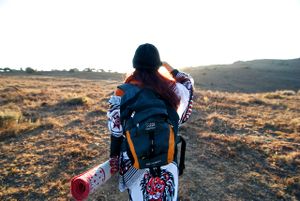
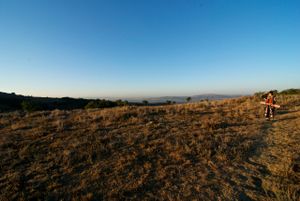
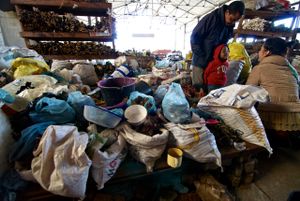
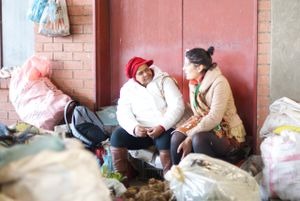
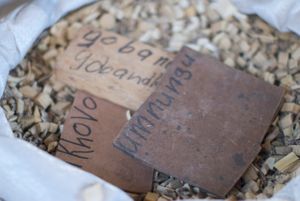
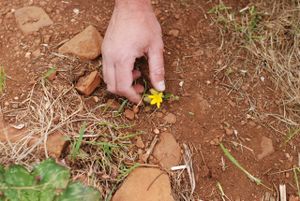
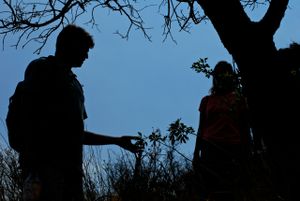
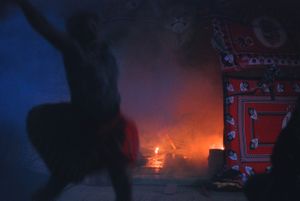
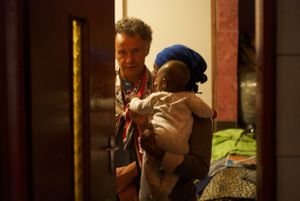
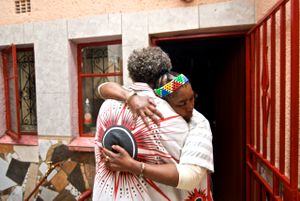
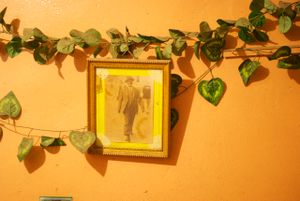
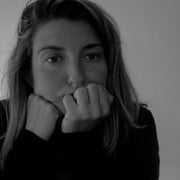
“How has black culture most influenced white people in these twenty years after the end of Apartheid in South Africa?” The answer to this question of mine was: "Through Spirituality”. I found myself drawn to this spirituality. South Africa is a very spiritual land. Over the past two years, I followed an American anthropologist on her research on spirituality and social changes in the post-apartheid era. I was truly fascinated by the connection that South African Traditional Healers have with nature and their use and knowledge of ethnomedicine practices. This knowledge, often passed from one generation to the next, is priceless. Traditional medicine is by no means an alternative practice in South Africa. Rather, it is mainstream with an estimated seventy per cent of the black African population relying on traditional forms of medicine. Traditional healers, also called Sangomas, are legally recognised under the Traditional Health Practitioners Act of 2007 as diviners alongside with herbalists and birth attendants (Act. 22 of 2007). In addition, the formal health sector has shown continued interest in the role of Sangomas and the efficacy of their herbal remedies. During Apartheid, racial segregation infiltrated religious ideas. After1994, there was a sudden enhancement of religious freedom, which introduced new faiths and beliefs to the wider public. In this new free religious panorama, what really interested me is the number of white people who turned to embrace what before was forbidden, traditional African religions, some even becoming Sangomas. Sangomas are African traditional healers, diviners, parapsychologists, teachers, storytellers and priests. A calling to become a Sangoma is regarded as originating from ancestral spirits and described as a powerful, compelling experience. For white people, becoming a Sangoma is still regarded as quite rebellious as it questions the previous racial categories, defying and transgressing the boundaries of proper whiteness. In this series of photos, I tried to document the meetings I had with four white sangomas, two men and two women, and their personal ways of embracing traditional South African medicine. Thank you Marilyn, Michelle, Jean and Tertius for letting me understand your perspective on the world and showing me something more about myself too. bibliography: A.Teppo/ J.F.Sobiecki/ J.Wreford/ R.Schneider
No categories selected
Photos (12)