

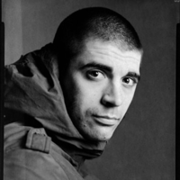
Ukrainian Railroad Ladies
Ukrainian Railroad Ladies is a series of portraits of women who work as traffic controllers and safety officers at railroad crossings in Ukraine. They spend their long shifts in the little houses built along the tracks specifically for them. It’s a series that studies Ukrainian landscapes where the exteriors of the houses play a prominent role. It's looking into the intimate details of the interiors and invites the viewer to meet the Railroad Ladies themselves. This project is also an exploration of why this profession still exists in the 21st century, given the almost full automatization of railroad crossings in Ukraine and around the world. It’s a study of the anthropological and social aspects of this profession and the role and importance of the railroad in general in Ukraine. The country has been consumed by political turmoil: a war in the East and loss of its territory to an aggressive neighbor, never mind the endless corruption and permanently troubled economy. In Ukraine, people pay little attention to the women they see from a train window, standing and most often holding a folded yellow flag (a sign to the train engineer that all is well on the tracks ahead). And although the country and the world are consumed with much larger issues, the people with folded yellow flags play a big, yet silent role in Ukrainian every day life. In the storm, it’s often hard to see the lighthouse. Ukrainian Railroad Ladies are that lighthouse. They are a symbol of certain things in this country that don’t change, standing firm in the present as a defiant nod to the past. They are here, unfazed by the passing of trains and time. And as the trains transform, from rickety, loud beat-up cars to smooth aerodynamic bullets, the Railroad Ladies remain standing. They are the connection between the past and the future of Ukraine. The past that is being glorified by the people who remember the Soviet times of Ukraine as their glory days and despised by the ones who want to disconnect themselves from it and move on to a new, more promising future. And like many controversial symbols, they will be missed and will inevitably become a subject of nostalgia. For now, they are standing strong resilient to or no noticing changes, awaiting the next train.
No categories selected
Photos (24)


