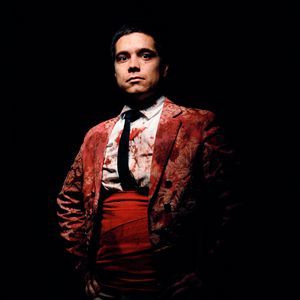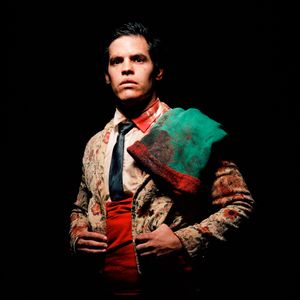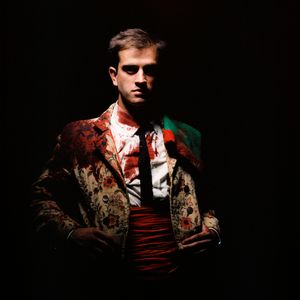
Forcados - The last Gladiators
The origins of the relationship between Man and the bull are lost in history. Upper Paleolithic rock art found in Foz Côa, Portugal (18 000 – 15 000 A.C.) and Lascaux, France (15 000 – 13 000 A.C.) are proof of this, and express the admiration and veneration of Man for the animal. Seen as a symbol of fertility and virility, target of religious cults, the bull has always been understood as a mystical animal, and thus was faced by man as a way to take hold of these qualities. This confrontation manifested itself in the most diverse Mediterranean and Middle Eastern societies, as we can see in the Gilgamesh Epic - Mesopotamia, the 2nd millennium BC - and the myth of Greek antiquity such as the Minotaur and the abduction of Europe. Bullfighting results from these influences. The first reference to a bullfighting activity in Portugal dates from 1258, in the inquiries of D. Afonso III, king of Portugal. However, these bullfighting practices came before the founding of the kingdom of Portugal (1143), and it is impossible to define the date of their origin. The “pega de caras”, performed by a group of men called “Forcados”, is one of the manifestations present in all typical Portuguese bullfighting. The “Forcados” are a group of eight men who after the equestrian fight enter the arena to immobilize the bull, dominating the animal only with the force of arms. Aligned, they are distributed from the first man (Forcado da cara) to the last, the one who holds the tail of the animal. In 2015, the PAN (Party for Animals and Nature, created in 2009) has elected a member for Portuguese Parliament. Since its inception, the PAN has advocated the immediate and total end of bullfighting throughout Portugal, arguing that the right to entertainment should not override respect for the life and physical and psychological integrity of animals. A draft law to this end was taken to vote in 2018 at the Assembly of the Republic, with the PAN being supported by two other parties: the BE and the PEV. Did not pass. But since then, and until today, the subject generates great controversy, dividing the Portuguese population about the continuity or not of this secular practice.
No categories selected
Photos (10)