The Great Experiment
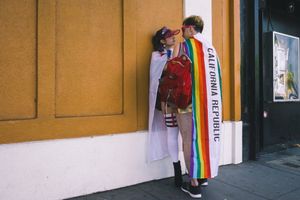
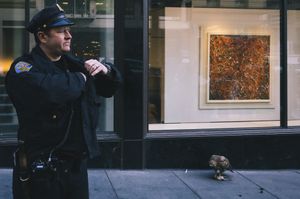
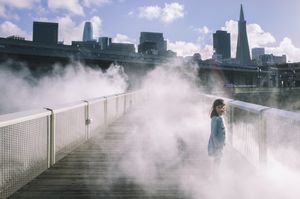
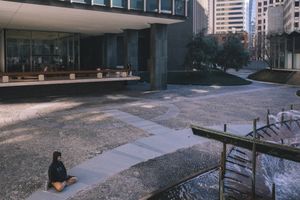
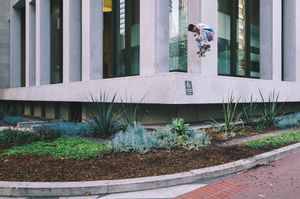
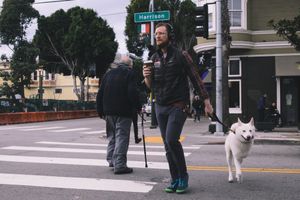
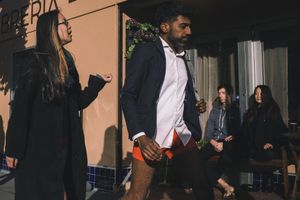
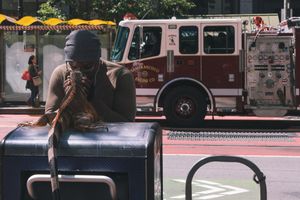
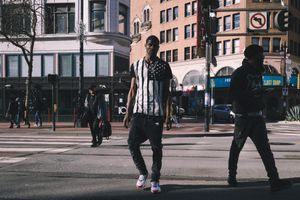
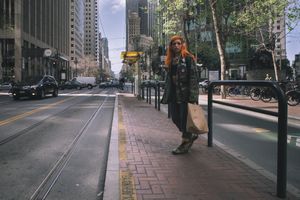
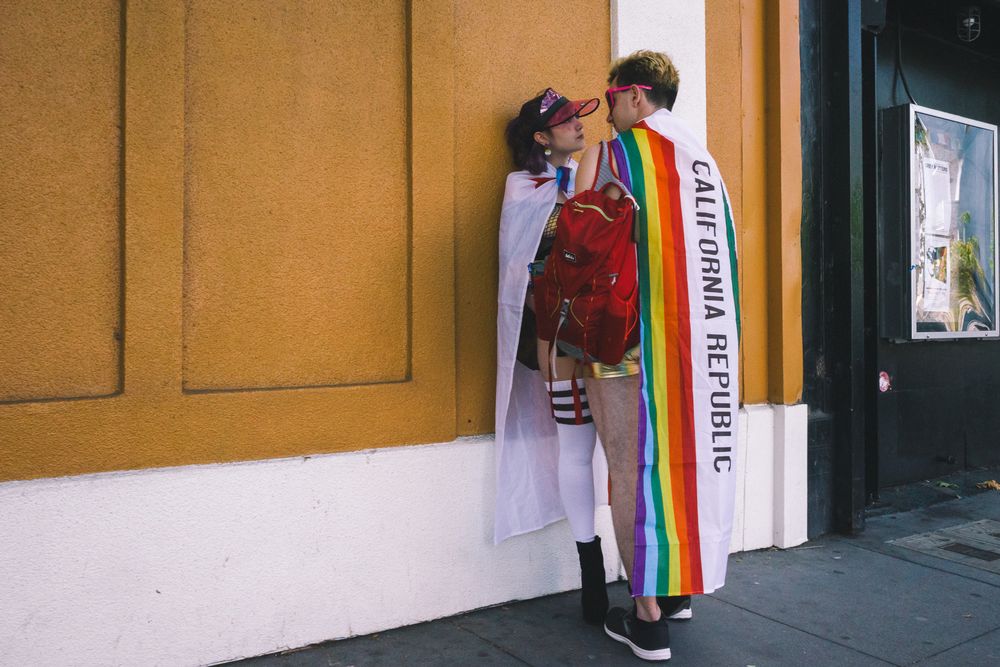
When I was younger, I thought that the San Francisco Bay Area was some sort of great experiment in sociocultural diversity and acceptance. As I've grown older, it's clear that was borne out of ignorance of the other great progressive pockets around the world. The point still remains though that any city that is on the cutting edge of progress and inclusivity, is participating in what I call The Great Experiment. On Wednesday, November 9, 2016, the bubble that I lived in officially burst. I woke up that morning with the realization that the country I thought I lived in was something else entirely. My parents were Vietnamese refugees that were welcomed with open arms into the United States when the country still touted the ‘melting pot’ ideal; where immigrant cultures were absorbed into the multi-ethnic American culture. Even though that idea has since morphed into the more culturally sensitive ‘salad bowl’ concept (where immigrant cultures are preserved and celebrated), multiculturalism always seemed like the promise, future, and goal of the US. If conservatism is the idea that our society would be better off if we revert back to the ideals of decades past, then progressivism can be described as the belief that our collective goal should be to work towards social and economic equality. If the hope that Obama symbolized was a post-racial society, Trump symbolizes the backlash to that. From a street photography perspective, perhaps Henri Cartier-Bresson’s most lasting impact on the genre was the surrealist nature of his images; juxtaposing elements that seem so out of place next to each other that they seem bizarre and dreamlike. It is with these ideas in mind that my submission takes a closer look at San Francisco, the most progressive city in the United States during the past year and half of a federal regime that is not only anti-progress, but also anti-immigrant, anti-gay, anti-intellectual, anti-globalist, anti-environment, anti-truth, and anti-democracy. It is my intention to keep things opaque, however. This is not photojournalism. On the other hand, I rebel against those that think that street photography should only be light and whimsical. And I challenge the notion that street photography should be looked at with “a minimum of theorizing” (Szarkowski). As Susan Sontag wrote, “the highest vocation of photography is to explain man to man.” Or perhaps in the age of personal pronouns, “to explain us to ourselves.”
No categories selected
Photos (10)