
Toys in the attic
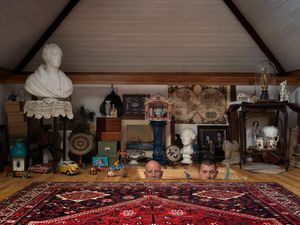
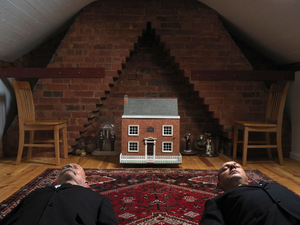
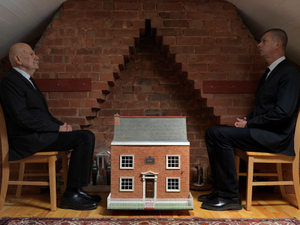
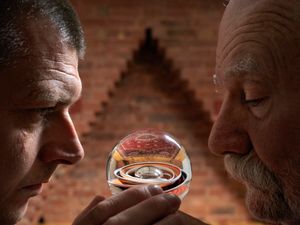
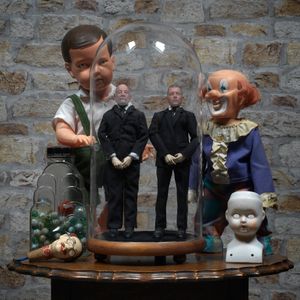
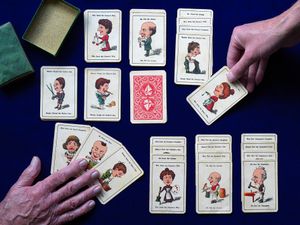
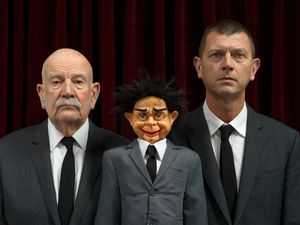
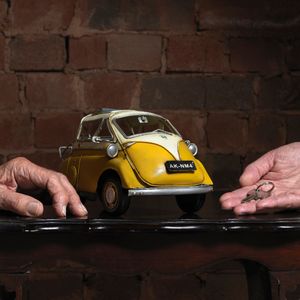
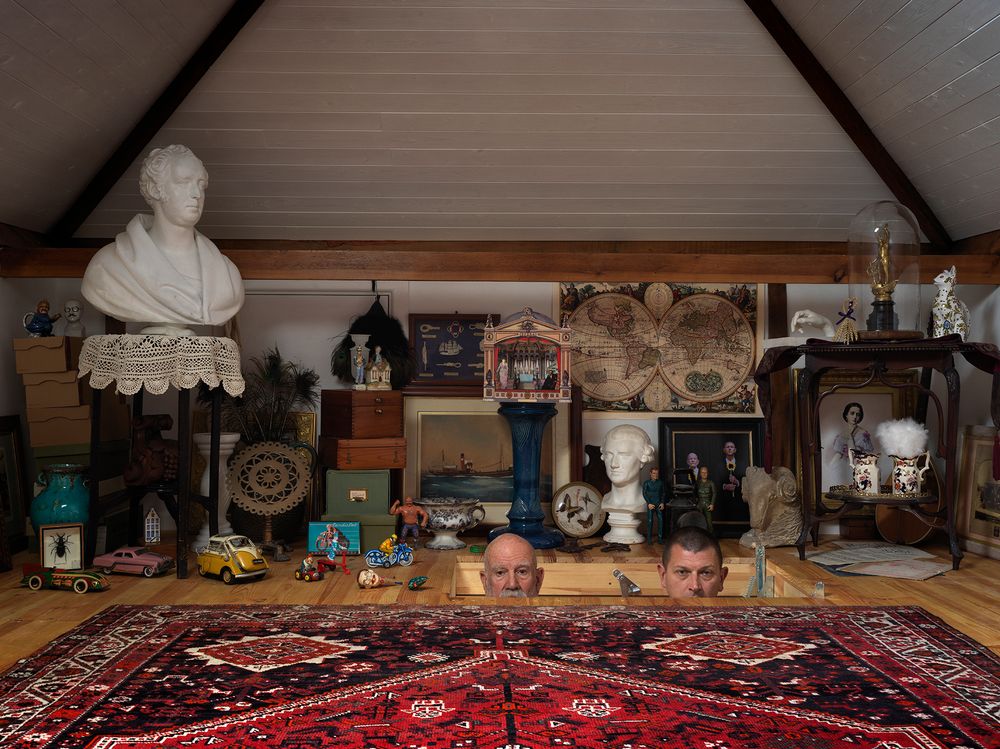
“Oscar, never stand in front of a grandstand, the likes of us belong on the grandstand”.1 ‘Toys in the attic’ takes the loft space as a metaphor for the unconscious and the early socialisation process we encounter in a patriarchal culture. Baudelaire suggested that the child’s capacity to indulge its imagination is evidence of an artistic sensibility “”the toy is the child’s earliest initiation into art, or rather its first concrete example of art; and when maturity intervenes, the most rarefied example will not satisfy his mind with the same enthusiasm, nor the same fervent conviction”2 The desire to withdraw from an adult world of responsibility and all of the rules and regulations imposed on us is perhaps a common feeling. If one feels, in their formative years that they don’t belong, that they are ‘other than’ the social group they are thrown into, then there are few options for survival. One either pretends, as much as one can, to be like everyone else or one tries to explore alternatives. The infant Oscar decides he will not take part and throws himself down the stairs in order to stunt his growth and remain a child indefinitely. Oscar is an unreliable narrator, but his story is one of defiance, of a desire to withdraw from an adult world in a time and a place of horror and political change and with the beat of his drum and the pitch of his voice to create his own brand of mischief and mayhem wherever he goes. As a result, the toys escape the confines of the attic of our mind and go on a grand tour of memory, time and place. 1. Gunther Grass – the Tin Drum 2. The Philosophy of Toys – Charles Baudelaire
No categories selected
Photos (25)