A Woman With Two Names
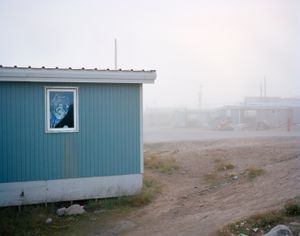
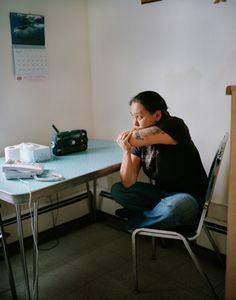
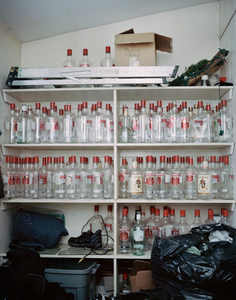
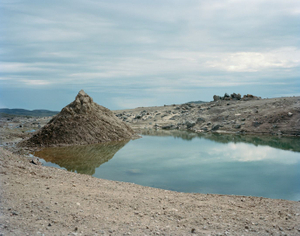
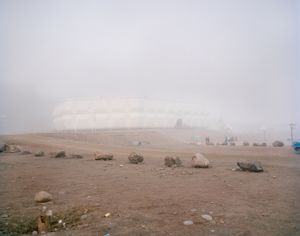
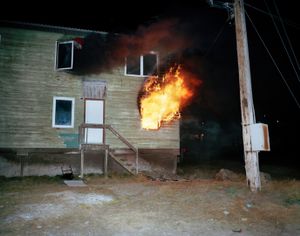
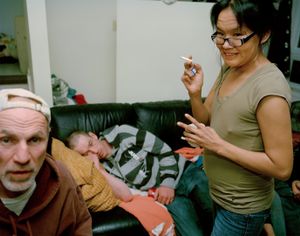
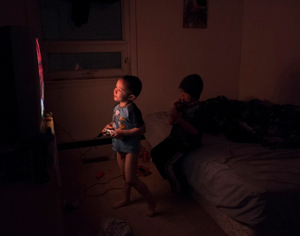
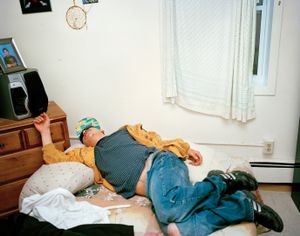
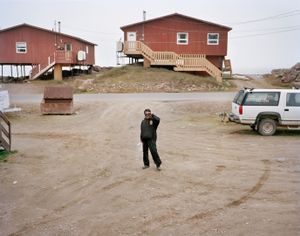
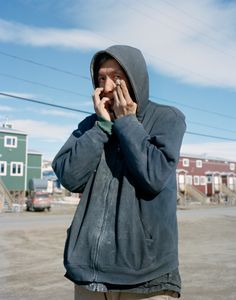
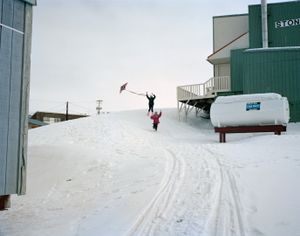
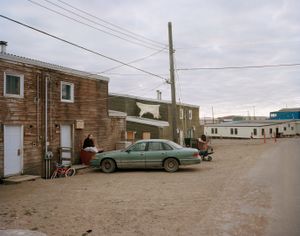
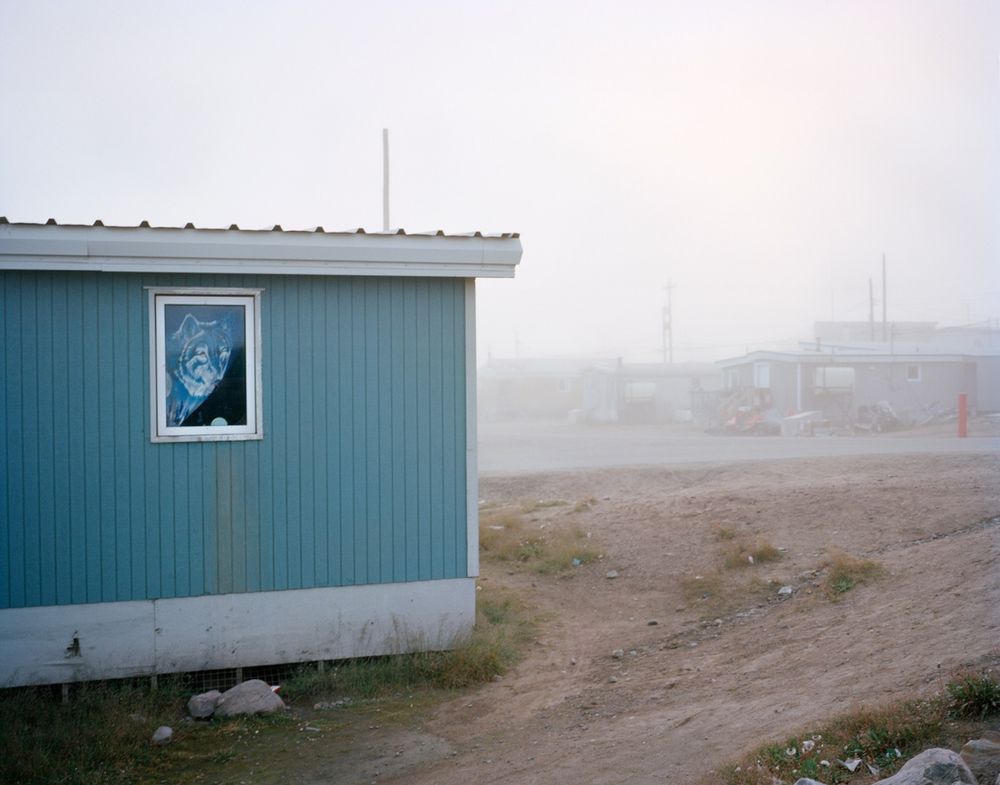
"A Woman With Two Names" is an ongoing project exploring the legacy of colonization in Nunavut, a large region in the Canadian Arctic. At the beginning of the 20th century the Inuit in Nunavut were still nomads, hunting and fishing, living off their land. The Canadian government and the Church began a process of forced assimilation, through permanent settlements and Residential schools. This deprived the Inuit of their social and spiritual customs. The transition away from their nomadic roots to modernized living has led to alcoholism, domestic violence and unemployment; symptoms of a society that is floating between its past and present. The tension between old values and Western Civilization makes it difficult for the Inuit, especially the youth, to assert their own identity and find their place in the world. They are trapped between two worlds, losing touch with their past and headed towards an uncertain future. In the Inuit's ancient tradition, humans are a compound of different layers of souls. The name-soul (atiq) is the one that bounds people together. When a baby is born he usually receives the name of an ancestor or a person recently deceased. This is the atiq, the name, which is believed to be the essence of a soul and therefore is immortal. People can be reborn through others and a person is not only just himself but also the person who previously held their soul-name. I saw people talking about a child as if he was their grandfather or considering a person for who they are named after. The many social ills that afflict the population act like a chain, linking generations as they branch out through families and communities. A Woman With Two Names brings to light relationships that are bound by this cycle of violence, which is self destructive and directed towards loved ones.
No categories selected
Photos (23)