
Daydreamings and White Lies
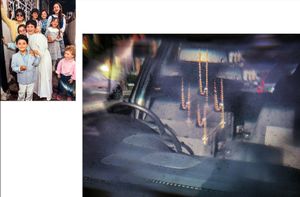
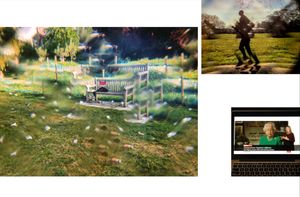
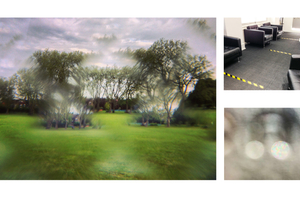
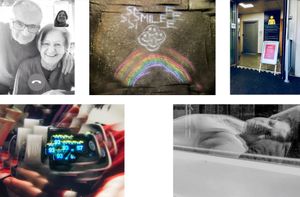
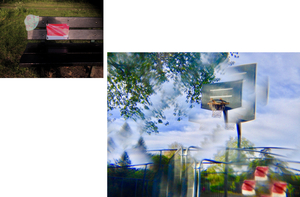
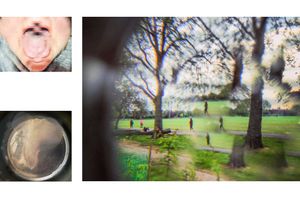
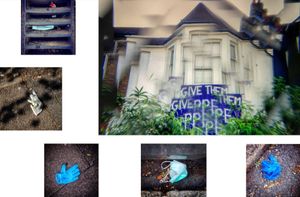
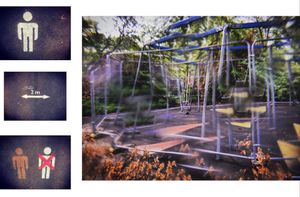
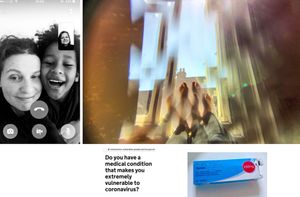
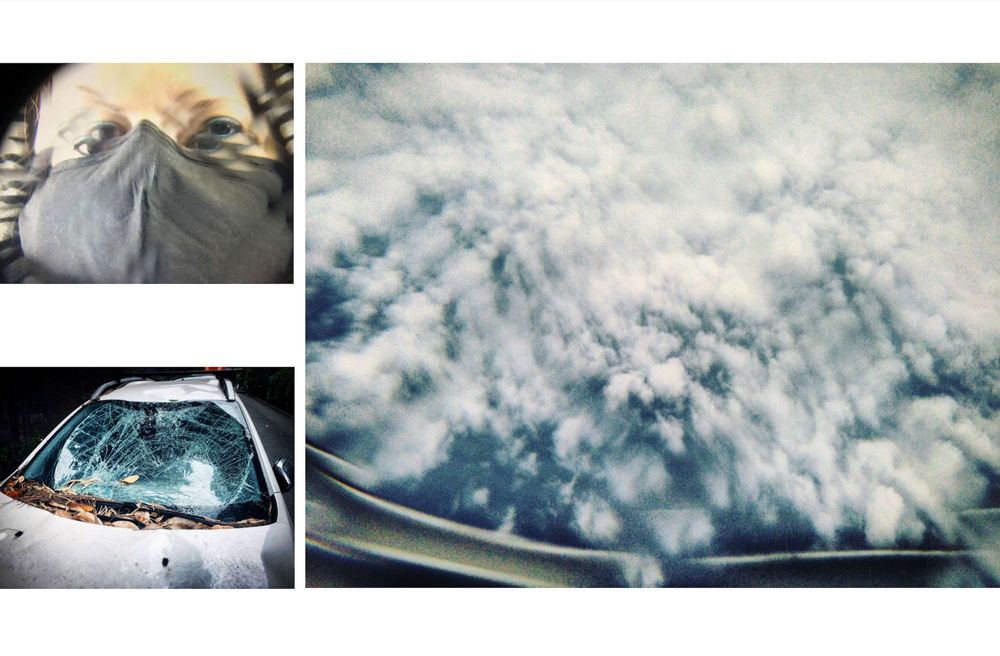
The COVID19 pandemic caught everyone unprepared, showing the limits of decades of widespread predatory liberalism, with its policies of cuts and privatizations of our National Health Service. I moved to London in 2018. As a woman in her forties defined by her chronic conditions (fibromyalgia and MCS, Multiple Chemical Sensitivity, due to aluminium poisoning) for almost five years, I was ecstatic and grateful for living in the UK. The Kingdom, whose national health system and welfare were supposed to be among the best of the world till twenty years ago, was still able to give me the chance to become independent again. Once in London with a permanent job, I was finally allowed to keep both my chronic neurological conditions AND a life. I felt independent again. I was relieved from many daily obstacles due to my “diseases” - neurological hypersensitivities that are still neglected in so many parts of the world. However, the COVID-19 pandemic almost changed everything in only three months. Months in which I became, again, too ill to be considered healthy, but also too invisible and problematic to get any real support. By the end of February, I was deadly worried about my family's destiny in Southern Italy. Since March 9 and the call for a complete lockdown over there, I started video-calling my parents every evening, as I had never wanted to do in my life. I was scared and needed to hear that they were sheltering and safe at home. Meanwhile, my life in London oscillated between the local atmosphere of denial and the impending fate of death and desperation that I saw through foreign news outlets. Numerous governments were already planning their lockdowns while I observed the uniquely paternalistic and measured approach of the UK government. It flushed public money to private finance and ensured the health of the main properties and capitals, before showing any tangible care for general health. The declaration that a herd immunity would protect the market and, consequently, us all, clarified how much in trouble we were. But I was still hopeful while, like everyone affected by severe neurological conditions, I looked forward to the Government's advice for my social category. Nothing came for weeks. And when the support was finally organised, it was not for us. I was invisible again. With a slight fever, widespread pain and an extremely sore throat, I could just have one of my fibro-flares. But I choose to shelter myself, eventually protecting coworkers and flatmates, and started self-isolating on March 17. I was never able to talk to my GP on the phone for one month. Meanwhile, I developed severe breathing problems and ended up calling 111, or going to the emergency, more than three times. Every time I stated that I had Multiple Chemical Sensitivity and that I had taken cortisone to restart breathing and get to the hospital, I met very young nurses with no PPE who confirmed that "I was breathing". They misdiagnosed my reactions as COVID-19, and never tried to examine my tongue and throat. I was never tested for COVID-19 as well. In May, after finally asking for my father's help on the phone(he is a 70 years old doctor), following an antihistamine therapy and going to a private GP, I became just strong enough to take a flight to Italy. I had never had COVID-19. For almost two months, I obstinately hid my respiratory crisis and my fears from the family. The sleepless nights and the fiction of my evening play for them created two parallel narratives of the same story. Nevertheless, those narrations did not just protect my parents from useless worries. They supported me through appalling situations and loneliness: they gave me hope. Keeping the distance from the black hole in which many persons with non-degenerative neurological conditions (advised to shelter if possible, but not helped to do so) found themselves was what saved me. And shooting a visual diary of my experience and the surreal world surrounding me shed a softer light on my fears. These diptychs and collages describe the paradoxical dimension in which I lived during the first months of the pandemic in London. Here I narrate the contrast between the joy of a walk at 6 am in the park in front of my house - my dreamland out of time and space - and the sudden fear of meeting few other human beings. They depict the marvel for an emptied metropolis and the loneliness and helplessness of chronic conditions that no one really understands. But they also represent the daily contradictions of a nation, the will to survive, and the healing power of love and friendship. The mixture of investigative hints on the daily life in a corner of North London during the pandemic and the dreamy atmospheres, shot with makeshift kaleidoscopic mobile lens, is the way I found to describe the those days' surreal atmosphere. On May 12, the Neurological Alliance, a coalition of more than 80 organisations working for the millions of people in England with a neurological condition, have submitted evidence to Women and Equalities Select Committee Inquiry on the Unequal Impact of Coronavirus (Covid-19) on people with protected characteristics under the Equality Act 2010, and to the Health and Care Select Committee Delivering Core NHS and Care Services during the Pandemic and Beyond. They evidenced widespread cancellation of routine outpatient appointments and treatments for people with neurological conditions and concerns around who was in the original ‘shielding’ group. For people with fibromyalgia and MCS the neurological definition of all the symptoms is relatively new. Therefore, many of us were firstly wondering whether we were at risk; then, when chronic neurological conditions were included in the Government's guidelines "only if neurodegenerative" nobody really understood the value of these broad categorizations.
No categories selected
Photos (12)