Ethiopia: On the Road to Change - The Broken Balance
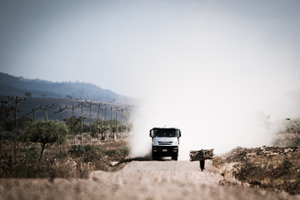
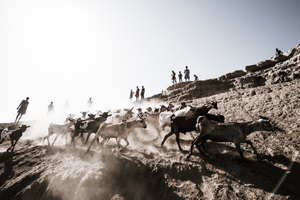
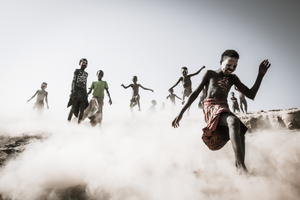
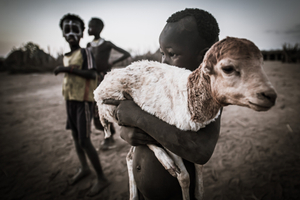
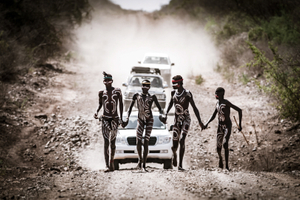
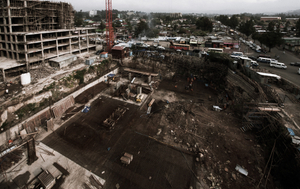
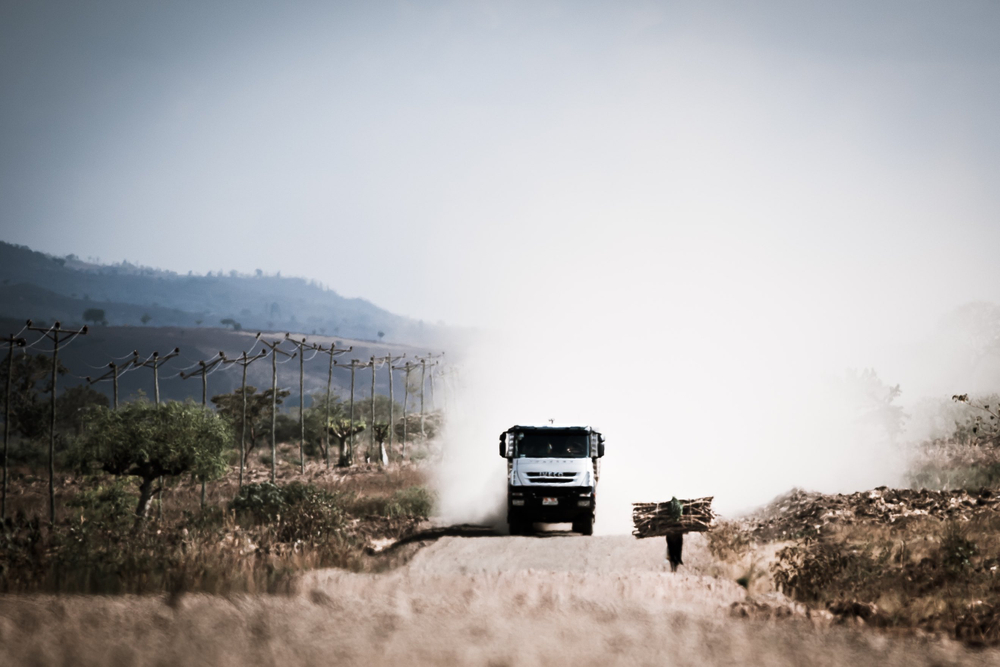
Ten years ago, when I used to live in Kenya and I already took many "anthropological photography" in several African countries, visiting different indigenous people, I went for a photography trip to the Omo Valley in Ethiopia. My goal was to take interesting, original shots of the traditional tribes living in the Omo Valley. I had already been in Ethiopia before, but I never saw, up to 2010, the dramatic, drastic, and sudden change the country was going through. Construction sites everywhere, new roads, both in Addis and in the countryside, and then the big huge dams, which, unfortunately, I could never get close enough to photograph. All that change, all that work was the promise of a new nation, new wealth, new independence, of a new and different future: a future very far from the sadly famous images of the famine that in the '80s shocked the whole world. Yet, change always comes with a cost and the good of some represents the ruin of others. Thus the new identity of a highly centralized nation is strengthened to the detriment of the identities and survival of the vulnerable groups, especially if these groups are minorities, often illiterate and living on the margins of society. In this case, those are the traditional tribes of the Omo Valley, where I was going. There I photographed the Mursi, the Kara, and the Hamer. This reportage is made by ten photos, ten tableaus vivant, each one of them self-standing and self-explicatory and yet very strictly linked to one another. They are organized as different stops, different chapters, different situations witnessed during a very touching and insightful trip. My trip became the documentation of the cultural, social, and economic change the indigenous people are experiencing. Here, I am trying to represent it alternating symbolic images with more pragmatic ones. The final goal of this work, of all ten photos, individually and as a full story-telling photo-reportage, is to show the price paid by the most vulnerable people and the impact that "progress" and the mass tourism that comes with it has on them as much as on the Earth. Giulio D’Ercole
No categories selected
Photos (10)