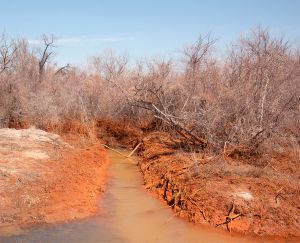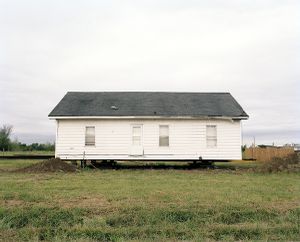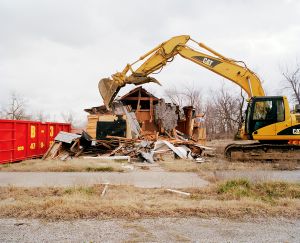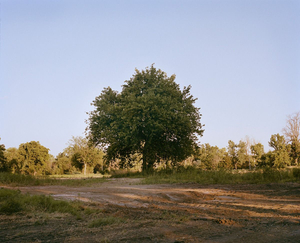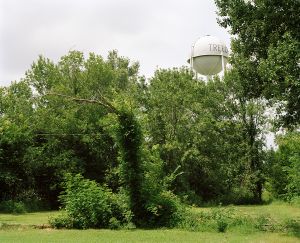
I began photographing in Treece, KS, in 2010, when the residents of this former mining town had just been told that the government would fund a buyout to help them escape from living on unstable land.
Treece was incorporated in 1918 as a home for lead and zinc miners. At its peak, the tri-state mining region produced $20 billon worth of ore. The last mines closed in the '70s, leaving behind a small community of the children and grandchildren of miners. Poor mining practices left the ground unstable and full of sinkholes. Mountains of “chat,” the toxic remnants of the mining, surround the town. According to a 2009 EPA test, 8.8 percent of children in Treece had elevated blood-lead levels, compared to 2.9 percent statewide.
The residents of Treece asked for help. Now, the entire town (which is included in Tar Creek, the largest EPA Superfund site in the United States) is in the final stages of a government-funded relocation program. Over the past few years, Treece’s residents slowly moved away; their homes sold or demolished. The water tower was purchased at auction, the roads were torn up, and the landscape is hardly recognizable. Only one couple elected to remain living in the center of Treece. The vacant land itself was sold in February 2014.
I think we all want to belong to a community. It helps us understand our individual identities. Lead and zinc mining, and the giant mountains of chat that dot the landscape—that was part of who these people were, and are. Now all of the people who have left Treece have a new identity—the people who grew up in a town that no longer exists.