Satka: memory of the place
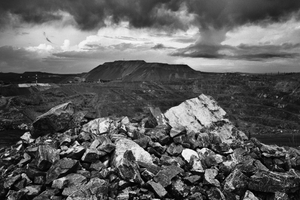
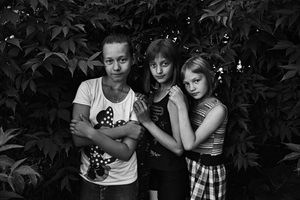
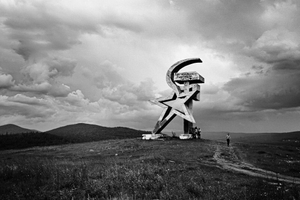
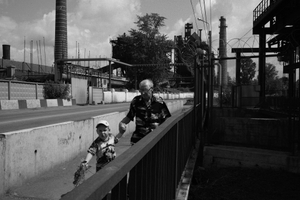
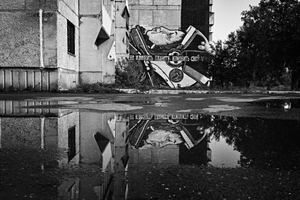
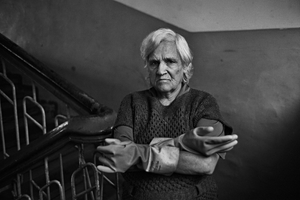
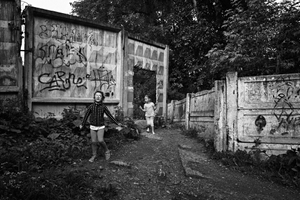
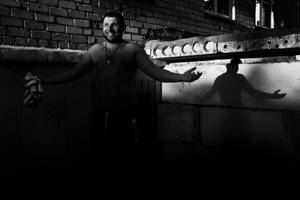
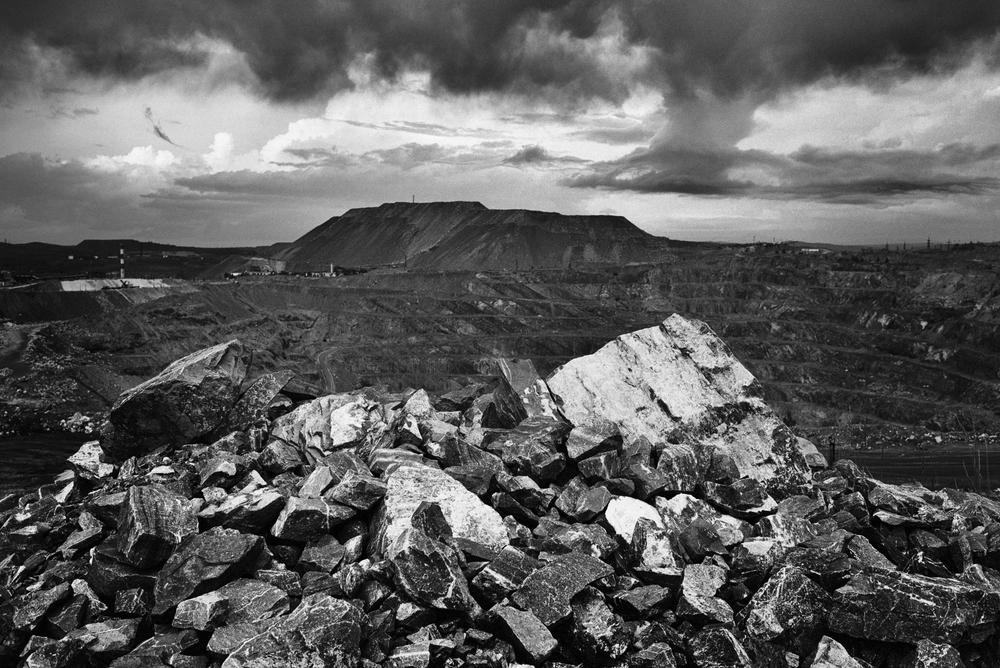
Human memory is made up of three layers: direct memory, short-term memory, and long-term memory. The third of these cannot be reached without going through the first two layers. As a photographer, I often concern myself with what is called “memory of the place” – the idea that a particular location (such as a city, town, village, or even a home) contains information which can stimulate human memory. Ever since it was first invented, photography has been used to portray places and support human memory. The moments and details attached to a place come together to form what could be called a casual portrait. And while photography cannot preserve anything, it can help the memory retain this portrait. The photographs I took in the small town of Satka in the Urals depict casual moments relating to direct and short-term memory. They are the kind of moments which dissolve in time and cease to exist. Satka is a monotown, meaning that its economy is dominated by a single industry – in this case the production of magnesium carbonate for metallurgy. Almost everyone in the town has some connection to the industry. The openness displayed by people on the streets struck me as being from another, long-forgotten time. It seemed as though everybody knew one another. This had the effect of making me feel comfortable on the one hand, and even more of a stranger on the other. As someone from the vast metropolis of Moscow, I had a feeling of travelling to the past, to revisiting my childhood, when children could play alone in the yard and nobody worried about it – a far cry from how big cities are now. “Where are you from, Andrey?” asked a boy in one of Satka’s residential districts. “Moscow,” I replied. “Is Moscow beautiful?” he asked. I was at a loss what to reply. As a photographer, it is my hope that I can help people remember those seemingly inconsequential moments. And while photography cannot give things a second life (nobody can really relive the past), it does provide an incredible means by which to construct the past out of the present. Thanks to photography, the past is no longer something which is gone forever, but something which has been caught in pictures. Andrey Gordasevich
No categories selected
Photos (10)