Shinjuku Electric
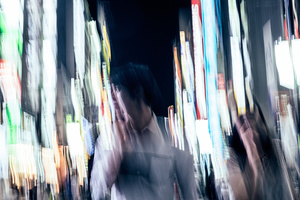
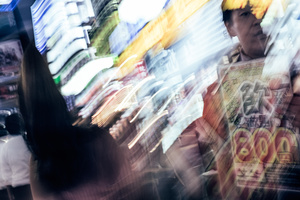
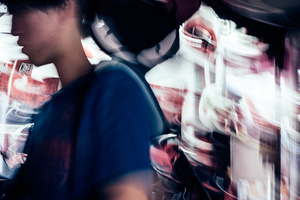
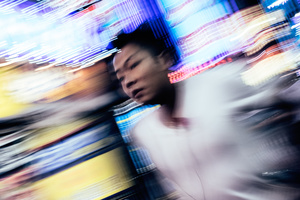
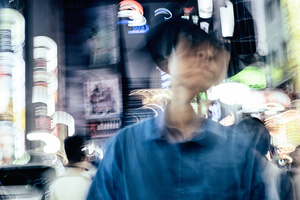
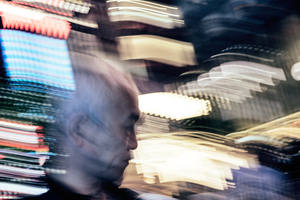
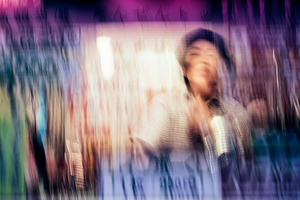
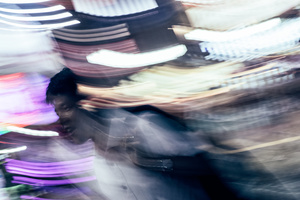
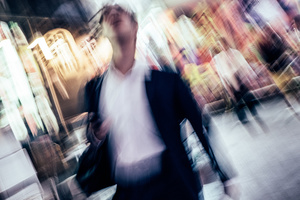
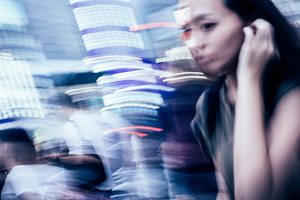
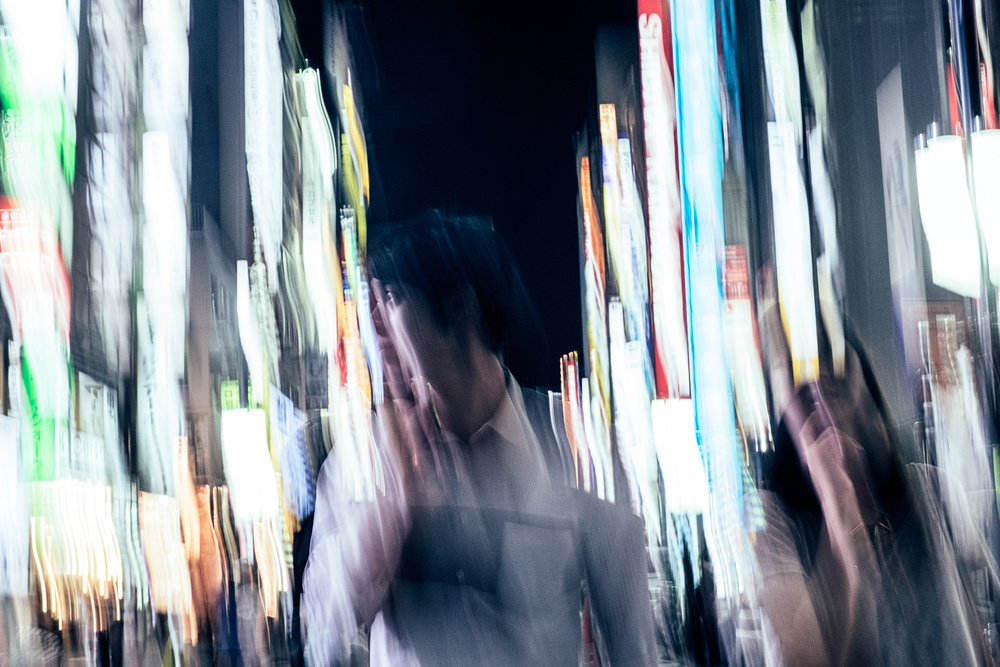
Shinjuku district in Tokyo is filled with light, especially at night and especially in the streets surrounding the main train station. If you're looking for something, you can find it here, shopping, world cuisines, a red light district, arcades, cafés. After sundown, the throngs of commuters turn into throngs of sightseers and the locals providing the sights to see. At night, the streets are electric with information, but does that translate to a sense of comfort in one's surroundings? It does as far as being a spectacle and the pleasures derived from seeing it all up close. The first time through is a blind assault on the senses that fill you with wonder. The streets are drowned in colorful lights that tease your eyes and a cascade of electric noise that floods your ears. So much to see, so much to know, so much to take comfort in. The answer to the question is yes, if you restrict the sense of comfort solely to the condition of the material satisfaction in finding what you're looking for. Still, fleeting moments appear where you can observe information overload, where people seem overwhelmed to a point where they no longer feel safe in their surroundings. There seems to be a line between initial awe and the realization that the stimulus is simply too much. Whether or not anyone is conscious of having crossed that line can be seen in the images of those fleeting moments. The reaction of visitors to the carnival atmosphere is shock, delight, or a mix of both. Those who live or work here seem to carry haggard expressions, trying hard to focus only on their tasks at hand. Should Shinjuku be avoided or revered? The streets of Shinjuku serve their purposes. It's a necessary attraction for those who need to bathe in the marvel of sights and sounds. For others, it can serve as a sign post of what to avoid. For others still, it's a way to make a living in a world that doesn't have the slightest interest in what takes place there beyond the spectacle itself.
No categories selected
Photos (10)