Karabagh remains and symbols
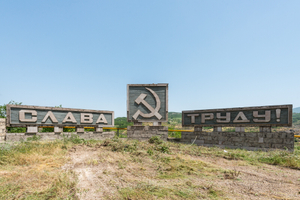
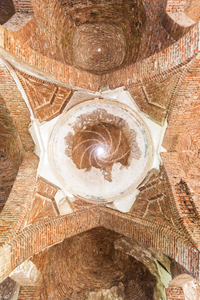
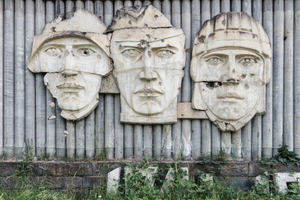
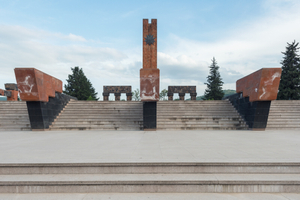
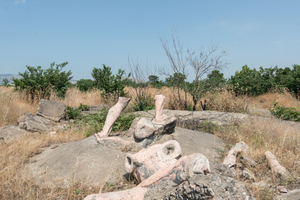
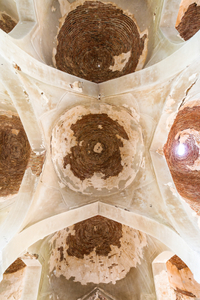
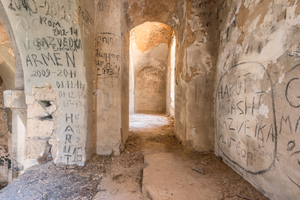
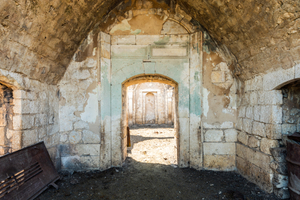
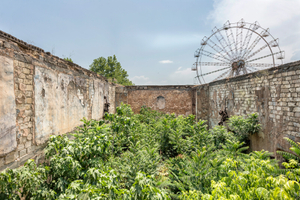
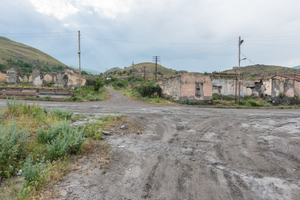
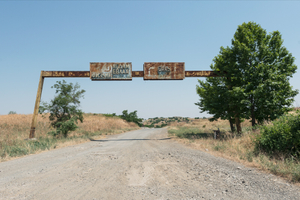
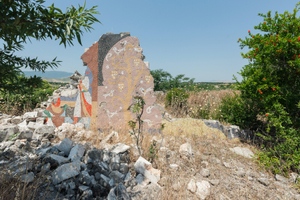
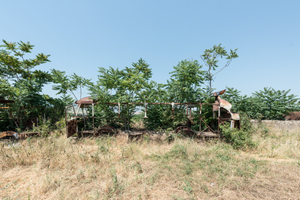
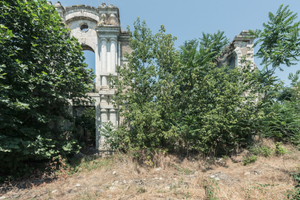
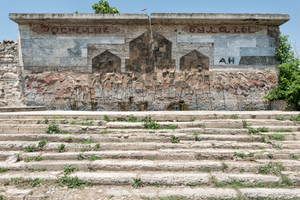
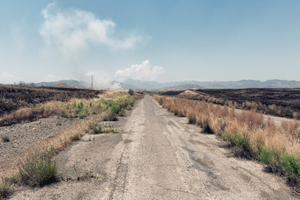
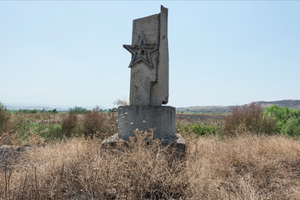
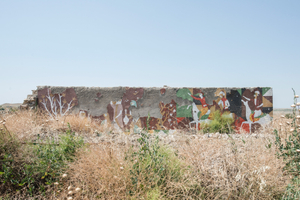
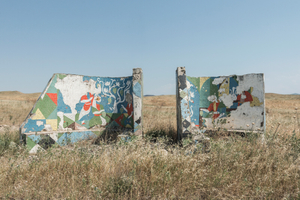
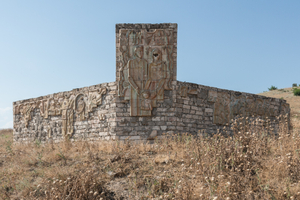
My photographic approach consists of researching constructions made and destroyed by Man, particularly in places where an architectural particularity can be identified. At the rhythm of governances, beliefs and empires, territories change, influences and occupations evolve or become multiple. This is how the richness and the scars of a territory and sometimes the "front page" of actuality. My desire to discover all the territories of the South Caucasus to learn about their Soviet past through a strong ethnic diversity starts in 2012. In 2015, I visit Karabagh, in its space as defined by the ceasefire of 1994: that is to say areas with Armenian and other Azeri dominance. I surveyed this part of mountainous land torn apart by conflicts in search of remains, mainly in the Azeri space. I realise today that these photos are in a way a testimony of "modern archaeology" which six years ago reported a piece of its history and which brings at the beginning of 2021 yet another light. During the Soviet Union, Armenians and Azerbaijanis lived on this same land, in addition to Armenians and Azerbaijanis who lived in both countries. This mix has meant that beyond the ruins of that time, there are religious places of different cults. I am convinced that nothing is static, and through these architectural testimonies, from which wounds and "splits" emerge, I am always surprised at the rapid changes. Thus I was touched when, in 2020, Shusha Cathedral, whose restoration was barely finished, was already bombed. A highway between Shusha and Azerbaijan would also be under construction. How ruined monuments will be renovated? I visited the cathedral in 2015 but I didn't photograph it because it was not a vestige. Will the Dadivank monastery be renamed into the church of Aghbanie? From these questions I also keep in mind that the Azeri mosques I photographed in 2015 were becoming a cultural centre or Iranian heritage. These transformations reflect the importance of the territories, their growing complexity with the history of each people. Local interactions that have a global reach with the new forms of communication and, of course, all the geopolitical decisions that lead to the protection or not of a territory for reasons other than the protection of peoples. Through these sections of silent wall, I describe the transformation of these territories in almost "anatomical" terms, because they simply reflect the people, their passages, their lives, their sufferings, their conquests... This approach between architecture and man often surpasses me in my photographic quest. Seeing these remnants of the Soviet Union throughout the USSR and the satellite countries over the last 10 years, shows me at the same time the ethnic diversities, the displacement of populations before, during and at the end of this era. Through my travel experiences, and the people I have met in all these countries, it allows me to feel, as a simple observer, the multiple uprooting. Because whatever the story, imagining being born in a place and perhaps never returning there one day and not being able to die on the land that gave birth to us, will remain a trauma to be fought against all one's life.
No categories selected
Photos (69)