
Days of Night - Nights of Day

Photos (45)

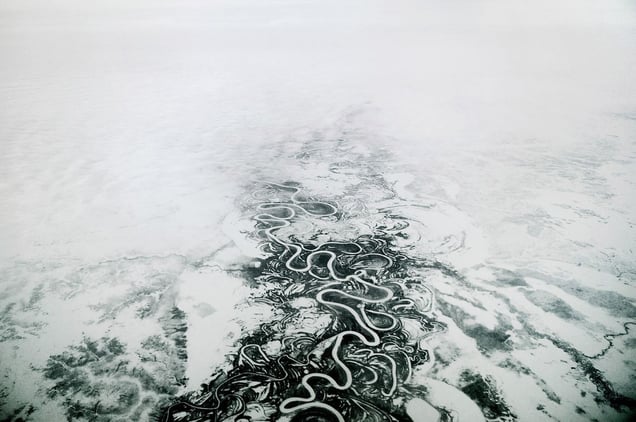
Located 400 km north of the Arctic Circle, Norilsk has no ground connections with the rest of the world.  Norilsk citizens call the rest of the world a 'continent'. © Elena Chernyshova
File: NORILSK_CHERNYSHOVA_ELENA_01.JPG
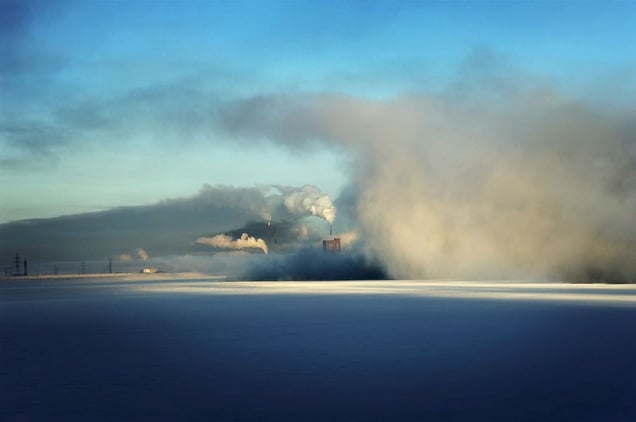
With a population of 175,000 inhabitants, Norilsk is among the biggest cities above the Arctic Circle. This city-factory has only one reason to exist: maintaining the biggest metallurgical and mines complex in the world. This complex by itself is worth approximately 2% of Russia's GDP. © Elena Chernyshova
File: NORILSK_CHERNYSHOVA_ELENA_02.JPG
6,000 years ago, the rich deposits of the region were already attracting people. But the real rise of Norilsk occurred at the beginning of the 20th century, when a geological expedition discovered rich deposits of nickel, copper and cobalt. In 1936, the USSR started the construction of a metallurgical complex — the modern city was born. © Elena Chernyshova
File: NORILSK_CHERNYSHOVA_ELENA_03.JPG
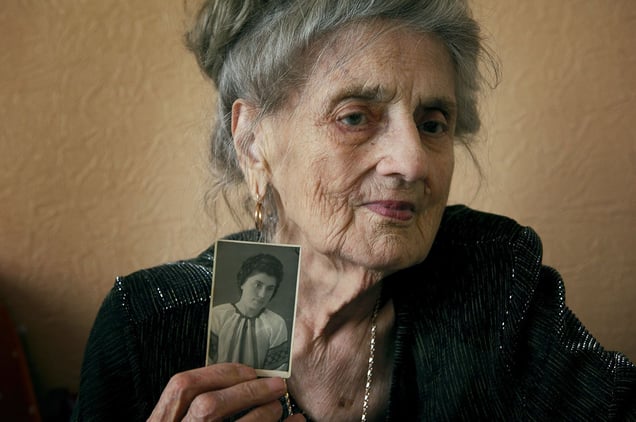
Anna Vasilievna Bigus, 88, spent ten years of her youth in the Gulag. At age 19, she was separated from her family and sent into the Arctic Circle. "The only joy we could have in Gulag was singing. We sang a lot. And this gave us the strength to survive…" Her daughter became a music teacher and her grandchildren sing in opera. © Elena Chernyshova
File: NORILSK_CHERNYSHOVA_ELENA_04.JPG
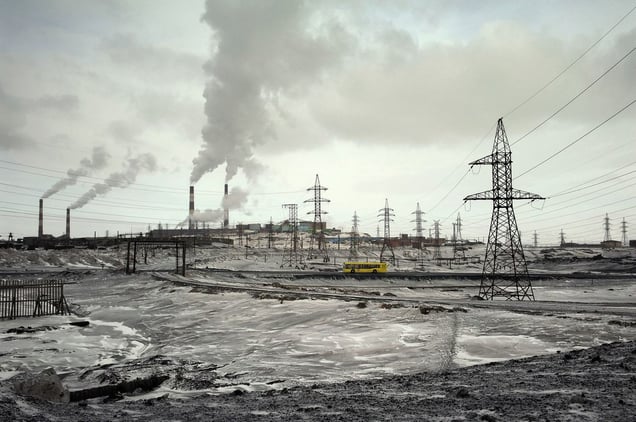
The "Big Norilsk" is an ensemble of three cities: Norilsk, Talnakh and Kayerkan. They are situated in a radius of 30km and linked by land roads. © Elena Chernyshova
File: NORILSK_CHERNYSHOVA_ELENA_05.JPG
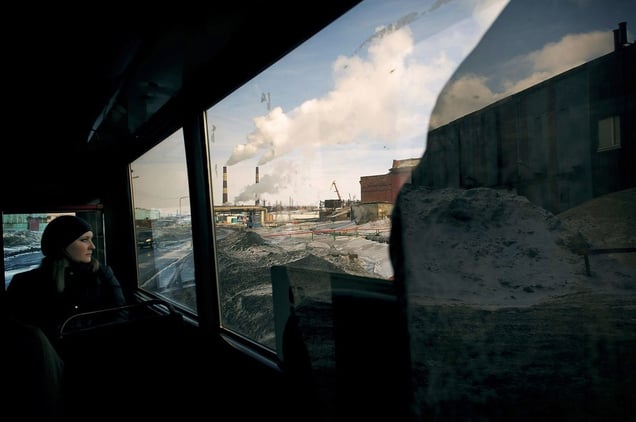
The "Big Norilsk" is an ensemble of three cities: Norilsk, Talnakh and Kayerkan. They are situated in a radius of 30km and linked by land roads. © Elena Chernyshova
File: NORILSK_CHERNYSHOVA_ELENA_06.JPG
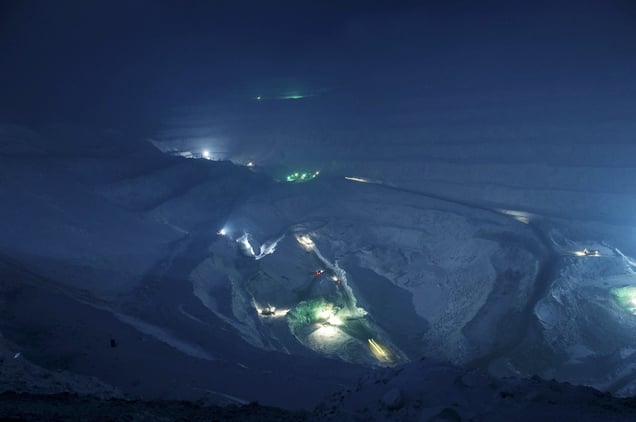
Norilsk is situated on the Siberian western plateau, at the foot of the Putorani Mountains. It sits upon the world's largest deposits of nickel, copper and palladium. These deposits were formed about 250 millions years ago. Today, "Norilsk Nickel" is the world leader in the production of nickel and palladium (17% and 41% respectively). © Elena Chernyshova
File: NORILSK_CHERNYSHOVA_ELENA_07.JPG
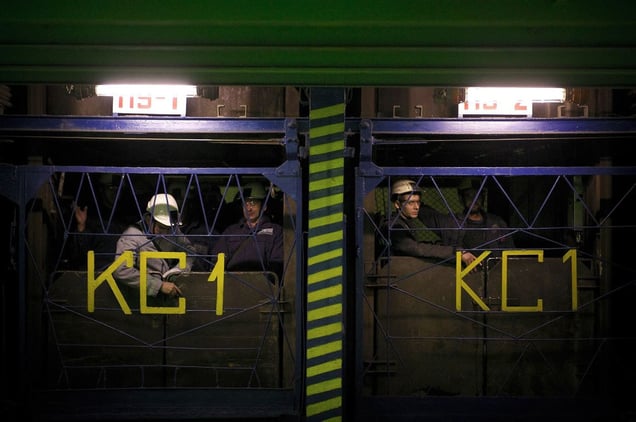
Norilsk minerals are extracted from six underground and one open mine. The deposits contain nickel, copper, palladium, platinum, cobalt, gold and other rare components.The total length of underground galleries exceeds 800 km, while their depth varies between 450 and 2050 meters.  © Elena Chernyshova
File: NORILSK_CHERNYSHOVA_ELENA_10.JPG
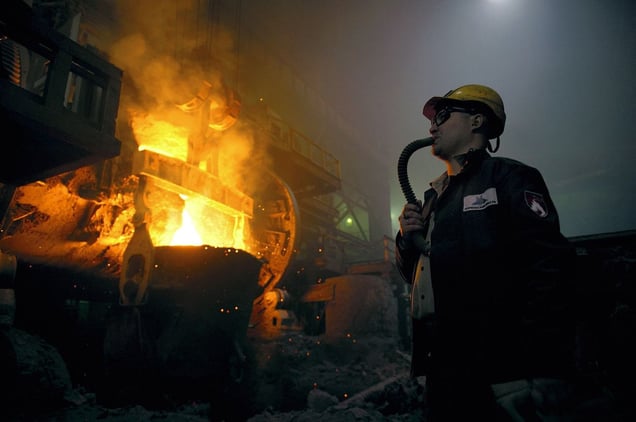
Three plants of Norilsk — the nickel factory, the copper factory and the metallurgical complex “Nadejda” (“Hope”), were built successively in 1942, 1949 and 1981. 56% of the population works in these places. Here is the melting department. The workers wear masks at all times to filter out the gaseous fumes. © Elena Chernyshova
File: NORILSK_CHERNYSHOVA_ELENA_08.JPG
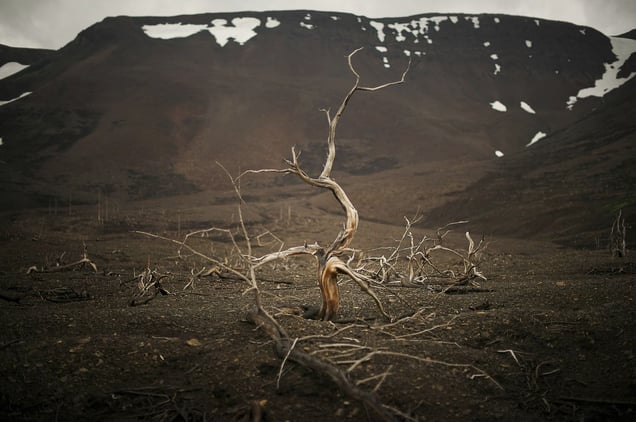
According to the Blacksmith Institute, Norilsk is the 7th most polluted city in the word and most polluted in Russia. Every year the metallurgical combine emits almost 2 millions of tons of gas into the atmosphere. One of them, sulfur dioxide, is a principal source of acid rain. Almost 100,000 ha of the fragile tundra around the city is dead or in danger. © Elena Chernyshova
File: NORILSK_CHERNYSHOVA_ELENA_11.JPG
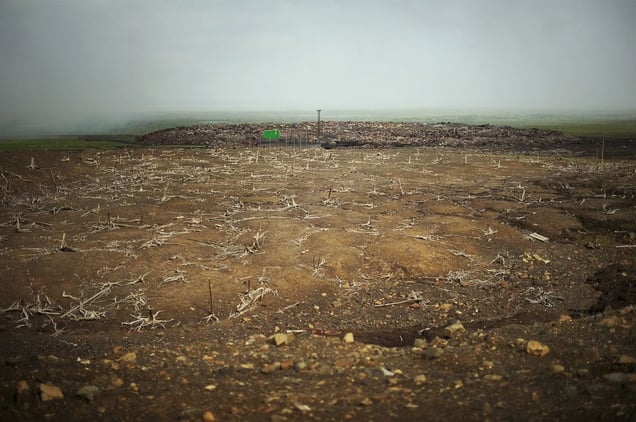
Sulfur dioxide is the principal source of acid rain. Almost 100,000 ha of the fragile tundra around the city is dead or in danger. The concentration of heavy metals in the earth is so high that it is forbidden to collect mushrooms and berries in the 30 km radius around the city. © Elena Chernyshova
File: NORILSK_CHERNYSHOVA_ELENA_11_2.jpg

During the summer, the air becomes even more polluted. The difference of temperature in the atmosphere prevents the evacuation of smoke. Thus, a nauseating smog pervades the streets of Norilsk. This situation is aggravated by the position of the three factories: they lie opposite one another, meaning that no matter which way the wind blows, smoke enters the city. © Elena Chernyshova
File: NORILSK_CHERNYSHOVA_ELENA_12_2.jpg

Life expectancy in Norilsk is ten years lower than in the rest of Russia. The emissions cause lung disease, digestive malfunction and cancer. Cases of allergies, asthma, cardiovascular degeneration, and blood disorders are widespread. So are mental illnesses. The risk of cancer in Norilsk is two times greater than in the rest of the country. © Elena Chernyshova
File: NORILSK_CHERNYSHOVA_ELENA_13.JPG
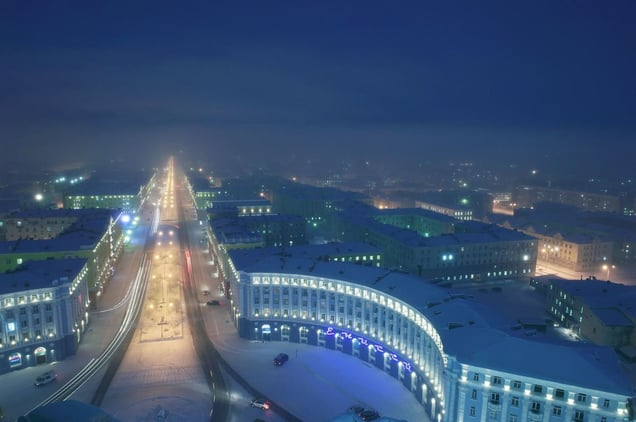
The construction plan of Norilsk was established in 1940, by architects imprisoned in the nearby Gulag. The idea was to create an ideal city. The most "ancient" buildings are constructed in the Stalinist style. The next step of construction happened in the 60s, when the prevailing method in the USSR was to use pre-built panels. © Elena Chernyshova
File: NORILSK_CHERNYSHOVA_ELENA_14.JPG
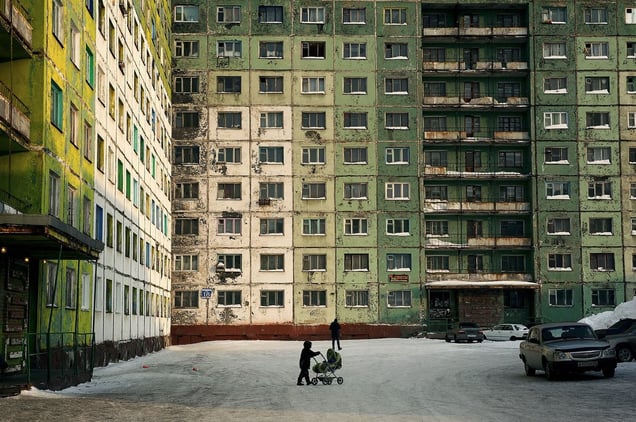
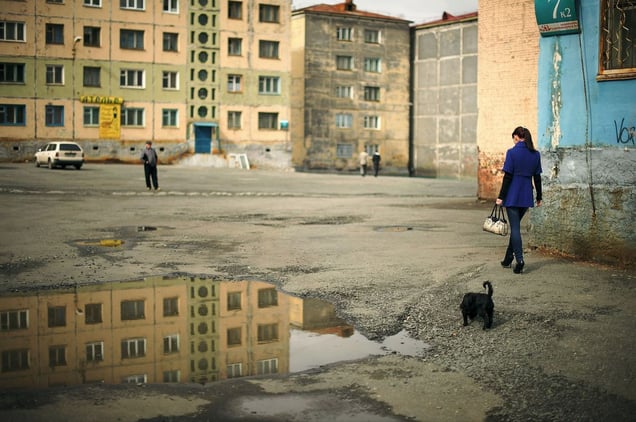
The majority of the buildings in Norilsk, Russia, are constructed with pre-built panels. These buildings were called “Gostinka” and were considered temporary accommodations for newly arrived workers, but many of them became permanent dwellings and remain today. © Elena Chernyshova
File: NORILSK_CHERNYSHOVA_ELENA_15.JPG
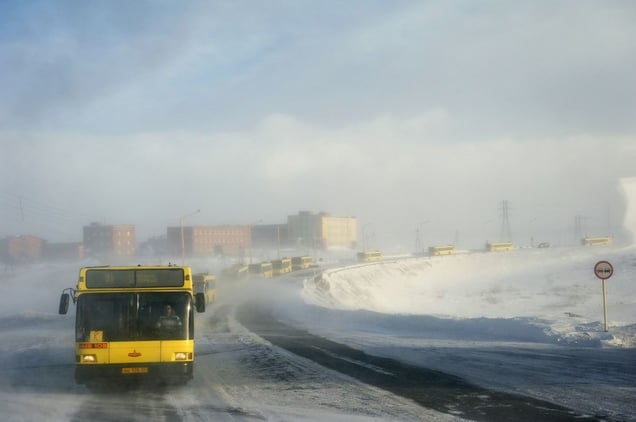
During the winter even a simple journey can be transformed into a full-blown expedition. Most jobs are situated along roads which cross open spaces of tundra. During a snowstorm, public transport consists of processions of 15-20 buses. If one bus tips over or breaks down, the passengers can be evacuated to another bus. This convoy circulates 2-3 times a day. © Elena Chernyshova
File: NORILSK_CHERNYSHOVA_ELENA_16.JPG
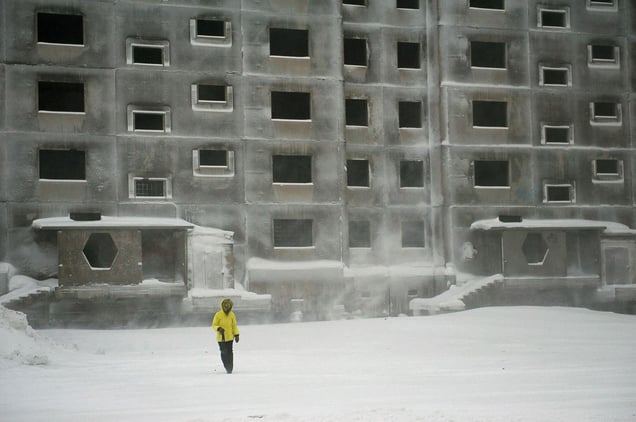
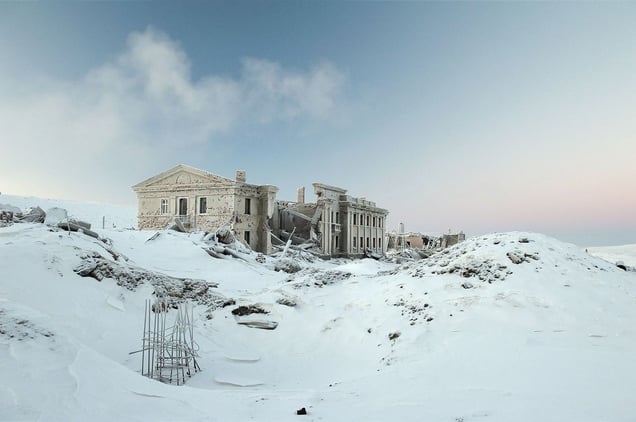
The construction of new quarters of Norilsk was initiated only a few years before perestroika. The fall of the USSR disrupted the flow of funds. Thus, construction of several buildings was "frozen." For 20 years, these buildings have remain unfinished and abandoned. © Elena Chernyshova
File: NORILSK_CHERNYSHOVA_ELENA_17.JPG
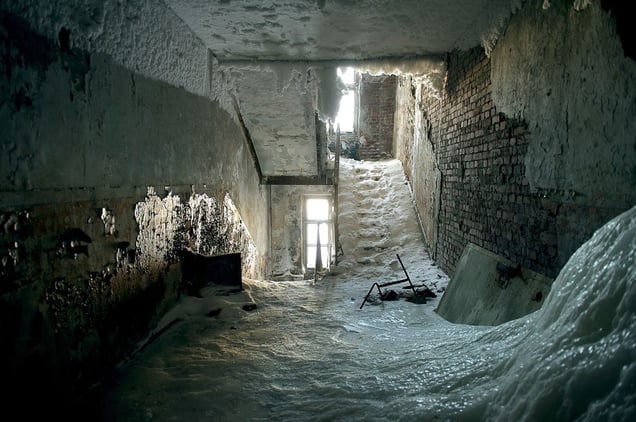
Norilsk is facing a big problem of maintaining its buildings. Thawing of the upper layers of permafrost has caused instability in the pilings and has led to the destruction of buildings. This is aggravated by a negligent maintenance of the sewer system, the constant leakage of hot water, and the global elevation of temperature. © Elena Chernyshova
File: NORILSK_CHERNYSHOVA_ELENA_18.JPG
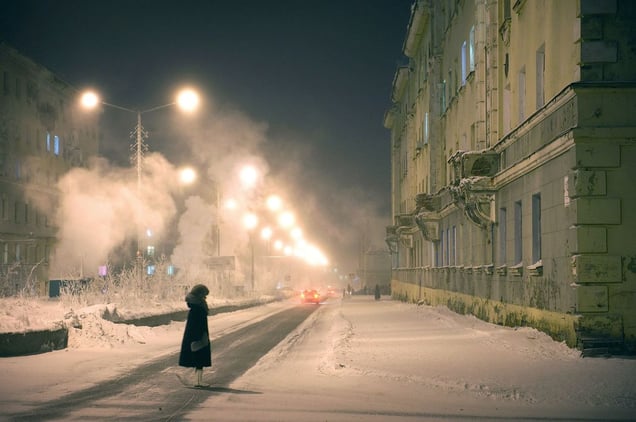
During a hard frost, the temperature can go under -55° C. Steam rises from collectors, transforming the space with a thick fog. © Elena Chernyshova
File: NORILSK_CHERNYSHOVA_ELENA_19.JPG
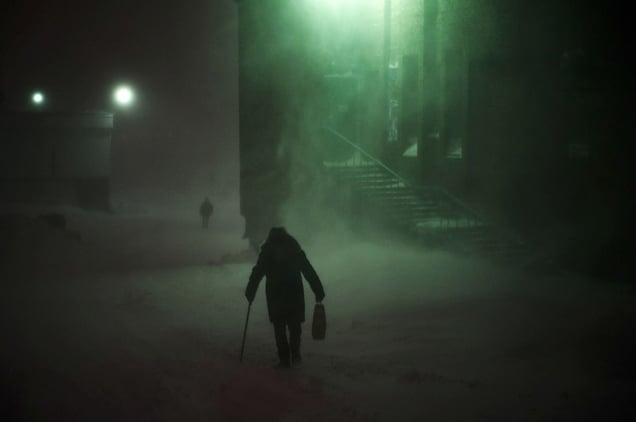
Winters are long, with average temperatures of -30° C and more than 130 days of snowstorms. © Elena Chernyshova
File: NORILSK_CHERNYSHOVA_ELENA_20.JPG
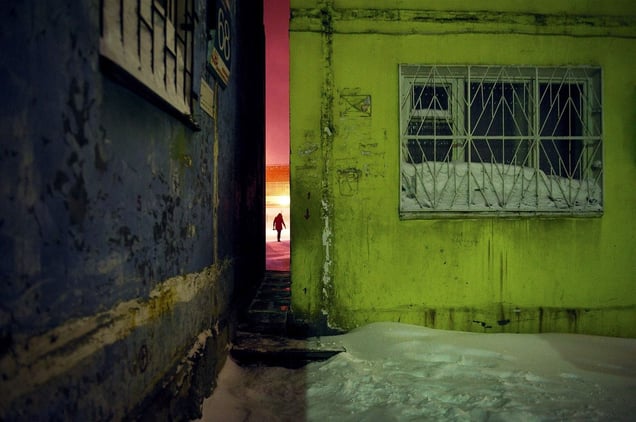
The city's architects tried to create an urban space that could protect the inhabitants from the area's violent winds. Thus, the buildings are grouped together to form enclosed courtyards. To insure good circulation, architects planned very narrow passages between buildings. © Elena Chernyshova
File: NORILSK_CHERNYSHOVA_ELENA_21.JPG
Cover
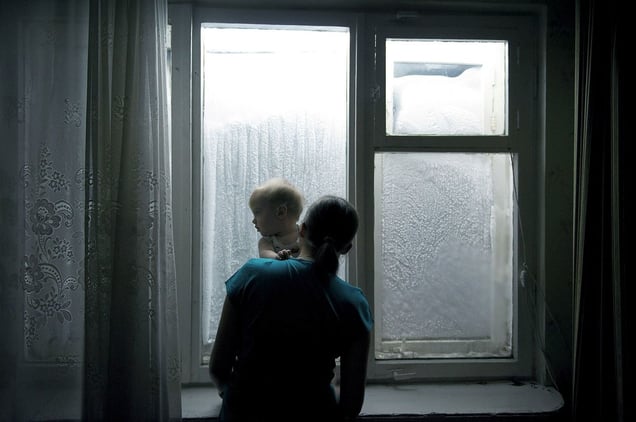
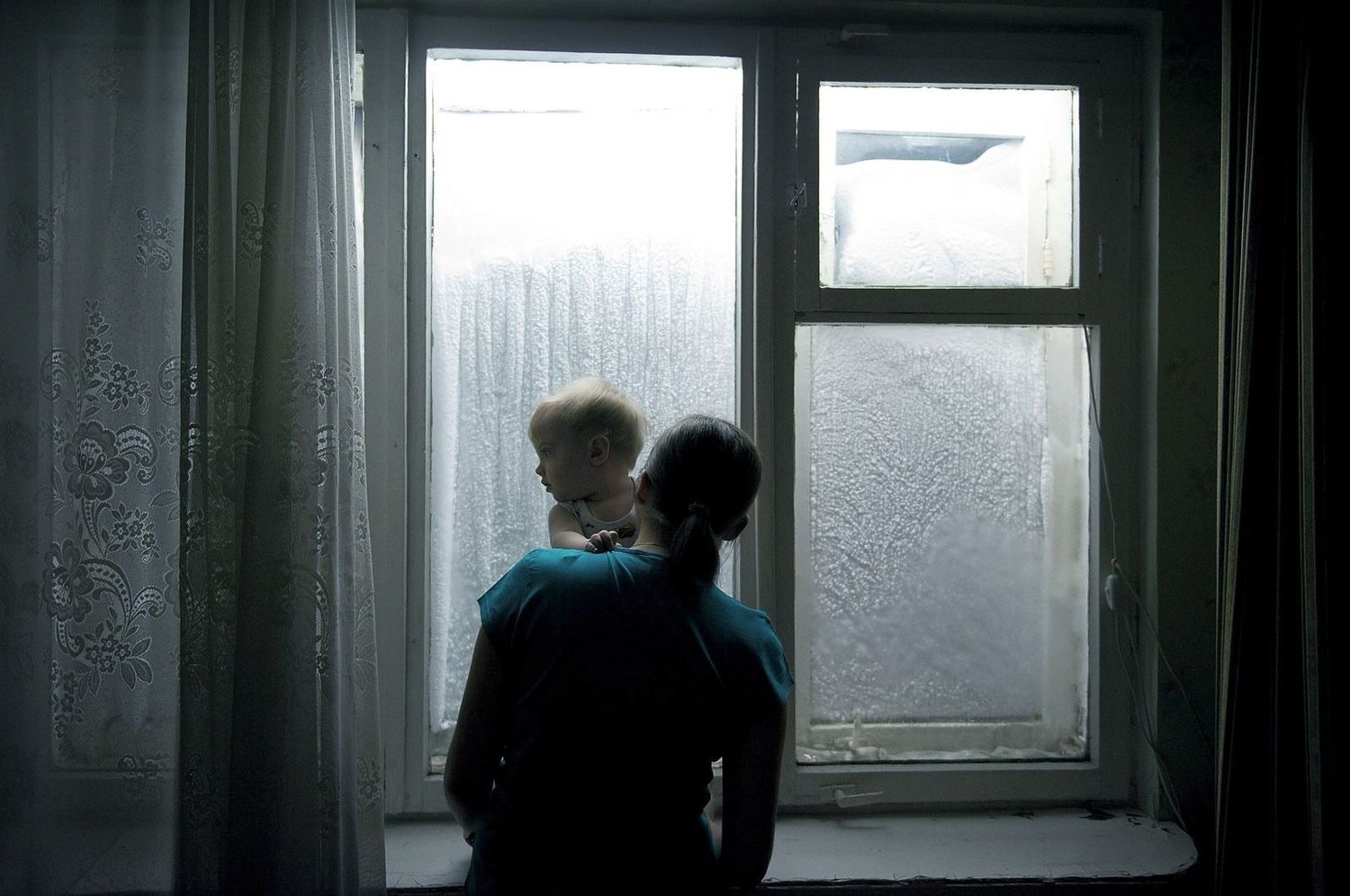
During a two-month period in the winter, the sun doesn’t rise above the horizon. This polar night means that the body is deprived of melatonin-giving light. This can lead to a loss of deep sleep, irritation, fatigue and depression. Most apartments in Norilsk are equipped with UV lamps to simulate natural light. © Elena Chernyshova
File: NORILSK_CHERNYSHOVA_ELENA_22.JPG
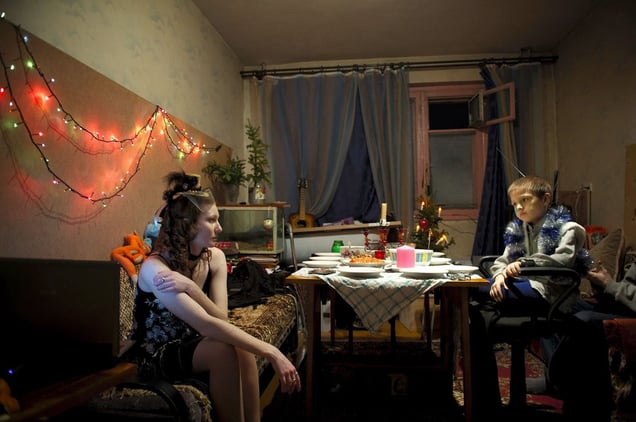
In the winter, it becomes difficult to break the daily rhythm of "home-work-home". The extreme outdoor conditions don't facilitate activities besides those which happen inside. Thus, a major part of life occurs in confined spaces. © Elena Chernyshova
File: NORILSK_CHERNYSHOVA_ELENA_23.JPG
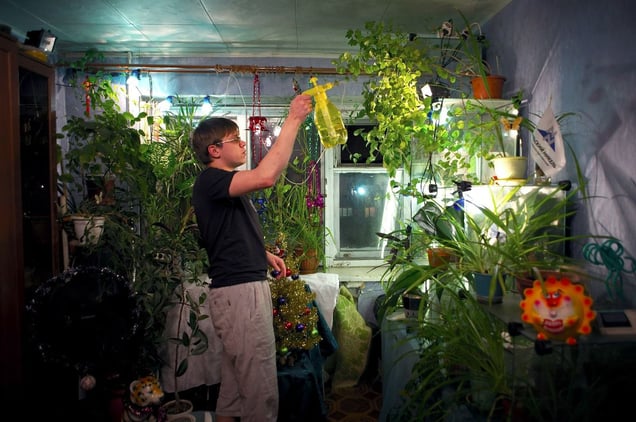
Inhabitants of the city find themselves lacking vegetation during the 9 month winter. They try to create green oasises in their apartments, defying the harsh climate and industrial environment, in the hopes of providing themselves a visual escape.
File: NORILSK_CHERNYSHOVA_ELENA_24.JPG

The best way to resist the depressing influence of polar nights is to expose yourself to bright light. In the 1950s, luminotherapy became popular. In school, children were taken for their daily "sunbath" in front of a UV lamp. Nowadays, solariums are widespread and are highly appreciated by the inhabitants of Norilsk. They are quite cheap and accessible to everyone. © Elena Chernyshova
File: NORILSK_CHERNYSHOVA_ELENA_24_2.jpg
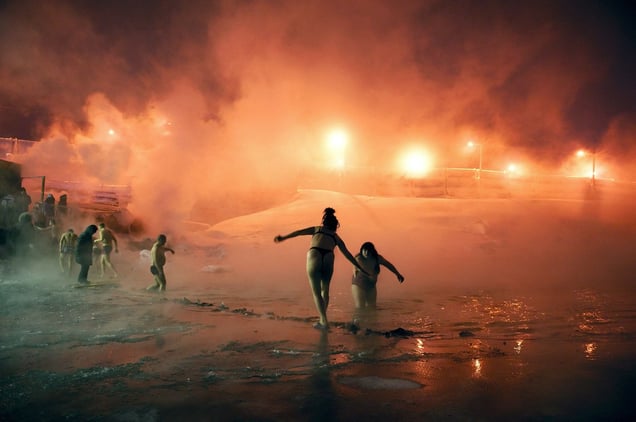
Ice swimming is one activity that people undertake to cope with the winter, even on days when the air feels -40° C. After diving into ice holes, swimmers warm up in small banyas (saunas) heated with the steam from the power plant. © Elena Chernyshova
File: NORILSK_CHERNYSHOVA_ELENA_25.JPG
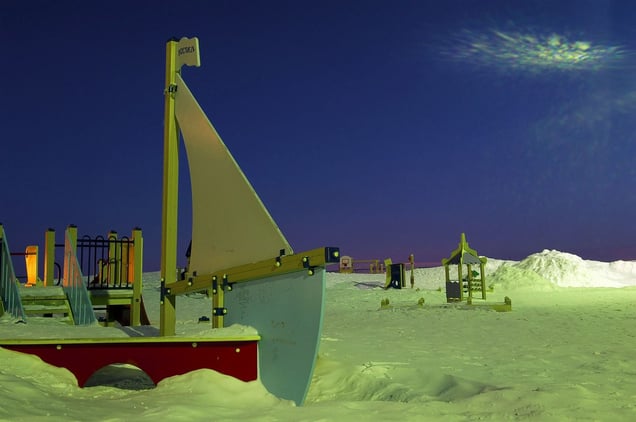
In kindergarten, a special table is used to compare the temperature and the speed of the wind. If the value is too low, the children are forbidden from going outside. Sometimes children have to spend several months indoors. © Elena Chernyshova
File: NORILSK_CHERNYSHOVA_ELENA_26.JPG
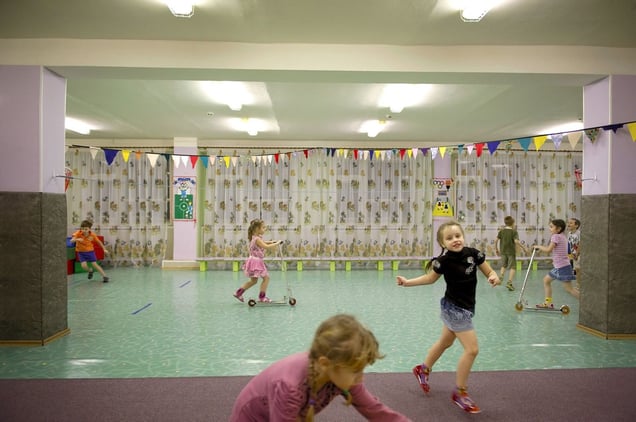
To compensate for the fact that children often spend months indoors, the schools have large closed spaces. This allows the children to enjoy such activities as cycling and running. © Elena Chernyshova
File: NORILSK_CHERNYSHOVA_ELENA_27.JPG
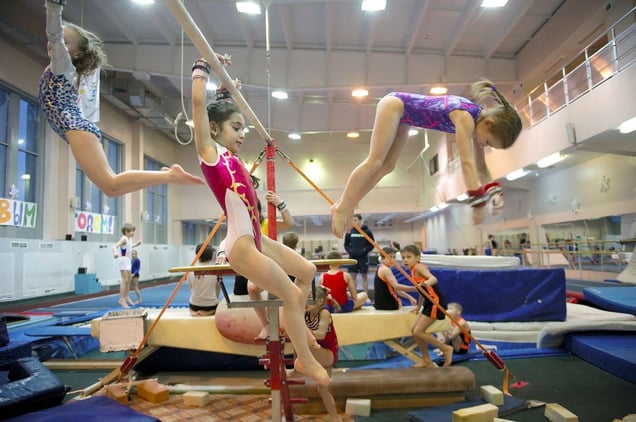
In Norilsk, sports are very popular since sports are the best way to stay healthy in such harsh conditions. Several Russian champions in gymnastics, figure skating, skiing and swimming have hailed from Norilsk. The city offers many opportunities for sports, with swimming pools, gyms, indoor football fields, ice rinks and so on. © Elena Chernyshova
File: NORILSK_CHERNYSHOVA_ELENA_28.JPG

“Aktirovka” is a magic word for the schoolchildren of Norilsk. It means that due to weather conditions, the children should not go to school and get to stay at home. Homework is sent by the teachers using text messages. Days of “aktirovka” may continue for a week or more. © Elena Chernyshova
File: NORILSK_CHERNYSHOVA_ELENA_28_2.jpg
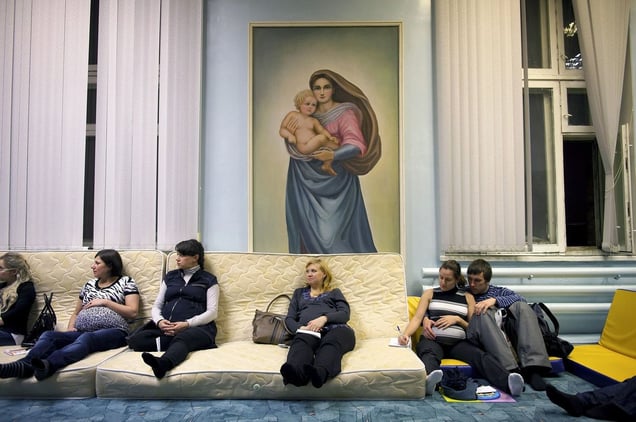
Despite the difficult conditions of life in Norilsk, the birth rate there is higher than in any other region of Russia. Still, the climate and environment have a negative impact on women's health. The majority of women born in Norilsk as well as those who have been there while pregnant must undergo caesarean childbirths. © Elena Chernyshova
File: NORILSK_CHERNYSHOVA_ELENA_29.JPG

Once a month, "a true disco", the "Mechanika", is organized in the city by a group of volunteers. This is the only opportunity to listen to new music in a public setting. © Elena Chernyshova
File: NORILSK_CHERNYSHOVA_ELENA_30.JPG
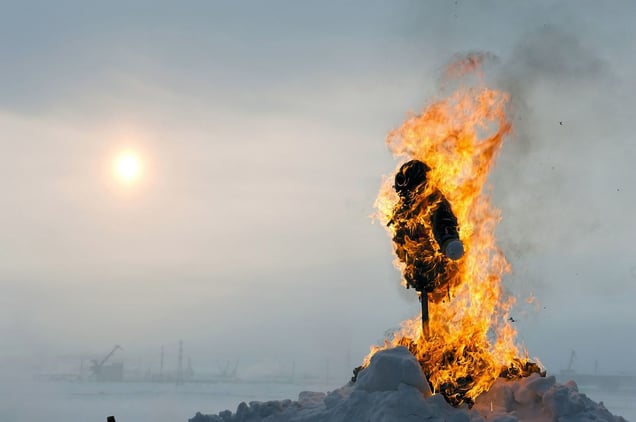
For the holiday of Shrovetide, the Russian tradition is to burn a scarecrow. This represents the passing of winter and the beginning of spring. In Norilsk, the winter lasts 9 months, so this tradition offers only the distant hope of sun and warmer weather. The people must wait another 2-3 months before the arrival of true spring. © Elena Chernyshova
File: NORILSK_CHERNYSHOVA_ELENA_31.JPG
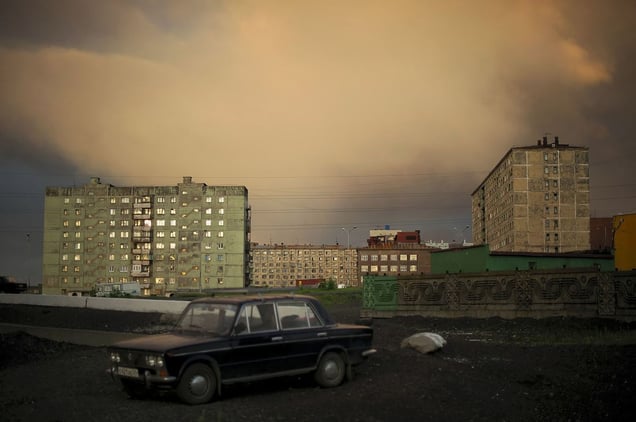
In the summer, there is a period when the sun doesn’t go under the horizon. This continues from the end of May till the end of July. It is accompanied by good weather and pleasant temperatures. Around 3 am, while the city sleeps, it is still illuminated by the sun. The city seems like a ghost town, emptied of its inhabitants. © Elena Chernyshova
File: NORILSK_CHERNYSHOVA_ELENA_32.JPG
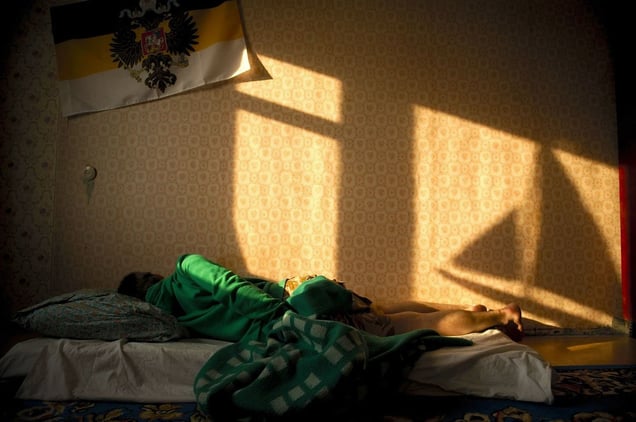
The continued presence of light disorders sleep. But Norilsk residents claim that they are tired enough after work that the light does not bother them. Still, the buildings are not equipped with shutters for protection so the bedrooms are filled with intrusive light. Only a few apartments are fitted with thick curtains. © Elena Chernyshova
File: NORILSK_CHERNYSHOVA_ELENA_33.JPG
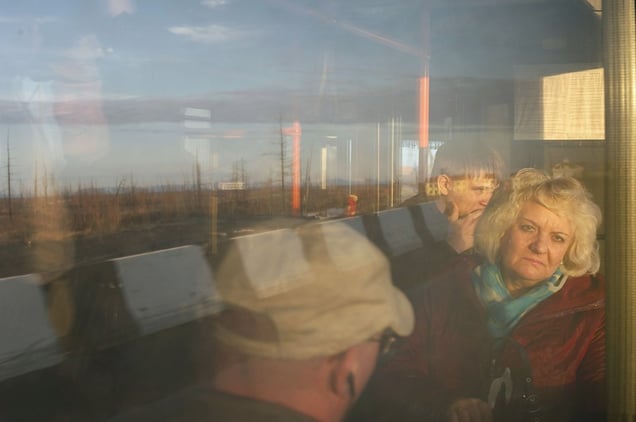
In the summer, there is a period when the sun doesn’t go under the horizon. This continues from the end of May till the end of July. It is accompanied by good weather and pleasant temperatures. Norilsk inhabitants use every opportunity to stay outside, often walking till the middle of the night. The temperatures can reach 25° or even 30° during a hot year. © Elena Chernyshova
File: NORILSK_CHERNYSHOVA_ELENA_34.JPG
One of the particularities of Norilsk is that it completely lacks green spaces where one can escape. Inhabitants must go 30 km by bus to find even a bit of true nature. Lack of time causes people to try and enjoy the sun in the urban area. © Elena Chernyshova
File: NORILSK_CHERNYSHOVA_ELENA_35.JPG
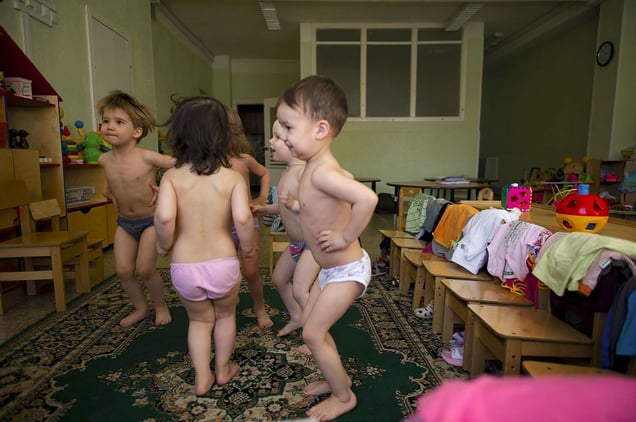
During the summer, the children in the kindergarten do physical exercises without clothes. This teaches them to adapt better to the cold. © Elena Chernyshova
File: NORILSK_CHERNYSHOVA_ELENA_36.JPG
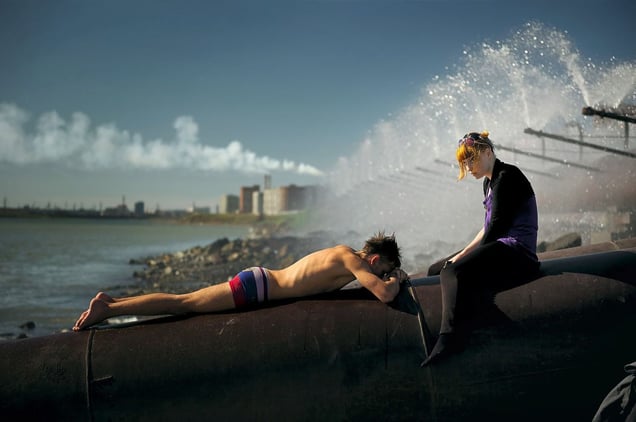
Young people who do not have a job related to metallurgy desperately want to leave. They do everything to find work on "the continent". They cite their home's harsh living conditions, the lack of places to go out and the severe sense of isolation. "We cannot even leave for the weekend to visit another city, to change ideas and meet other people." © Elena Chernyshova
File: NORILSK_CHERNYSHOVA_ELENA_37.JPG
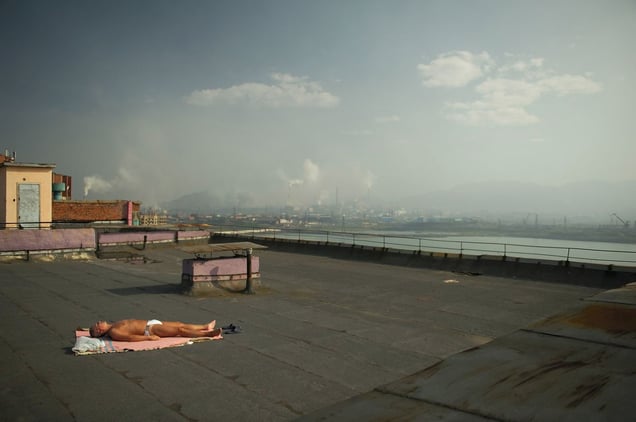
One of the particularities of Norilsk is that it completely lacks green spaces where one can escape. Inhabitants must go 30 km by bus to find even a bit of true nature. Lack of time causes people to try and enjoy the sun in the urban area. © Elena Chernyshova
File: NORILSK_CHERNYSHOVA_ELENA_38.JPG
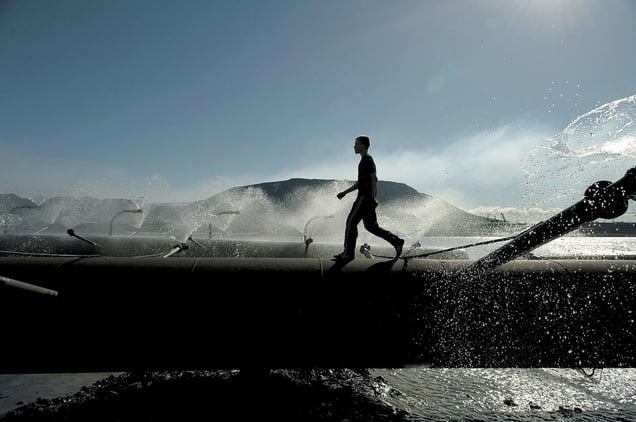
Dolgoe Lake lies at the foot of Norilsk and separates the industrial area from the city. When the city was being designed, the architects imagined a large park and recreation area along the lake. Yet the development of this area has never been done. In response, people have tried to domesticate industrial zones for leisure and recreation. © Elena Chernyshova
File: NORILSK_CHERNYSHOVA_ELENA_39.JPG

Dolgoe Lake lies at the foot of Norilsk and separates the industrial area from the city. When the city was being designed, the architects imagined a large park and recreation area along the lake. Yet the development of this area has never been done. In response, people have tried to domesticate industrial zones for leisure and recreation. © Elena Chernyshova
File: NORILSK_CHERNYSHOVA_ELENA_40.JPG
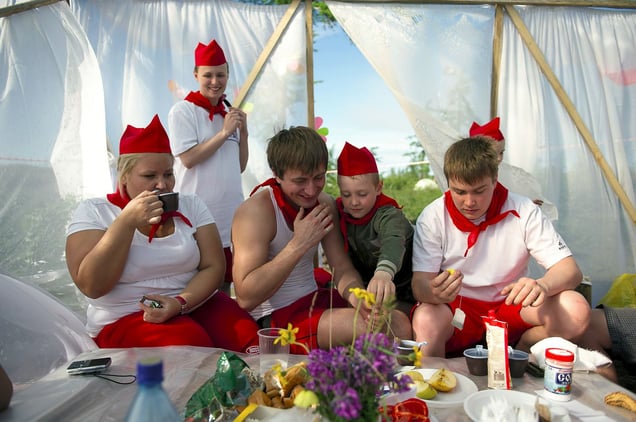
Each year, the inhabitants of Norilsk celebrate the arrival of summer with joy. A three-day meeting is organized in the tundra, during which various competitions are held: canoeing, climbing and so on. Each team has its own motto, anthem and outfit. Here is a team called "Pioneer of our Era", eating breakfast before a day of competition. © Elena Chernyshova
File: NORILSK_CHERNYSHOVA_ELENA_41.JPG
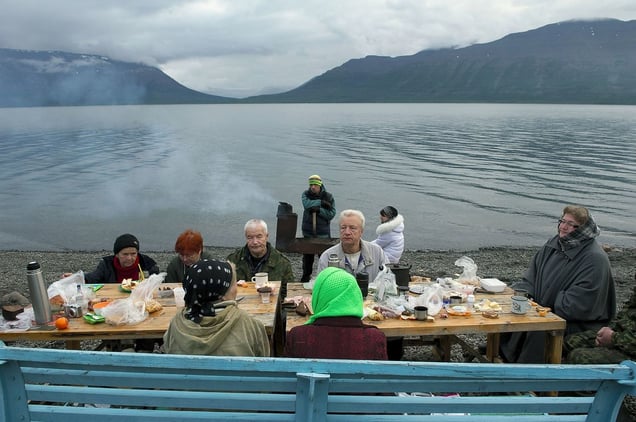
Adults often gather for weekends in their holiday villages. They stay in small dachas which are situated in the tundra 30 km from Norilsk or on the shores of the legendary Lama lake. Barbecues and parties are organized throughout the summer. © Elena Chernyshova
File: NORILSK_CHERNYSHOVA_ELENA_42.JPG
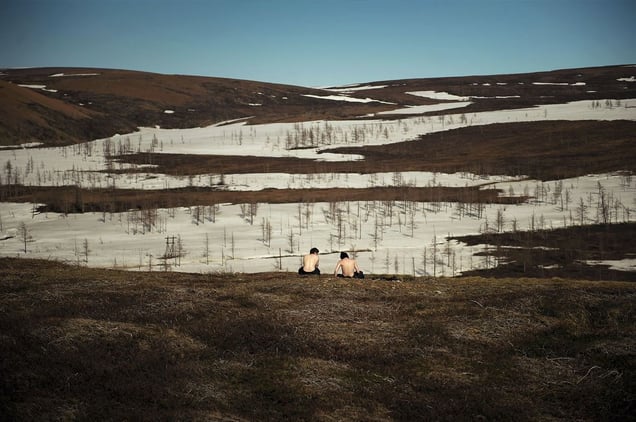
After 9 months in confined spaces, the people of Norilsk escape in the tundra for long walking trips during the summer. Norilsk inhabitants have a special relationship with nature: all winter they are taming the cold while in the summer, they are free to explore the virgin areas of the tundra. © Elena Chernyshova
File: NORILSK_CHERNYSHOVA_ELENA_43.JPG