
Floraison
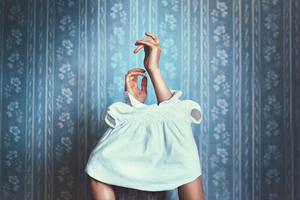
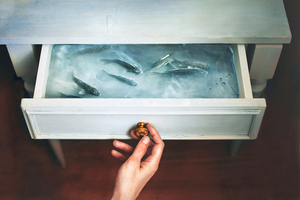
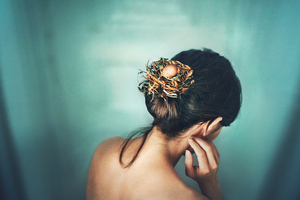
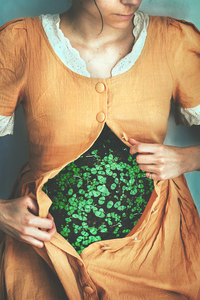
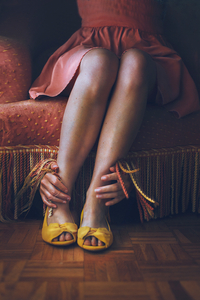
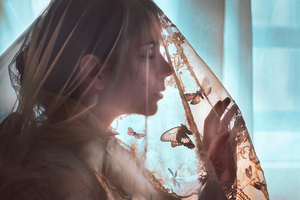
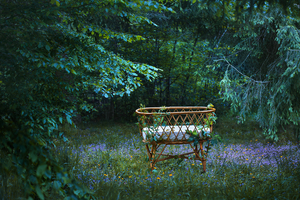
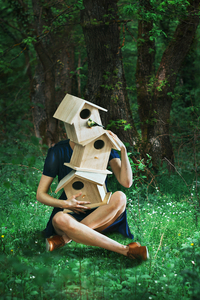
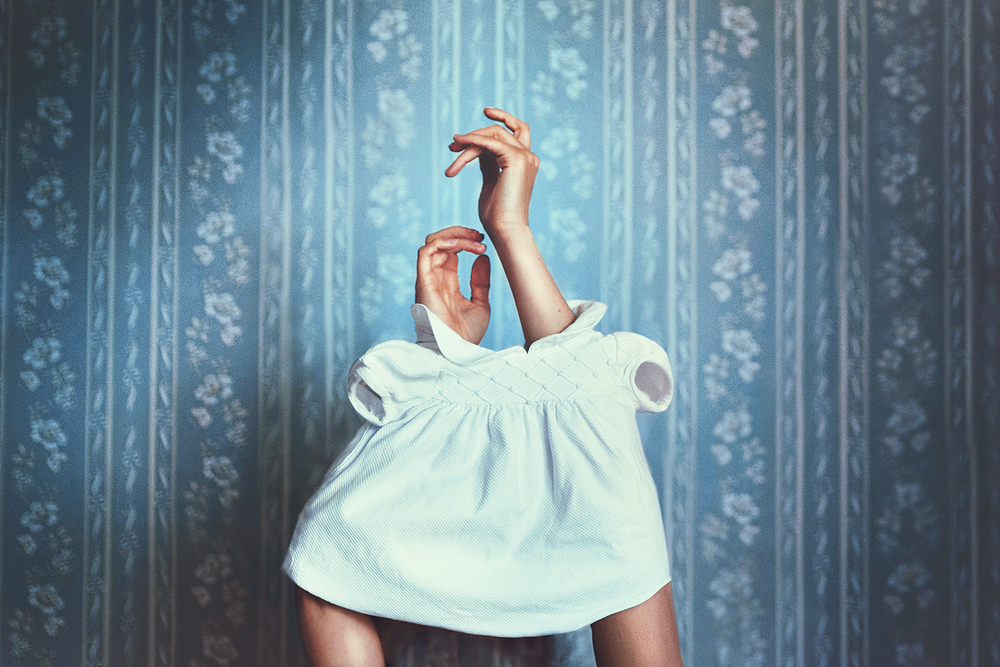
On December 25th 2019, I theoretically had 0.0006% chance to get pregnant. A few weeks later, when I learn that I am expecting a child, a flood of intense and contradictory emotions overcomes me. I am happy, terrified, enthralled, upset. I know that my life is about to turn upside down, and this due date fills me with wonder and anxiety. Until then, I had never considered pregnancy and motherhood worthy of interest: to me, they were regular events that countless women experience. De facto, in our societies, pregnancy is often minimized, banalized. At the same time, it is also sanctified, as if it were a graceful time during which woman is finally fulfilled. On the contrary, other times, it is reduced to the pain, to the physiological and clinical sides. However, none of these representations truly describe the identity and existential stakes of these nine months. It is a time of upheaval, in which you lose and redefine yourself. The old me fades away, progressively replaced by a new one, that I haven’t met yet. Two births intertwine then, inside this body that is not entirely mine anymore. This life, which is growing, swarming, is both a comforting and invasive presence: every second reminds me of it. It makes me live in a perpetual expectation, made of doubts and hopes. I don’t know it yet, but she will be named Flore. We grow up together, while we get closer to the miraculous and ineluctable unknown. Post-scriptum: the French words “floraison” and “Flore” respectively mean “flowering” and “flora” in English.
No categories selected
Photos (12)