
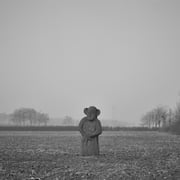
Untitled“The Rockery”
The outbreak of global covid-19 makes me pay attention to the relationship, shield and conflict between man and nature again。 We can see traces of human intervention in nature everywhere in our real life and natural environment, from mountains and rivers to genetic transformation. Of course, this kind of intervention is not only reflected in the material level, but also in the spiritual and cultural aspects. It is amazing that sometimes the traces of all these interventions are full of poetry and beauty。 What puzzles me most is that human beings conquer, possess and utilize nature. Should we express it with happy songs or sad songs? All the materials of “The rockery ”series are shot with pinholes in the gardens of South China instead of the real natural landscape。 “The rockery ”has two meanings, that is to say, it represents the subject "rockery in the garden", and at the same time, it finally constructs a "false mountain"。 This series of works is intended to touch or construct a kind of "virtual nature", but it retains artificial traces and a large number of "dirty spots" in the picture。 It adopts the mounting method of vertical axis of Chinese painting, with multiple pictures in parallel. The size of the work ranges from 40 meters wide and 8 meters high to 4 meters wide and 4 meters high。 The rockery series has two meanings, that is, it represents the subject "rockery in the garden", and at the same time, it finally constructs a "false mountain", that is, the false nature。 The final work is presented in epic scale. Huge works can cause strong visual pressure on viewers and immerse them in the virtual nature。At the same time, it also forces the viewer to stay away from the picture and ignore the artificial traces and dirty spots。
No categories selected
Photos (10)


