Crossing the Line: USA | Mexico border
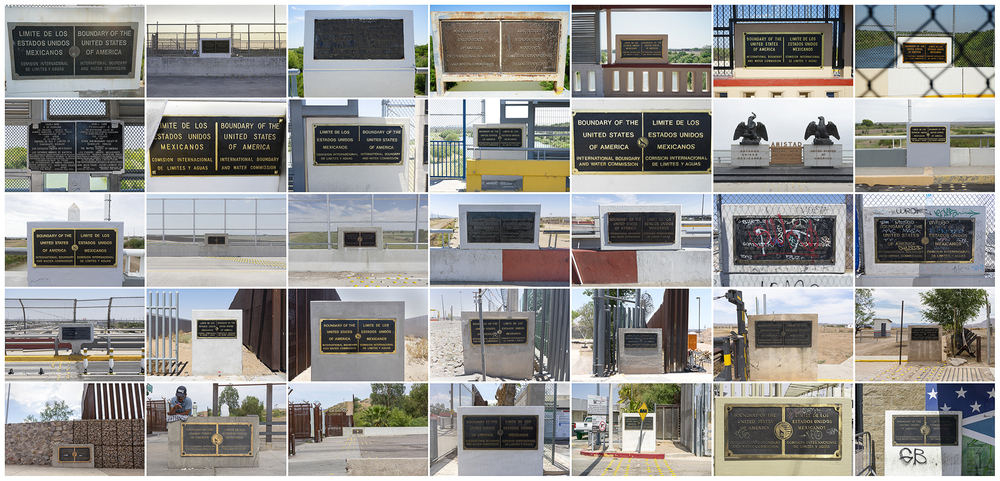
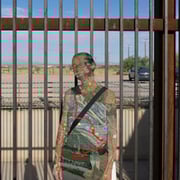
Borders are physical and psychological. Lines of demarcation and systems of division are prevalent throughout the world, establishing boundaries for where one can legally place their body. Beyond physical barriers, borders can be formed from emotional and ideological structures, preventing people from extending beyond similarities, familiarity and comfort, forging vast differences and divisions. In June 2018, I utilized my privilege as a United States citizen to walk across 44 legal points of exit and entry along the US-Mexico border, and was successfully processed through over 30 US Customs and Border Patrol Stations, placed in secondary holding only once. I made the journey as quickly as possible, taking only 11 days to cross these borders, to test the limits of my civil liberties. I walk in the world to understand myself within the landscape and psychology of boundaries and territories, and to examine how the natural world, and my own body, become implicated into systems of demarcation. For me, there is an innate drive to cross lines and move beyond established borders, both physically and metaphorically. The physical privilege was taken from almost everyone by a global pandemic, which allowed for a deeper understanding and appreciation that privilege is also defined by having a safe and healthy place to call home. This should be not be a privilege, but a civil right for everyone.
No categories selected
Photos (10)


