
Naked
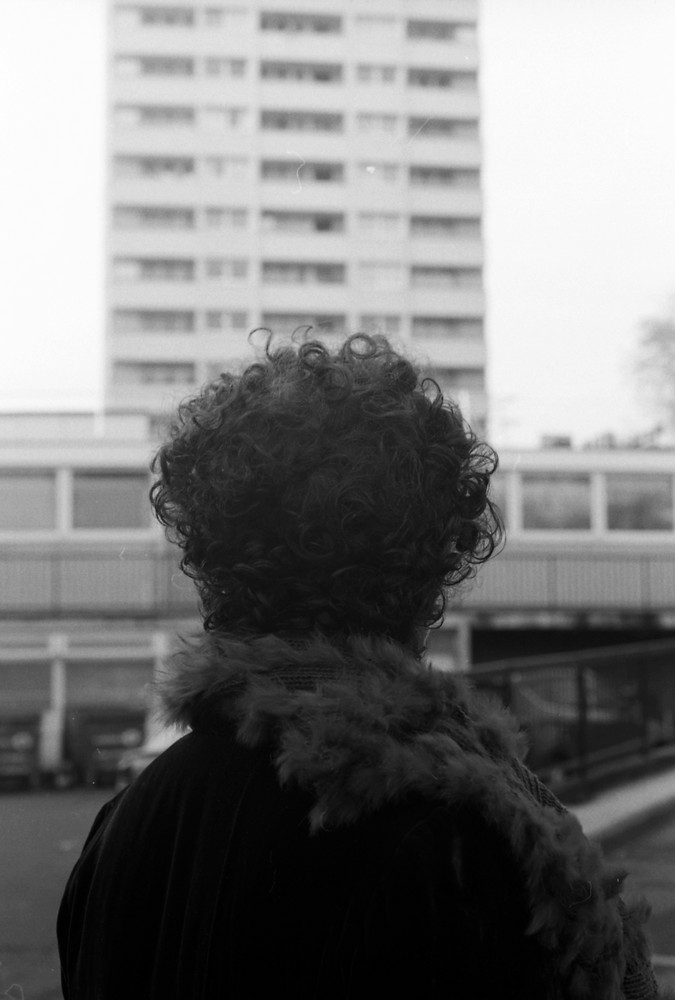
Hedonic depression in British working-class communities across the country can be seen as a product of capitalism, through a steady climb in mental instability alongside the rise of sectarianism in the treatment of minorities by the government, and financial hardships caused by cuts. This innate correlation between class and mental health fuels The Selfish Capitalist toxins that are most poisonous to well-being concluded by the delusion that material affluence is the key to fulfilment, and that access to the top is open to anyone willing to work, regardless of ethnic, family or social background- and there is only one person to blame for failure. Yourself. Heavy jumpers, denim, smudged eyes, masked faces, layers and charity shop garments- the clothes worn by the working class shows a heaviness to the lives of those affected by the class division but also a practicalness when it comes to composing individualness with repurposed second-hand attire from an innate need of material encouragement and expression. With this in consideration, we can take into thought the effects of social-political shifts in class struggle in correlation with capitalist melancholy's change on appearance and fashion trends. When operating inside the borders of fashion photography, I knew I wanted to use my project as a means to celebrate an aspect of my identity I had often was shamed for growing up. Being working class and from a council estate, I had been made to feel lesser by the government and by people around me who would make comments upon my inability to fund a luxurious life. For the longest time, my clothes had tied me to my working-class, as I have always only had charity shop clothes growing up, meaning that a lot of fashion was made inaccessible to me due to financial hardship. 'Naked' as a project came from that wanting to find relevance in my existence as a queer working-class person within fashion, by using 2nd hand clothes and British Sink Drama aesthetics to create a commentary on the way clothes are influenced by class status but also how they take control of our emotional wellbeing. Throughout the project I make references to British working-class culture, such as spilt milk to reference the Thatcher eras and unemployment in the UK, denim trousers resembling the blue-collar community, flowery face coverings mimicking the scarf masks activists at protests wear, and thrifted huge jumpers to convey the heaviness of poverty and the lack of money for luxuries such as indoor heating. All the shots were taking in and around council estates in the UK, on a Pentax analogue camera, in keeping with the continuity of the project. All models classed themselves as working class.
No categories selected
Photos (6)


