The Life After
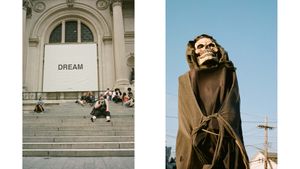
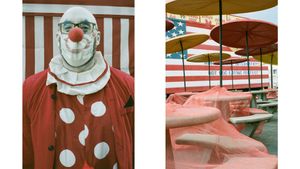
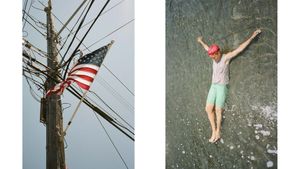
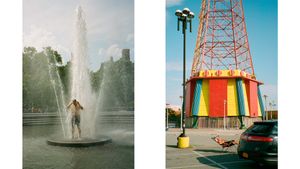
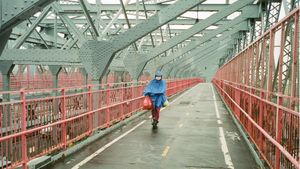
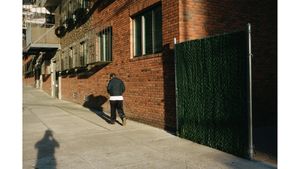
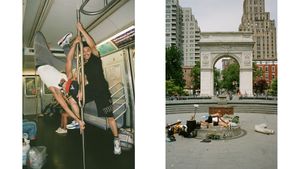
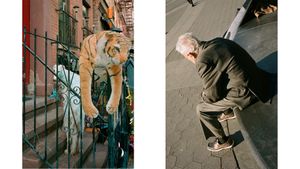
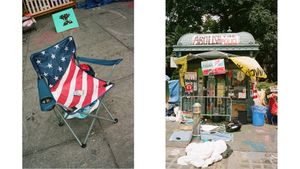
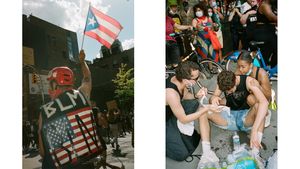
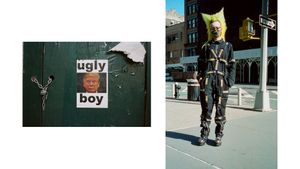
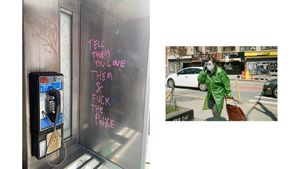
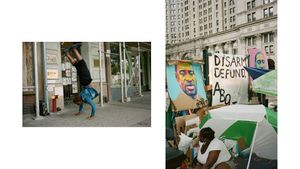
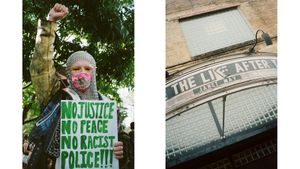
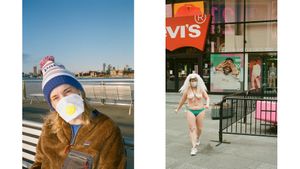
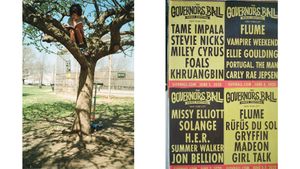
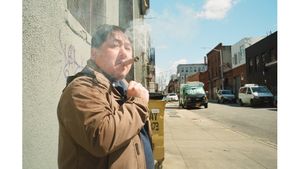
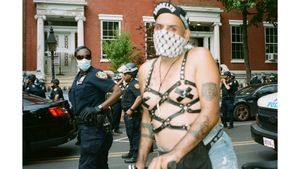
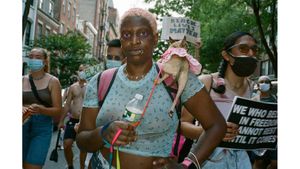
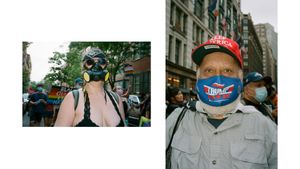
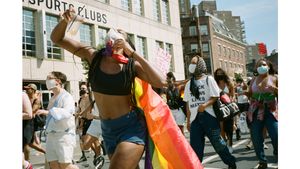
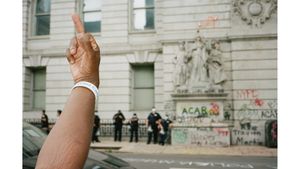
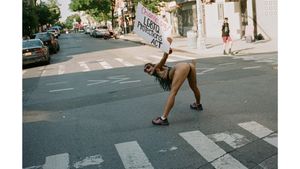
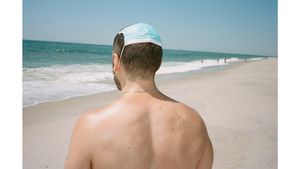
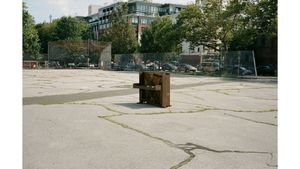
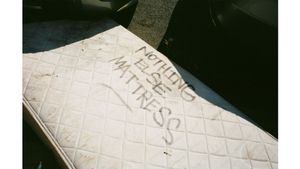
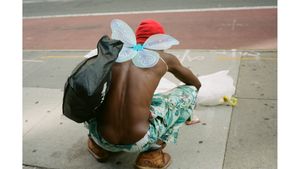
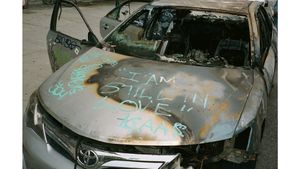
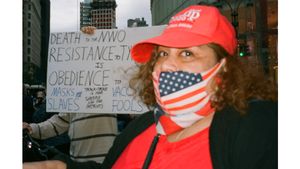
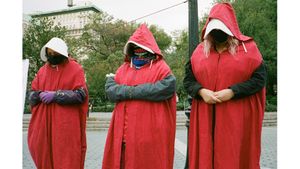
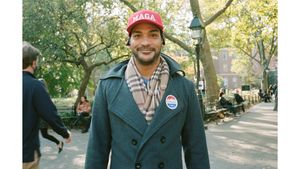
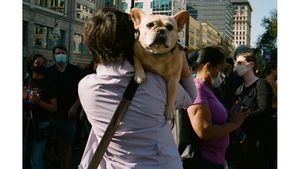
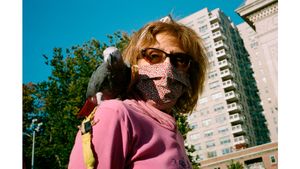
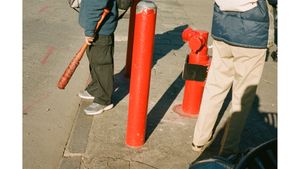
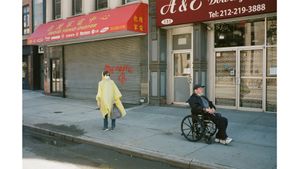
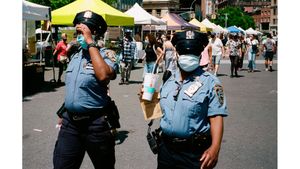
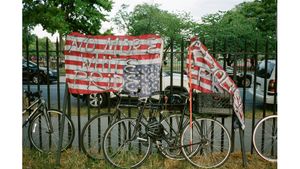
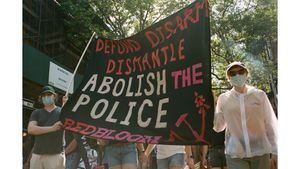
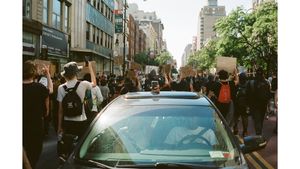
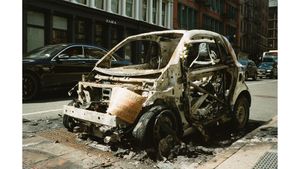
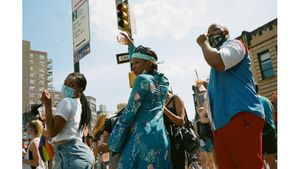
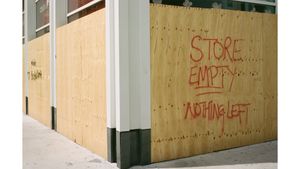
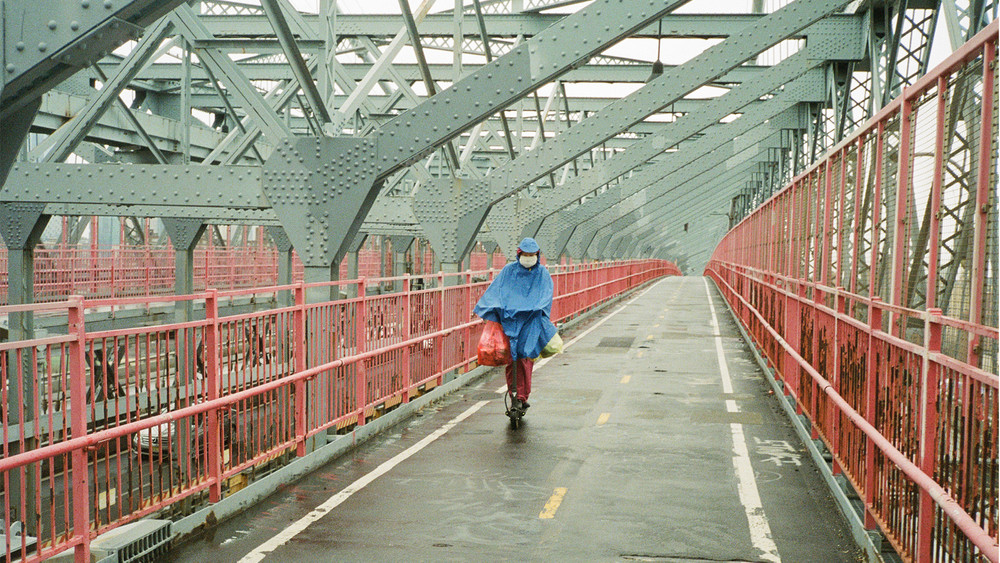
In December 2019, a novel coronavirus was identified in Wuhan, China. The world was only marginally paying attention, and things barely changed when Wuhan—a city of 11 million people, three times the population of Los Angeles—was completely shut down and everybody was required to stay home and avoid contact with others. The alarm was set off, but the world was too loud and only few people were able to listen. That’s China, it cannot happen here. It was not hard to predict how things would evolve, but of course many things seem easy in hindsight. Wuhan was a commercial center with a high volume of international air traffic. Soon enough, what was once there was no longer only there. Italy’s first coronavirus patient was detected on February 21, 2020. The news was accompanied by a mix of incredulity and surprise, until the primary hospital in the city of Bergamo—consistently ranking among the top 200 hospitals in the world—was put under the strains from an influx of people unable to breathe. Then panic followed, as the whole country was shut down and, much like in Wuhan, people were forbidden to leave their homes. But that’s Italy, it cannot happen here. Restaurants and theaters in New York City were fully booked, as many people were starting to enjoy the alluring seasonal change that Spring used to bring into our lives. A picnic at the park, a dog walk on the street side of crowded sidewalks, people standing in line to taste a cup of their favorite ice-cream. All these normal things that soon enough were not normal anymore and would become memories accompanied by feelings of nostalgia. In the span of a couple of weeks, the pandemic changed almost everything about the world we used to know: it changed the nature of our encounters, our religious celebrations, our mental and physical health, our time, our behavior, the nature of fashion and entertainment and entrepreneurship and tourism and energy consumption and work and school and returns on investments and voting and security and volunteering and family dynamics, etc. A domino effect was set in motion with no end in sight. On March 25, 911 received 6,406 medical calls in New York City—the highest volume ever recorded, surpassing the record that had been set on 9/11. As people isolated themselves in their apartments or fled the city, the only crowded places were the emergency rooms of the hospitals, where many were desperately howling: “I cannot breathe.” A few months later, the same three words were pronounced at least 28 times by an African-American man, George Floyd, before he was killed by a police officer who kneeled on his neck for almost nine minutes in the streets of Minneapolis. And suddenly, a country that had been forced into a state of introversion by the circulation of a potentially lethal virus bounced back to life animated by collective feelings of outrage and anger. Echoes of Floyd’s murder started to resonate all around the world, as they revealed deeply ingrained issues of systemic injustice that too often had been kept under the surface. Once Lenin famously said that “There are decades where nothing happens; and then there are weeks where decades happen.” The weeks following the outbreak of coronavirus in New York City and Floyd’s murder where some of those weeks, and this project narrates their story up until things calmed down with the election of America’s 46th president. A cycle of Spring, Summer and Fall. The eyes are Paolo’s, the city a New York in a state of transition—from the center of the world to the epicenter of the Covid-19 pandemic to again a center of collective action against system injustice. The camera here—a 35mm point & shoot—does not pay much attention to shape and technicalities, and instead decides to listen carefully to its surroundings. In doing so, it documents an extraordinary moment of time, a transformation revealed through the eyes of the people who were there and their effects on the spirit of the streets. A new normal is what was left in The Life After.
No categories selected
Photos (75)