
Private Memories in Public Places
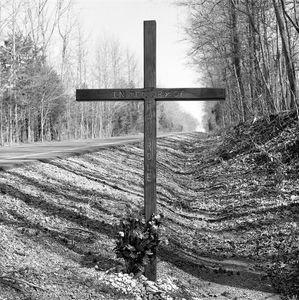
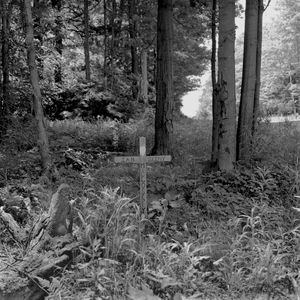
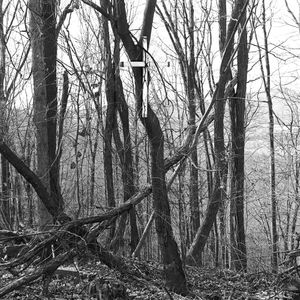
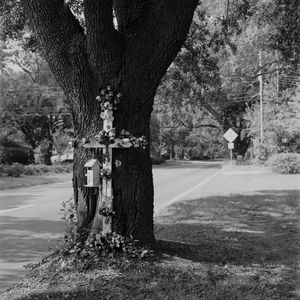
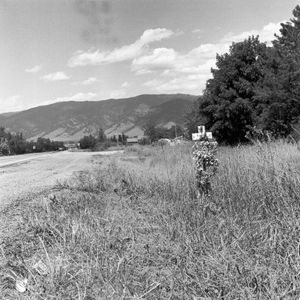
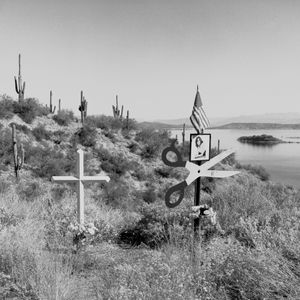
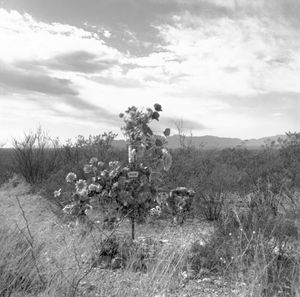
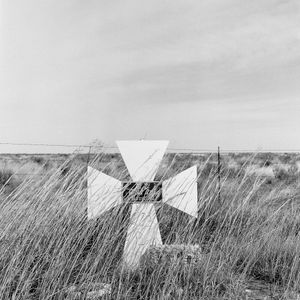
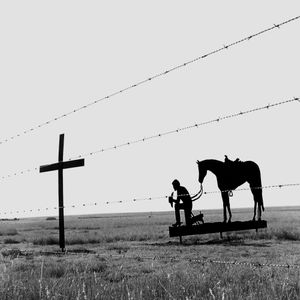
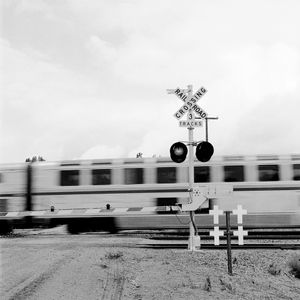
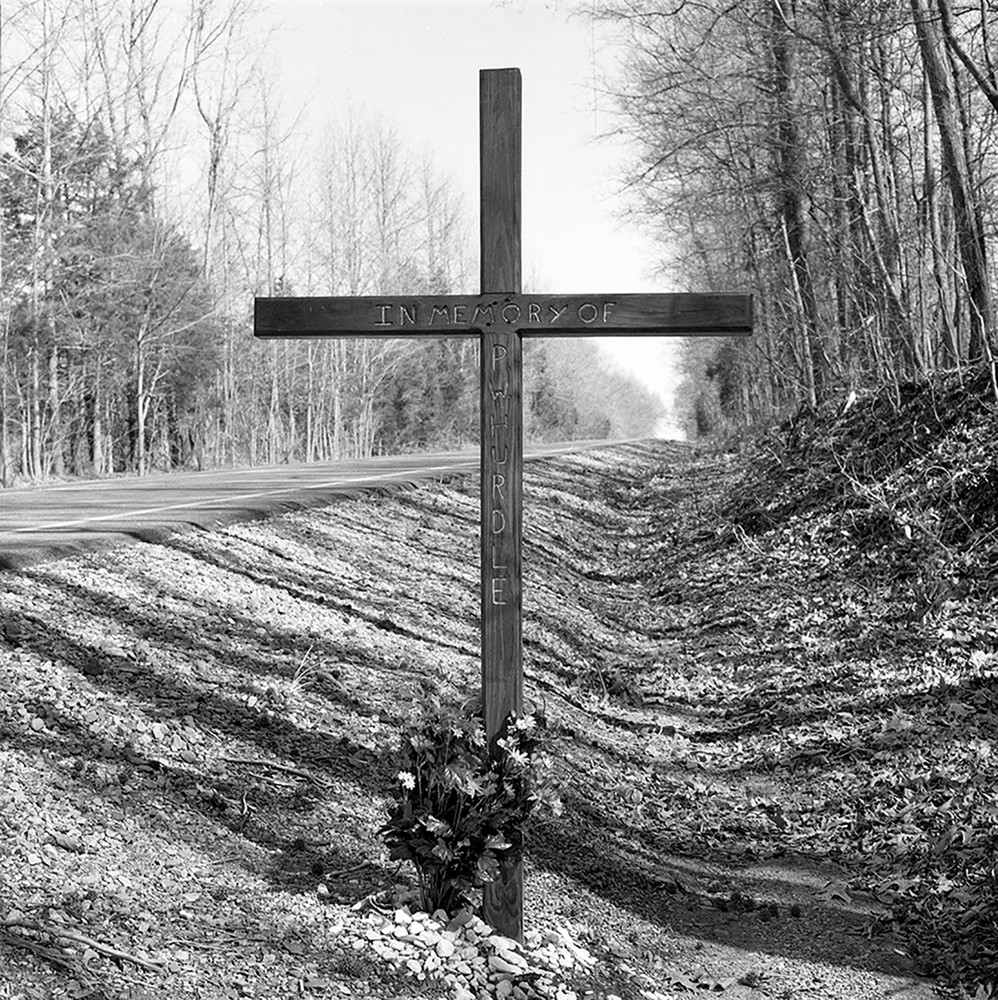
The roadside memorials that dot our highways and city streets are a recent addition to the landscape. In 2005, while on one of my many road trips, I became acutely aware of the crosses that had been placed along the side of the road, memorializing loved ones who had died there. Since then, I have driven more than 20,000 miles in pursuit of them. Most of us barely notice them as we drive along, but these memorials have become an integral part of the national landscape. They have evolved into a folk art that is not limited to a particular ethnicity or region. Perhaps we don’t notice them because they have become so common that they no longer arrest our attention. And perhaps it’s because they fit so naturally into the landscape. I see the monuments as something primarily joyful and celebratory; they are more about honoring a life than mourning a death. As I look at them, I am struck by the obvious care, time and work that went into their creation. They are intended to be permanent and to be visited again and again. Their care and beauty are evidence of the love the person aroused in their families and friends. Sometimes the memorial appears to have been abandoned, reminding us that life moves on. There has been much debate over whether these monuments are a nuisance that should be removed, or whether they are sacred items to be respected. While people are usually blamed for blighting the scenery, I see these as little works of art that enhanc
No categories selected
Photos (10)