The Eyes of Earth( Death and revival of Iran's Lake Urmia)
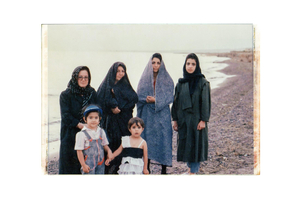
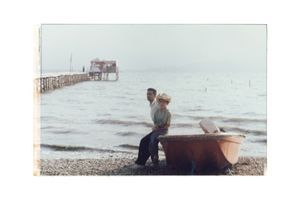
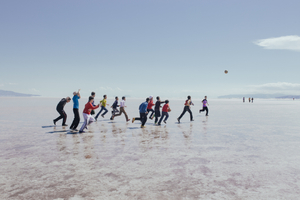
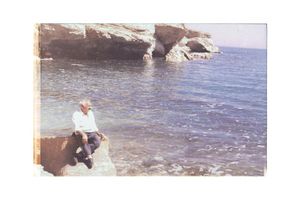
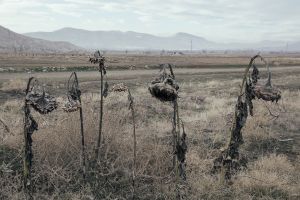
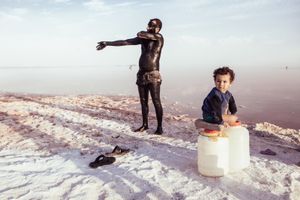
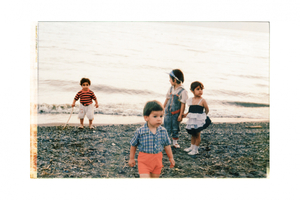
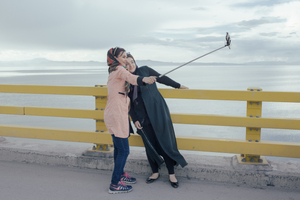
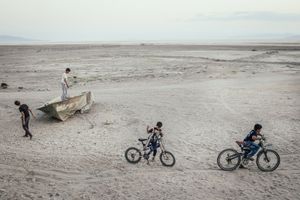
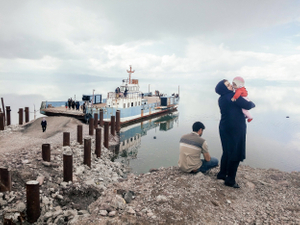
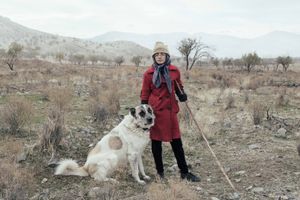
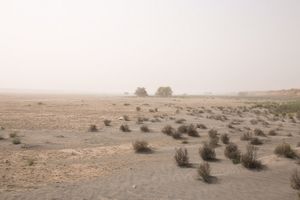
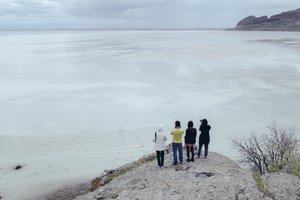
The Eyes of Earth Lake Urmia is located in the northwest of Iran. It was once the biggest salt lake in the Middle East and sixth biggest salt lake on earth situated between two neighbouring provinces (East-Azerbaijan and West-Azerbaijan) in Iran. It was home to many pelicans and flamingoes.10 years ago; the lake was still a popular destination for vacationers. My extended family on my mother’s side born and lived in Sharafkhaneh port. The town used to be one of the heavily travelled touristic villages on the north coast of Lake Urmia. My grandfather had built a motel beside the lake, and my uncles were sailors. Less than a decade ago, my grandfather hosted dozens of tourists a day in the summers, with his two sons taking them on boat tours. During the past 20 years, approximately 80% of this lake dried due to climatic changes and excessive dams constructed on the lake’s basin river in this area. At the moment, hopes for the salt lake’s survival have been revived after 2018 torrential rain has boosted a government program aimed at preserving it before it dries up. The desiccation is one of the most unfortunate environmental disasters of Iran in recent years. It will increase the frequency of salt storms that sweep across the exposed lakebed, diminishing the productivity of surrounding land and encouraging farmers to move away. As the lake dried up, agriculture waned which caused my grandparent’s garden dry and deserted. My childhood in Sharafkhaneh seems like a long time ago. The motel abandoned, and the almond trees have withered. The port today is a sparsely populated village where most people are old, and it no longer resembles the place where I left my childhood memories. The project investigates the impacts of drying of Urmia Lake on people and the environment around it and to demonstrate environmental, economic, physical and social changes that happened after lake shrinking. (Year 2014-Ongoing)
No categories selected
Photos (52)