
Came frome the sea
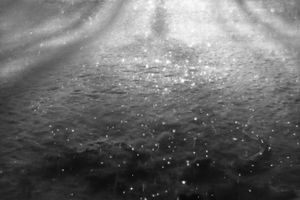
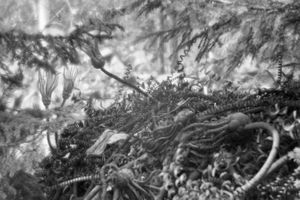
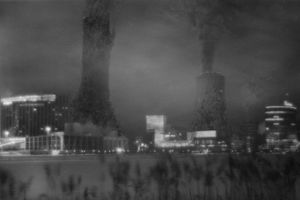
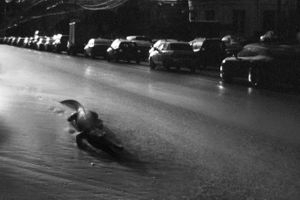
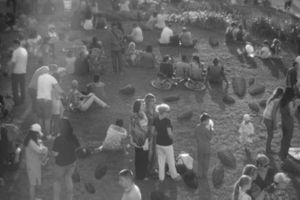
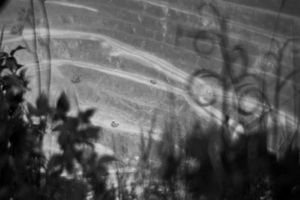
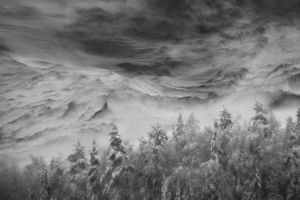
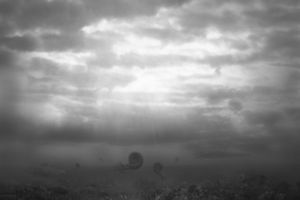
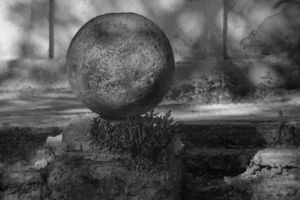
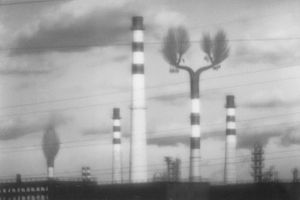
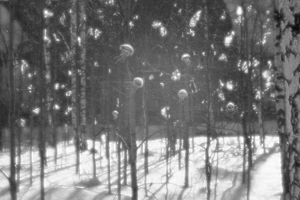
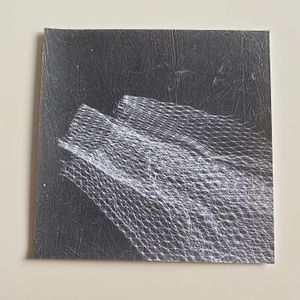
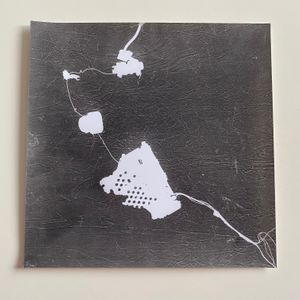
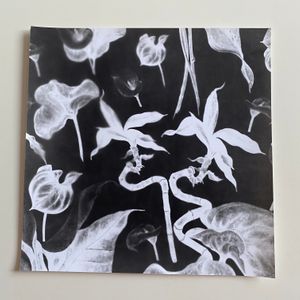
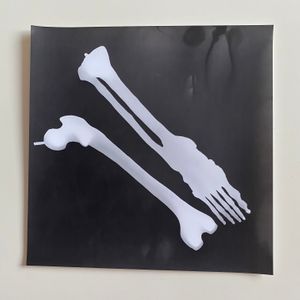
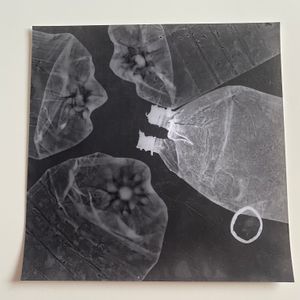
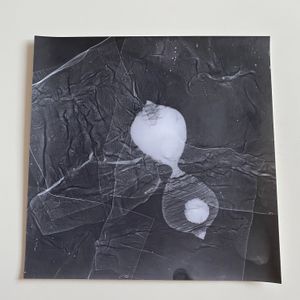
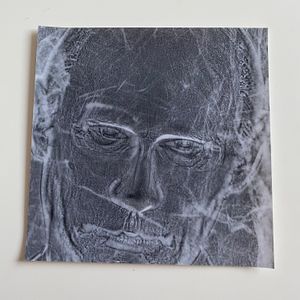
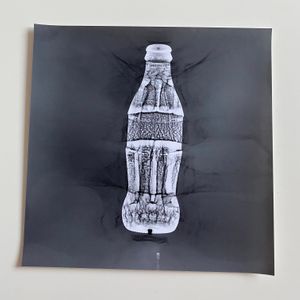
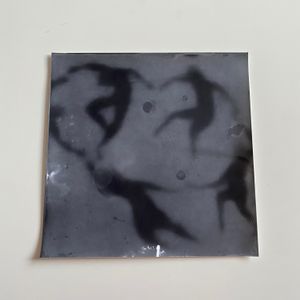
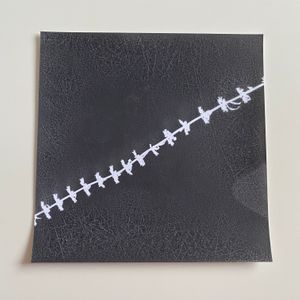
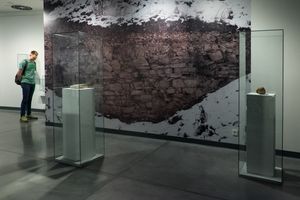
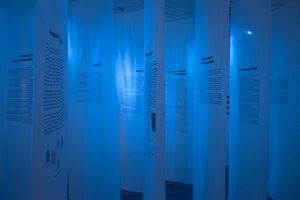
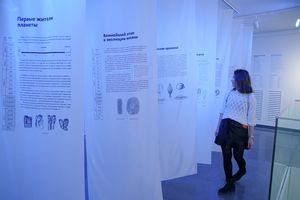
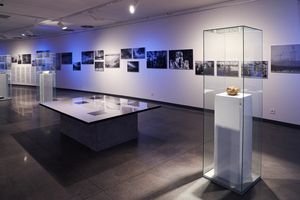
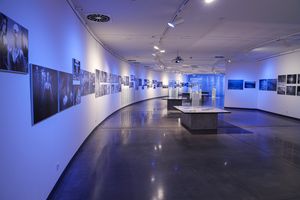
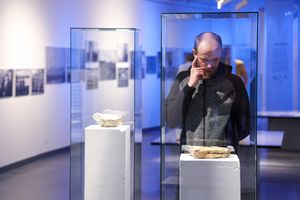
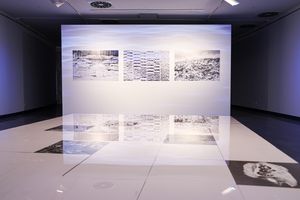
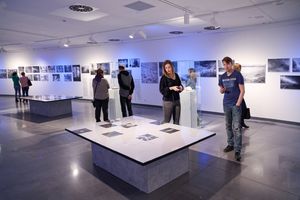
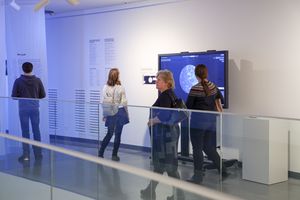
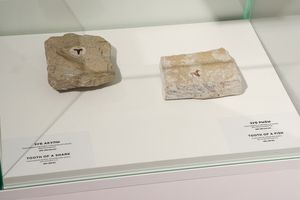
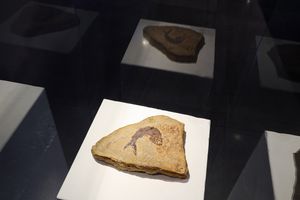
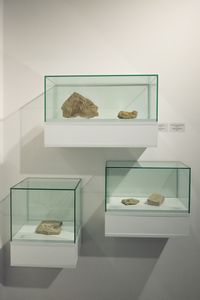
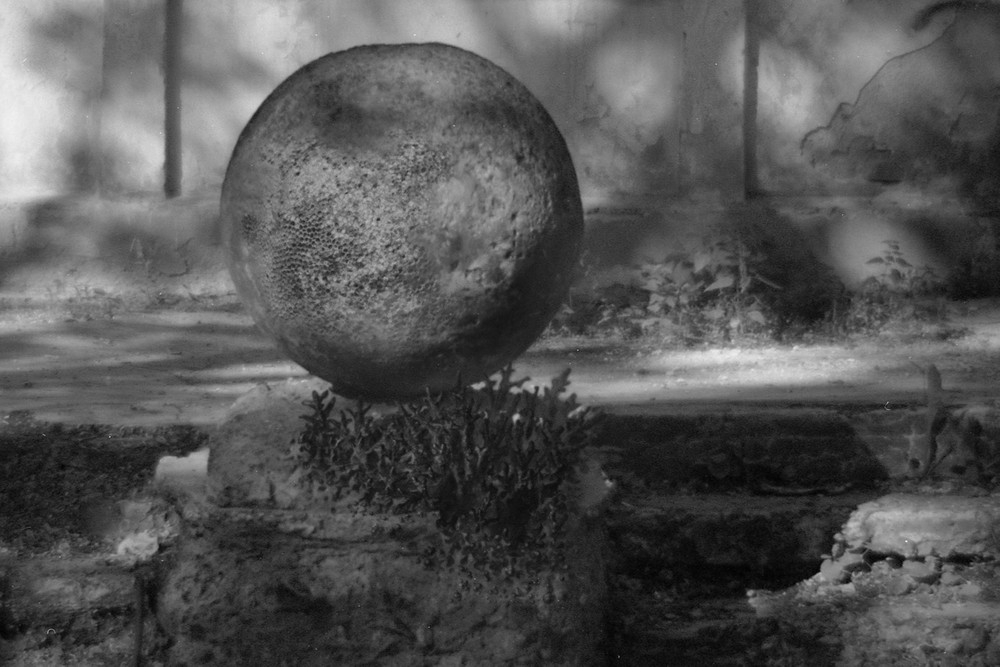
Science art project dedicated the evolution of climate and landscapes of the Earth, their past and future. Petrified pages of memory of the Ural Ocean and the Great Perm Sea, which existed in the Ural Mountains in the Paleozoic era, reemerging in the Anthropocene epoch. The exposition introduces the viewer to the most ancient period of the Earth’s development – from its formation until the end of the Paleozoic era. Nowadays, the climate change and the reformation of the continents are worrying more and more people including researchers, scientists and, of course, artists, who have realized themselves as direct participants of these processes. These concerned people have been working on the exhibition for four years. The exhibition consists of several parts. It is based on black and white images combining photography and graphic art. They were created by photographer Natalia Podunova and artist Anastasia Rostova. The photos were taken with the help of a special lens – a monocle. The graphic images were made using various graphic materials and techniques, such as sepia, coal, paper, cardboard, and computer graphics. Photographs as documentary evidence of facts do not raise any doubt and at first glance, they seem authentic. However, the photos take the viewer into the game. If you look closely, you can notice unfamiliar objects, and the longer you look, the more details and associations will show up. Photograms by Natalia Podunova – images created on photographic paper without using a camera are displayed on the pedestals in the central part of the exhibition space. They imitate the fossils of objects and material fragments characteristic of modernity. This is a kind of an ‘inverted wormhole’ which goes from the future to the present. The images illustrate the principle of incompleteness of the stratic and paleontological chronicle. The idea of it was first expressed by Charles Darwin in The Origin of Species, and later it was further developed by many scientists. According to this principle, only a small part of the organisms that inhabited the Earth in the past is represented in the geological layers. Besides, we don’t know their color, character, or history of their relationship with each other. The viewers have an opportunity to try themselves as the paleontologists of the future and try to restore the whole picture of the ancient, long-gone era by the fragments of material history that are displayed. In the documentary part of the exhibition, the viewers get acquainted with material evidence of life during the previous eras: fossils of trilobites, ammonites, bryozoans, brachiopods, sea urchins and other inhabitants of the sea who lived in the Urals 300-500 million years ago. The exhibits displayed here have been provided courtesy of the Krasnoufimsk Museum of Local Lore and are surrounded by photographs of stratigraphic and paleontological chronicles. Besides, here texts printed on silk canvases indicating the important stages of the evolution of the Earth are displayed, which represent the key to understanding not only the past and the present, but also the future of our planet. On the virtual interactive map by Ian Webster, one can choose a geographical point, time period and see how the Earth looked in different eras, how the continents drifted and changed the surface of our planet. The sound art of the composition the Ural Ocean by Tatiana Zobnina is based on the self-perception of the geochronological scale by different people. The Cenozoic era began 62 million years ago and continues until today. We are aware of this fact, actually living in the current period, in all details, although in relation to the age of the Earth it is a very small period of time. The Proterozoic era, which lasted for almost two billion years, is described in geography textbooks and represents in your mind. In the course of its existence on Earth Homo sapiens changed the sound landscape of the planet. The noise of a modern city with its highways, construction sites, and supermarkets determines our audio experience. The sounds of the ocean are kept in our memory – but in our reality we hear the sounds of highways. The sounds of cars oncoming and move away along a distant highways on a quiet night can remind us the sound of sea waves. The composition was created using two artificial neural networks, randomness and human imagination. Every 15 minutes a new composition is randomly generated according to the algorithm. The starting point for the creation of the Ural Ocean was the geochronological scale of the history of the Earth’s development, the corresponding duration of periods, some personally sound recordings of the Pacific Ocean, and a sequence of coincidences. The disappearance of the Aral Sea and eventual disappearance of the Dead Sea in the near future concerns people: the usual way of life is changing, familiar economic models are threatened, and the influence of religions encourages dystopian sentiments. We wanted to look much further than the existence of people on Earth and even further than dinosaurs. Our story is about the eras of thalassocracy, the times of sea domination, and geocracy, which comes to replace them – the domination of mountains.
No categories selected
Photos (38)