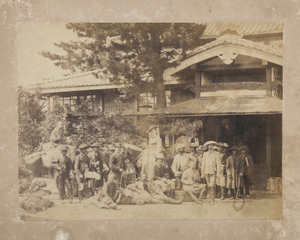
The Yokohama Project 1867-2015
Felice Beato, Mathilde Ruinart and Giada Ripa: a conversation among 3 artists and their Western vision of Japan over a 150 year span.
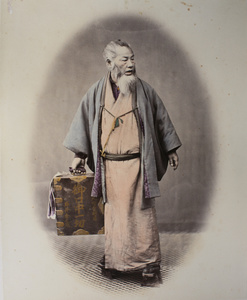
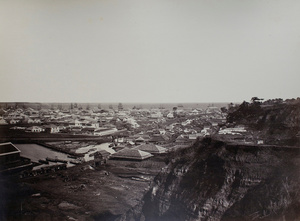
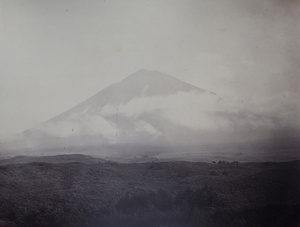
Rummaging through boxes long forgotten in an attic of my family house in the Italian region of Piedmont, I came across an album of old photographs, fifty-three hand-colored albumen prints of portraits and views of the city of Yokohama and its surroundings, all in pristine condition.
The photographer is Felice beato: the first visual narrator of 1860’s Japanese society.
He established in Japan when it had just opened its doors to the western world in a period during which the Shogun had forbidden access to foreigners except as part of diplomatic missions. For over fifty years, until the early twentieth century, Beato's photographs of Asia constituted the standard imagery used in travel diaries, illustrated newspapers, and other published accounts, and thus helping shape "Western" notions of Asian society.
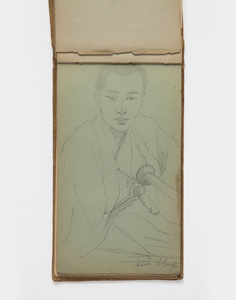
Coincidentally, in parallel, a few months later, I found an unpublished manuscript of Mathilde Ruinart, an ancestor of mine, an artist and muse to several intellectuals, who left for the Orient in 1867, along with her diplomat husband, providing a vivid description of it.
From her “Carnets de Voyage” and “Voyage au Japon” emerges the friendship with Felice Beato explaining how the album ended up in the house.
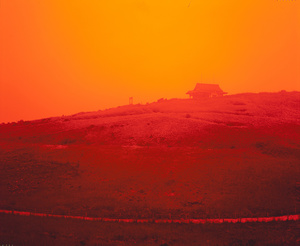
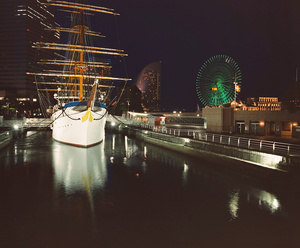
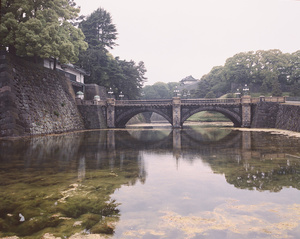
In my role as photographer, video maker, archivist and anthropologist, I am acting as the link between Beato’s images and the figure of Mathilde, following their respective footsteps and attempting, through my western prism, to identify local contemporary analogies, (and convey 150 years later, the transformations of society and landscape in Yokohama and its surroundings)
The future work solicited by “Native types and views of Japan and historical notes” by Felice Beato and “Voyage au Japon ” and travel diaries of Mathile Ruinart will be produced mostly in Japan.
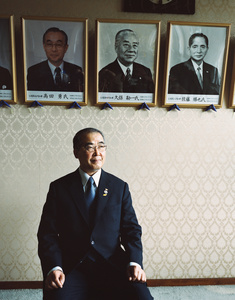
It will combine a video of the finding of the album and images of; new social Japanese topographies, a series of planned portraits of professions and contemporary Japanese and text, in collaboration with Japanese artists and anthropologists.
All in parallel and in dialogue with Felice Beato and Mathilde Ruinart’s unique world and vision of the Orient.