Giro d'Italia

Photos (30)

Cover
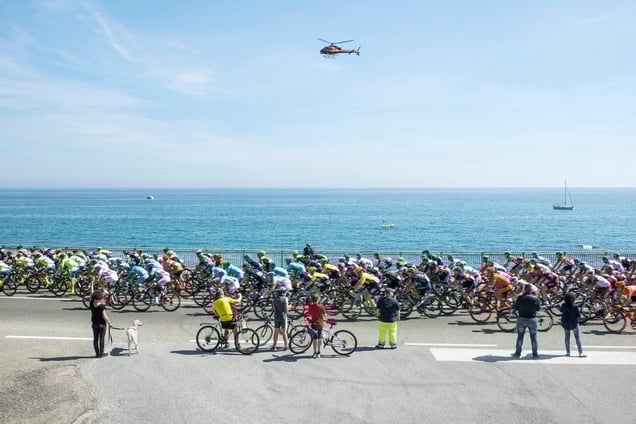
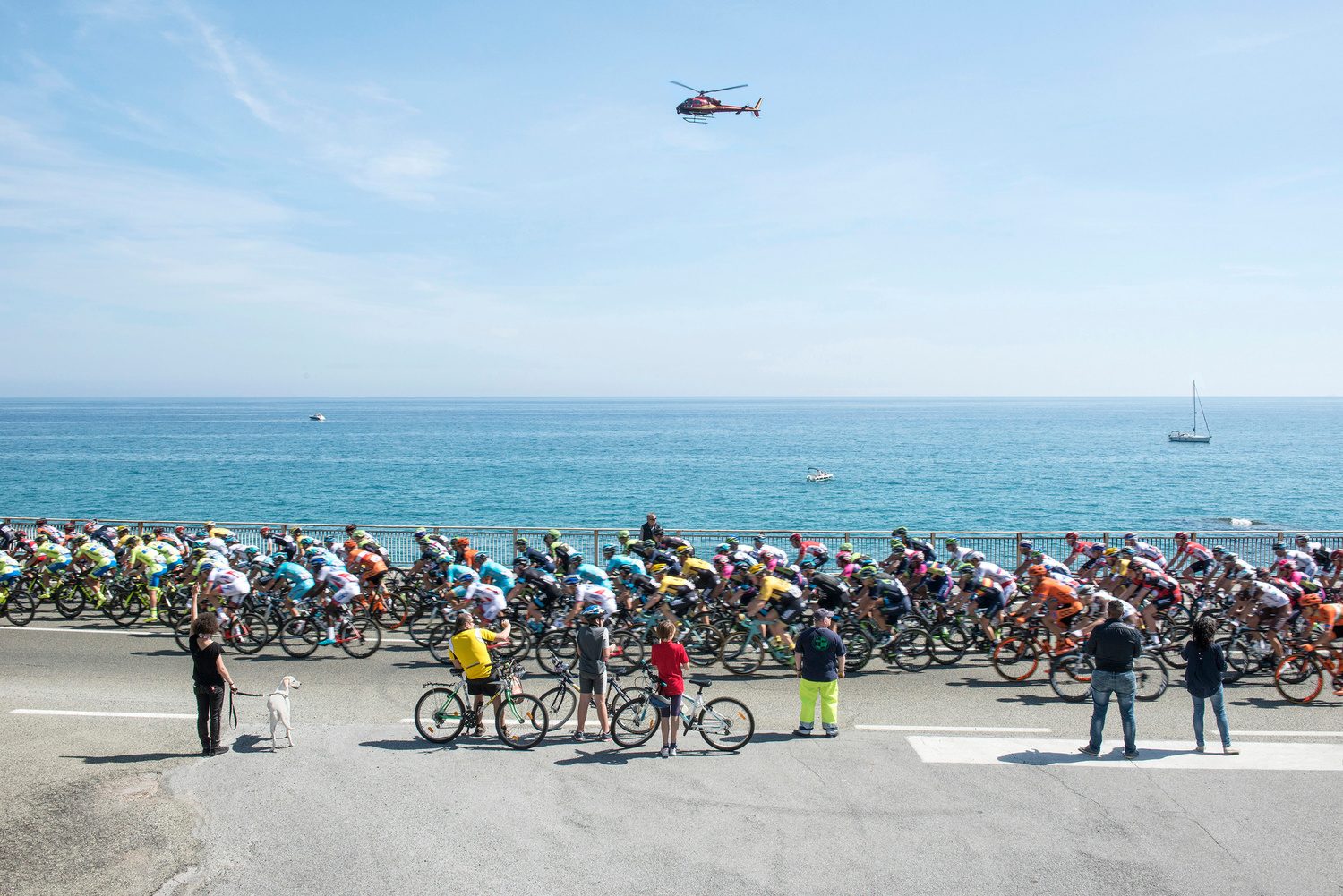
Stage: Liguria. Celle Ligure. Along the coast of the western Riviera, this stage has a mainly level route facing the Ligurian sea.
File: 001.jpg
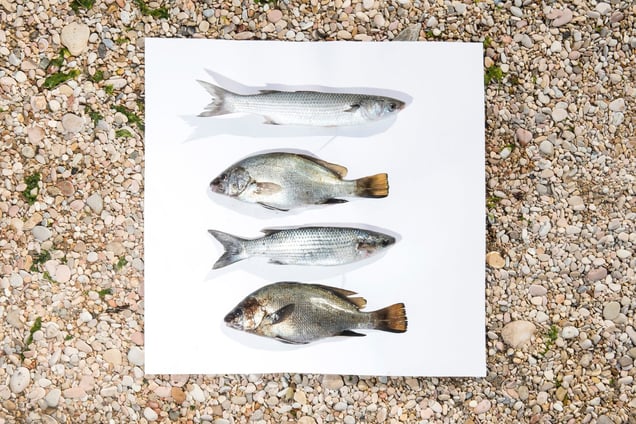
Stage: Liguria. Typical fishes of the Ligurian coast, muggini and ombrine.
File: 002.jpg
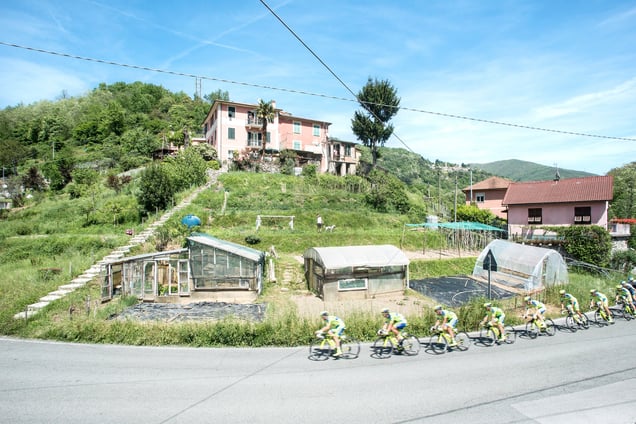
Stage: Liguria. Acqua di Ognio. This stage has a mostly challenging and rough course with a total difference in altitude of nearly 2300 meters over 136 km.
File: 003.jpg
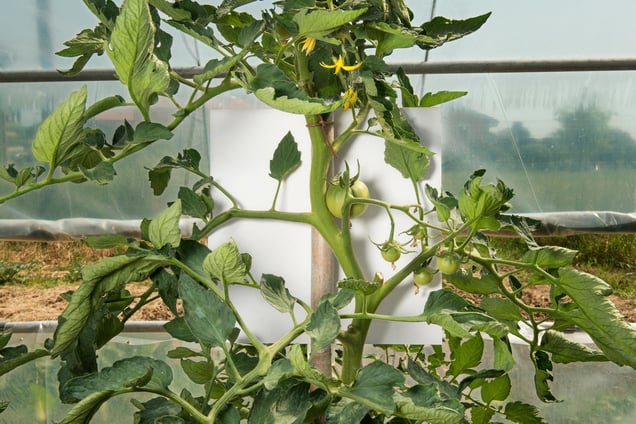
Stage: Liguria. Acqua di Ognio. A greenhouse's spring tomatoes, in the Ligurian mountains.
File: 004.jpg
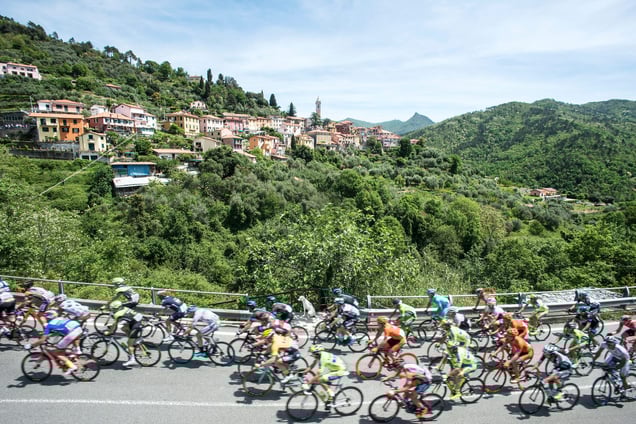
Stage: Liguria. This stage is short but very technically demanding and intricate.
File: 005.jpg
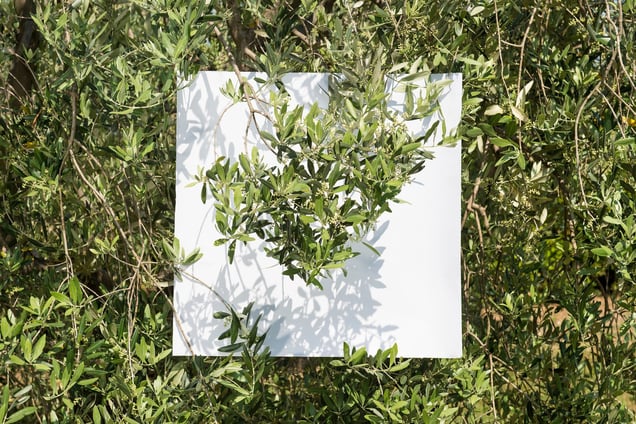
Stage: Liguria. Olive tree of the Ligurian mountains. Taggiasca is a cultivar of olives grown in this area.
File: 006.jpg
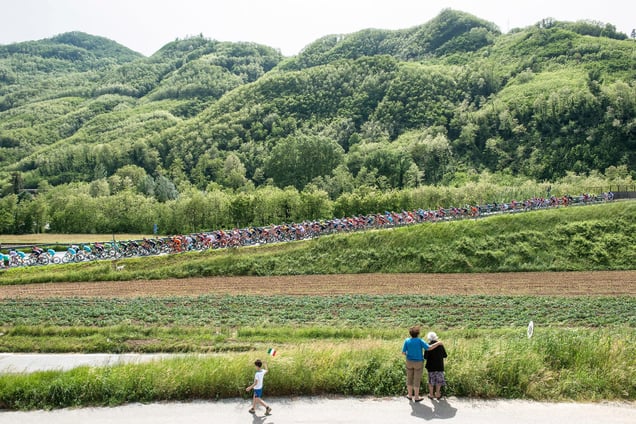
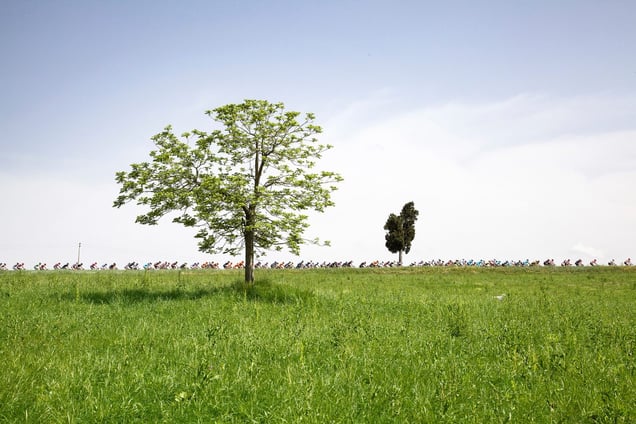
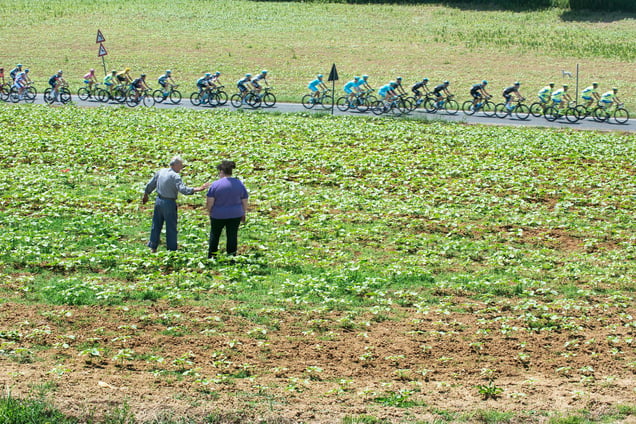
Stage: Tuscany. Garfagnana. This stage is the first summit finish.
File: 007.jpg
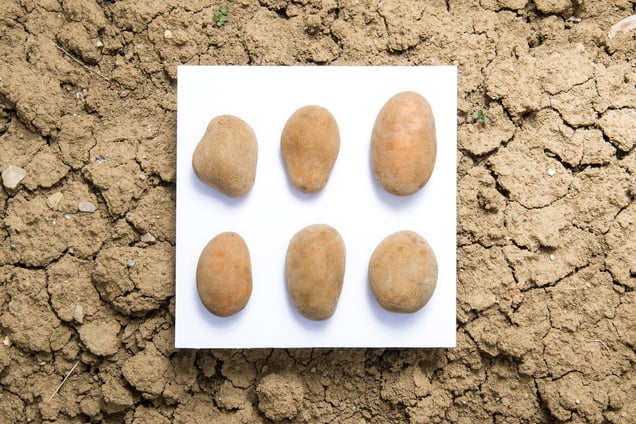
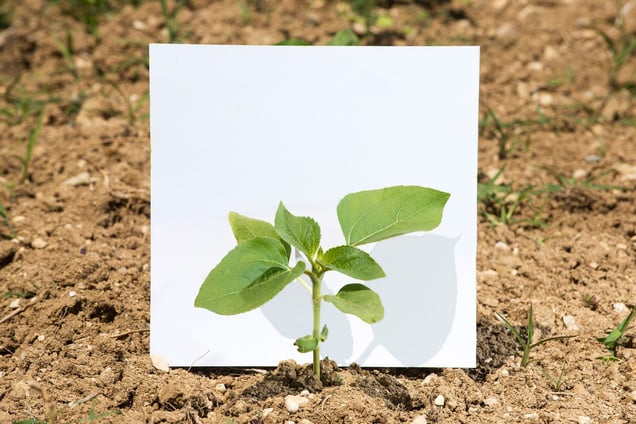
Stage: Tuscany. Garfagnana. Potatoes plantation, typical of this mountain area.
File: 008.jpg
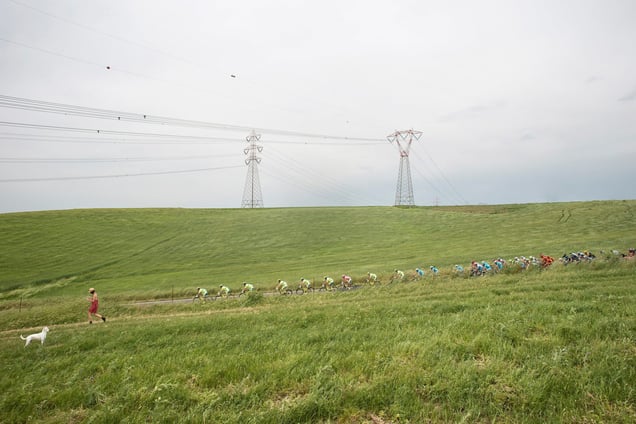
Stage: Tuscany. Volterra and its metal-bearing hills.
File: 009.jpg
Stage: Tuscany. On the  hills of Volterra, in the southern part of Tuscany, we find Medicago sativa. Also called lucerne, this is a perennial flowering plant, cultivated as an important forage crop in many countries around the world.
File: 0010.jpg
Stage: Lazio. Tuscania. According to legend, Tuscania was founded by Aeneas' son, Ascanius. It was here that he found twelve dog pups—hence the Etruscan name, Tus-Cana
File: 0011.jpg
Stage: Lazio. Wheat fields in the Tuscania hills.
File: 0012.jpg
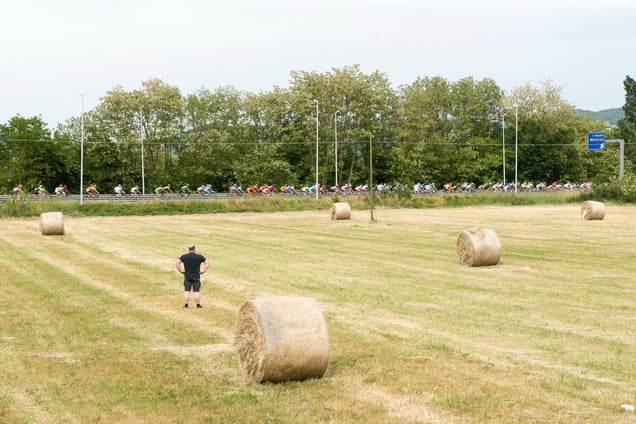
Stage: Abruzzo. Campitello Matese. This mountain stage passes through one of the greenest regions in Italy, due to the fact that 1/3 of its territory has been set aside as national park/nature preserves. When the 19th Italian journalist Primo Levi visited Abruzzo he described it as "strong and gentle," which he said, best synthesized the beauty of the region and the character of its people.
File: 0013.jpg
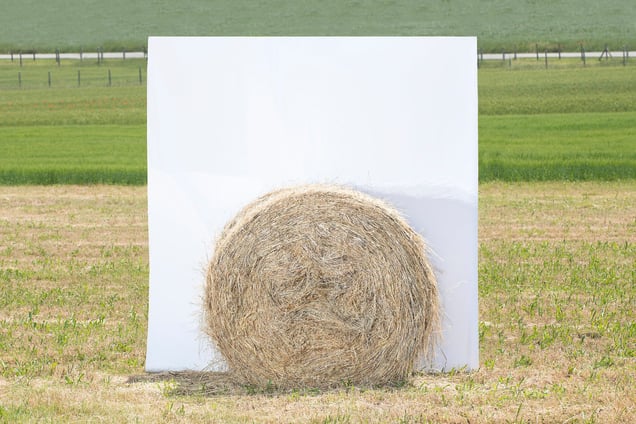
Stage: Abruzzo. Hay bale fields, dried grass to feed animals. In this preeminently green region, there are three national parks, one regional park and 38 protected nature reserves. It is called "the Greenest Region in Europe"
File: 0014.jpg
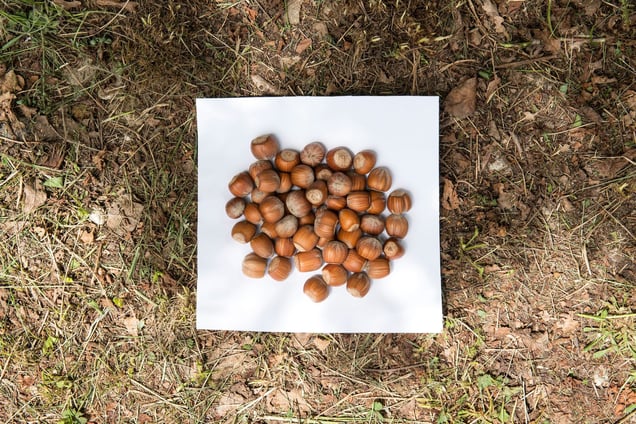
Stage: Campania. Irpinia.The name "Irpinia" derives from the Oscan word "hirpus," which means wolf. The wolf remains Irpinia's symbol to this day. In this very wavy stage, the landscape is filled with hazelnut trees. These treets produce one third of the country's hazelnuts.
File: 0015.jpg
Stage: Campania. On a hazelnut plantation, typical of this area in the south of Italy.
File: 0016.jpg
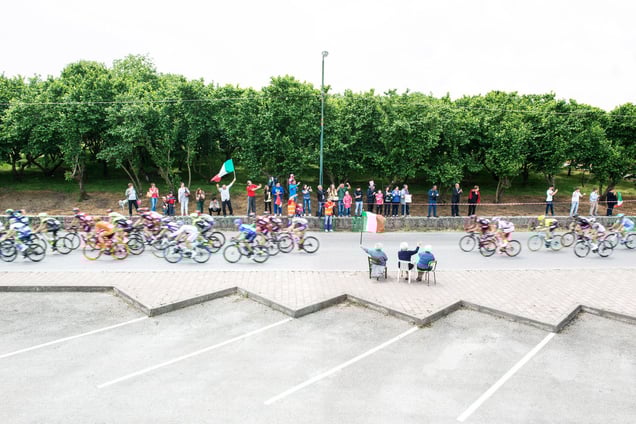
Stage: Marche. Castelfidardo.The stage is entirely flat and covers almost the whole of the Adriatic coastal road.
File: 0017.jpg
Stage: Marche. A sunflower plantation, typical of this area in the center of Italy.
File: 0018.jpg
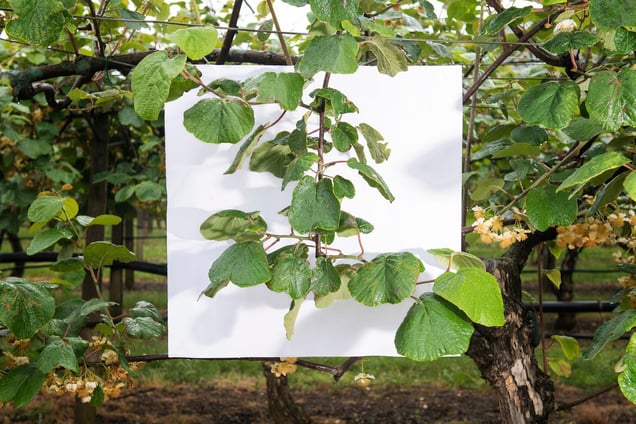
Stage: Emilia Romagna. Brisighella, Appennino Tosco-Romagnolo. Passing a kiwi plantation, typical of this area.
File: 0019.jpg
Stage: Emilia Romagna. With an annual output of 384,000 tons, Italy is the world's foremost kiwi fruit producer.
File: 0020.jpg
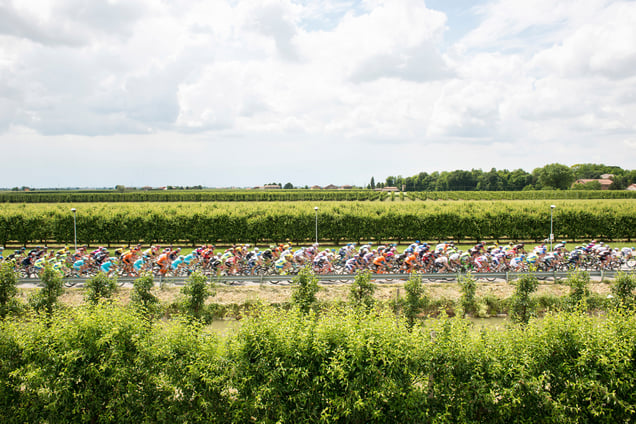
Stage: Emilia Romagna. The first 130 km of this stage, across the famed Po Valley, are mercifully flat.
File: 0021.jpg
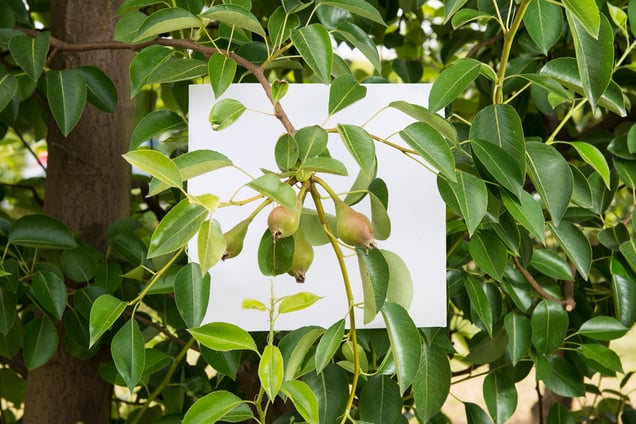
Stage: Emilia Romagna. Pear trees, are ypical of this area. Emilia Romagna is one of the bigger producers of this fruit in all of Europe.
File: 0022.jpg
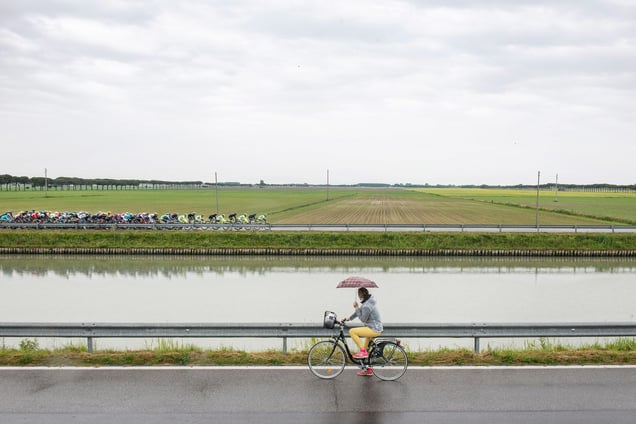
Stage: Veneto. The mouth of the Piave River. In 1918, at the end of World War I, this was the scene of Battle of the Piave River. It was the decisive battle of the war on the Italian Front, a moment when the Austro-Hungarians were definitively turned back. Thus, in the Italy, the river is called "Fiume Sacro alla Patria" (Sacred River of the Homeland).
File: 0023.jpg
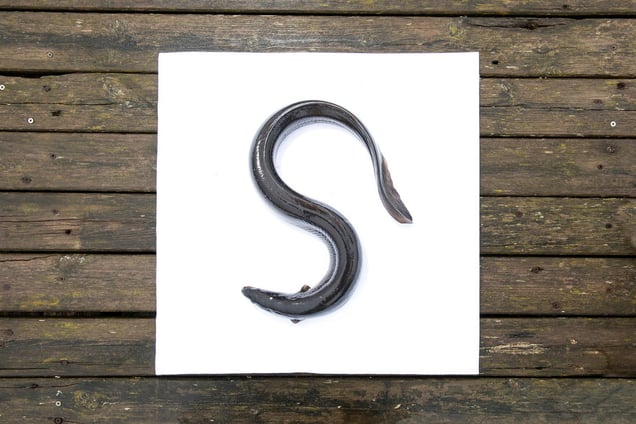
Stage: Veneto. Eel, a local river delicacy.
File: 0024.jpg
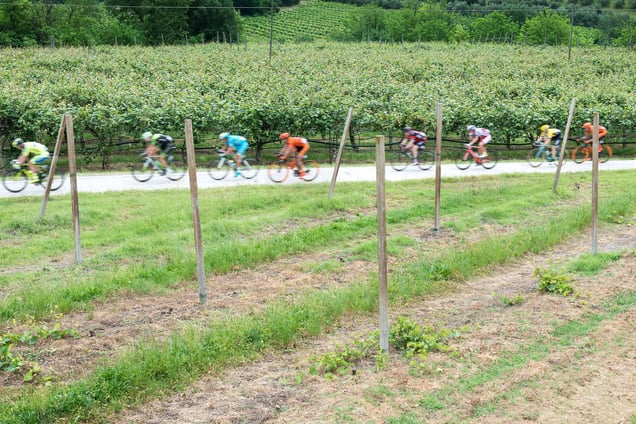
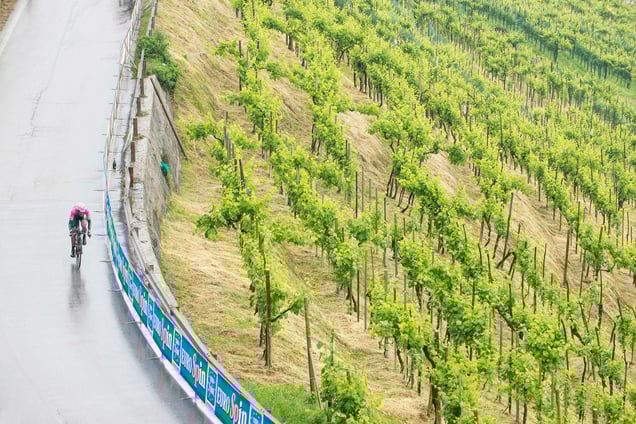
Stage: Veneto. Valdobbiadene. This long and challenging time trial stage is raced against the background of a Prosecco vineyard.
File: 0025.jpg
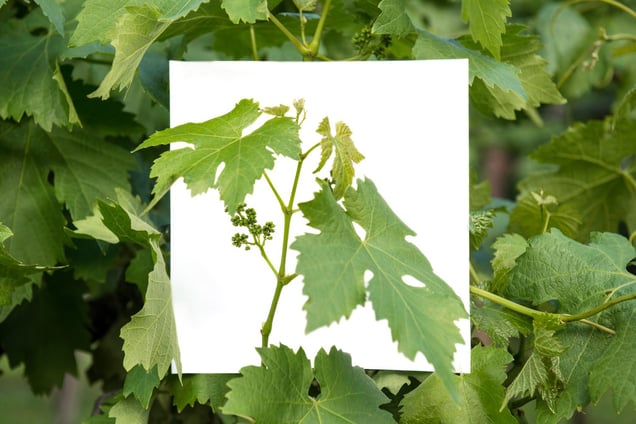
Stage: Veneto. Approximately 150 million bottles of Italian Prosecco are produced annually. As of 2008, 60 percent of all Prosecco is made in the Conegliano and Valdobbiadene area.
File: 0026.jpg
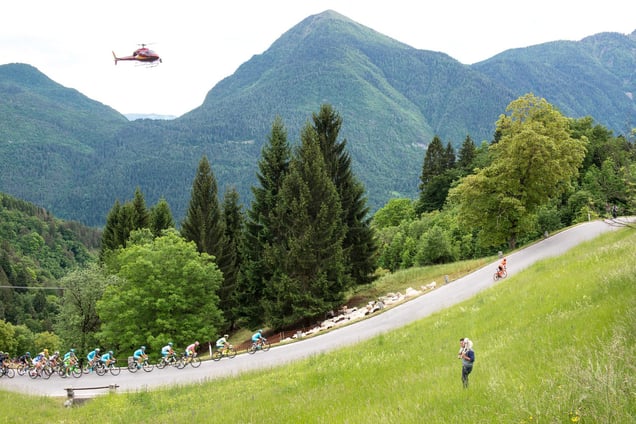
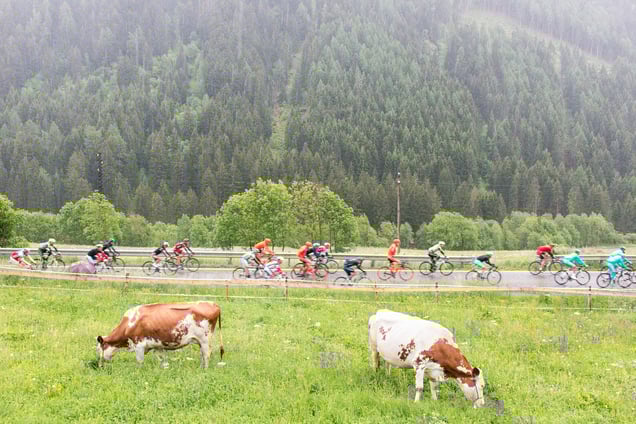
Stage: Trentino Alto Adige. Madonna di Campiglio. A high mountain stage with a challenging summit finish.
File: 0027.jpg
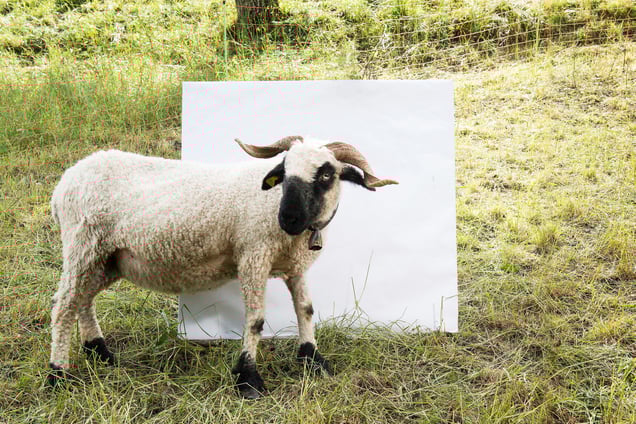
Stage: Trentino Alto Adige. Transumanza (transhumance) is the seasonal movement of people with their livestock between fixed summer and winter pastures. In this area, the practice of driving herds to upland pastures in summertime dates back to time immemorial.
File: 0028.jpg
Stage: Lombardia. Edolo, Val Camonica.This is a high mountain stage, with a total difference of altitude of 4500 meters.
File: 0029.jpg
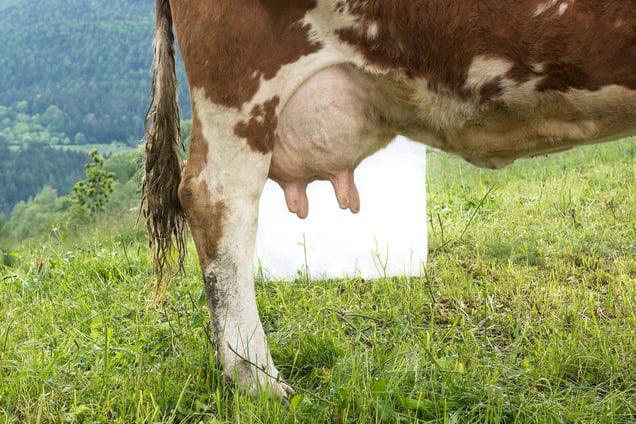
Stage: Lombardia. In this region (and from these cows), we find the very best of Italian milk.
File: 0030.jpg