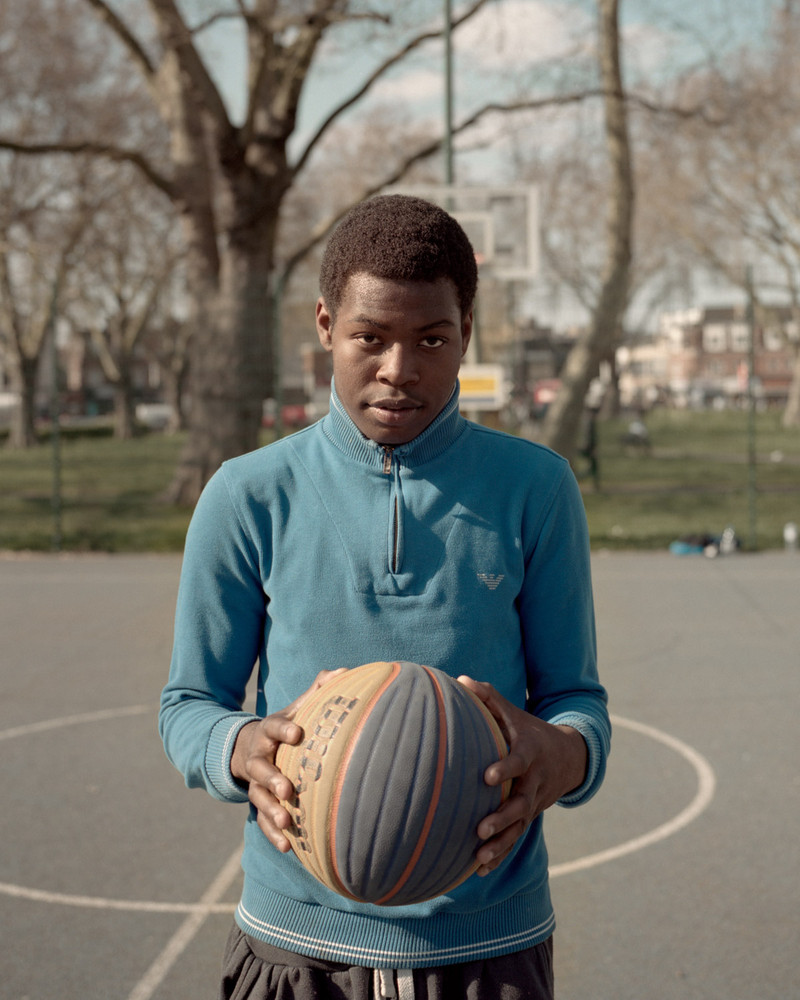
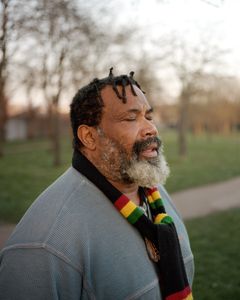
Tottenham was my home. It was the house on Nursery Street my Mum was raised in by her Grandparents after her Mother passed. The same roof she would later raise my Sister and I under. It was where I could hear a goal from the window before seeing it on the TV. It was where I spent hours on my bike in the street and where I was hit by a car. It was where I went trick or treating on Halloween and where our family car was set on fire after a joyride. Tottenham was where my Granddad Stan would take a three-year-old me into the bookies and where he spent in his final moments. Like all these memories, Tottenham is a neighbourhood of complexity. Areas of poverty are surrounded by prosperity. Council homes are next door to million-dollar apartments. Food banks and £6 craft pints are on the same street. The presence of the new billion-dollar football stadium and the wealth that it brings to the area cannot be understated. This development has caused a dramatic increase in high rise building projects and "new money residents”. The periphery of this glass colosseum, however, does not reflect this economic change. Instead, the blocks of flats, locally named 'Love Lane' and the neighbouring high street are completely overshadowed by the stadium with no so-called trickle-down effect, but rather a clear divide. Tottenham has some of the highest rates of knife crime and unemployment in London, however many longtime residents now also fear the loss of their homes, businesses and community.