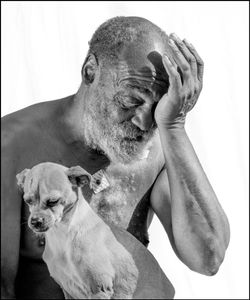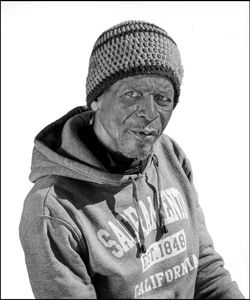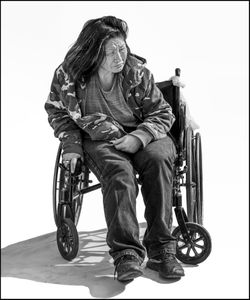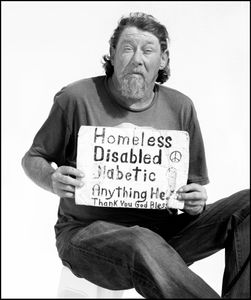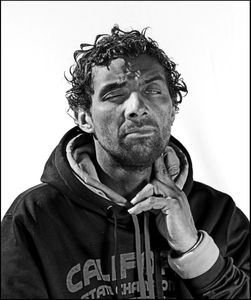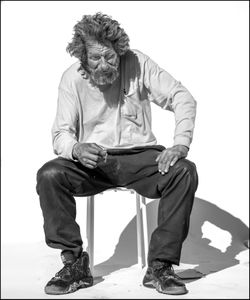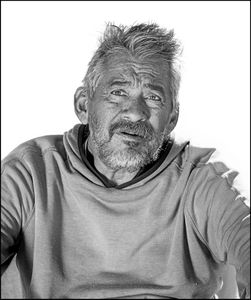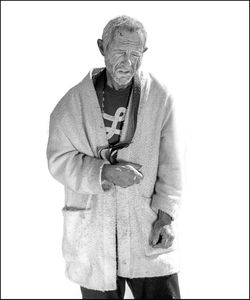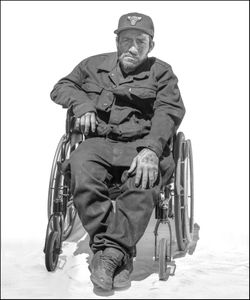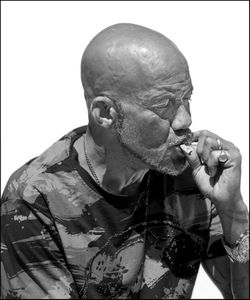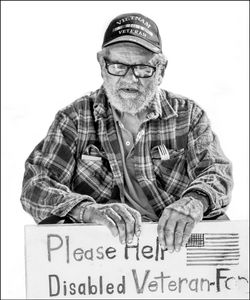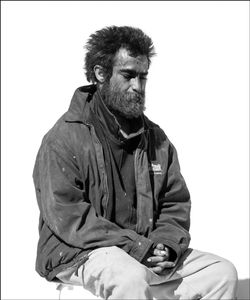
The Outsiders
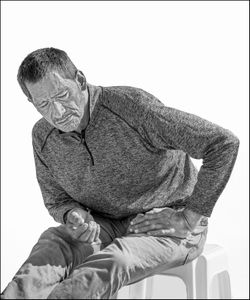
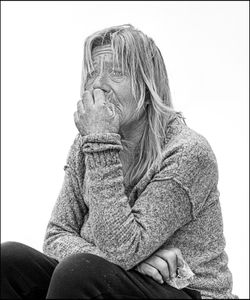
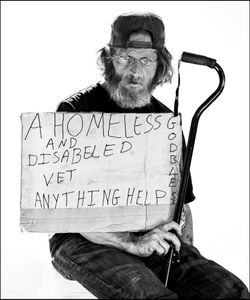
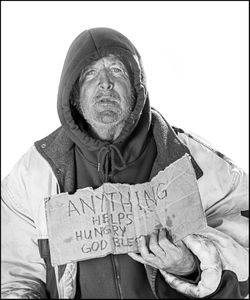
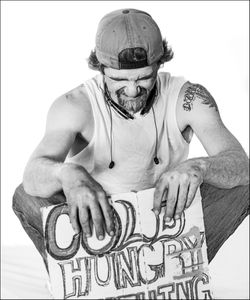
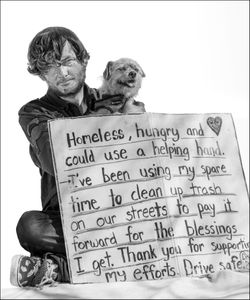
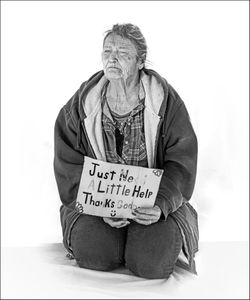
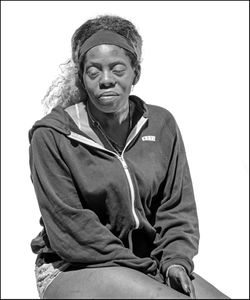
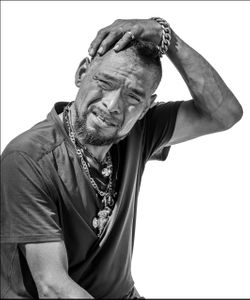
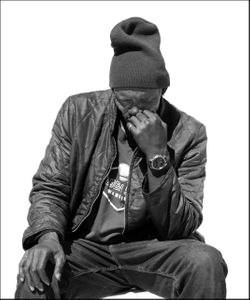
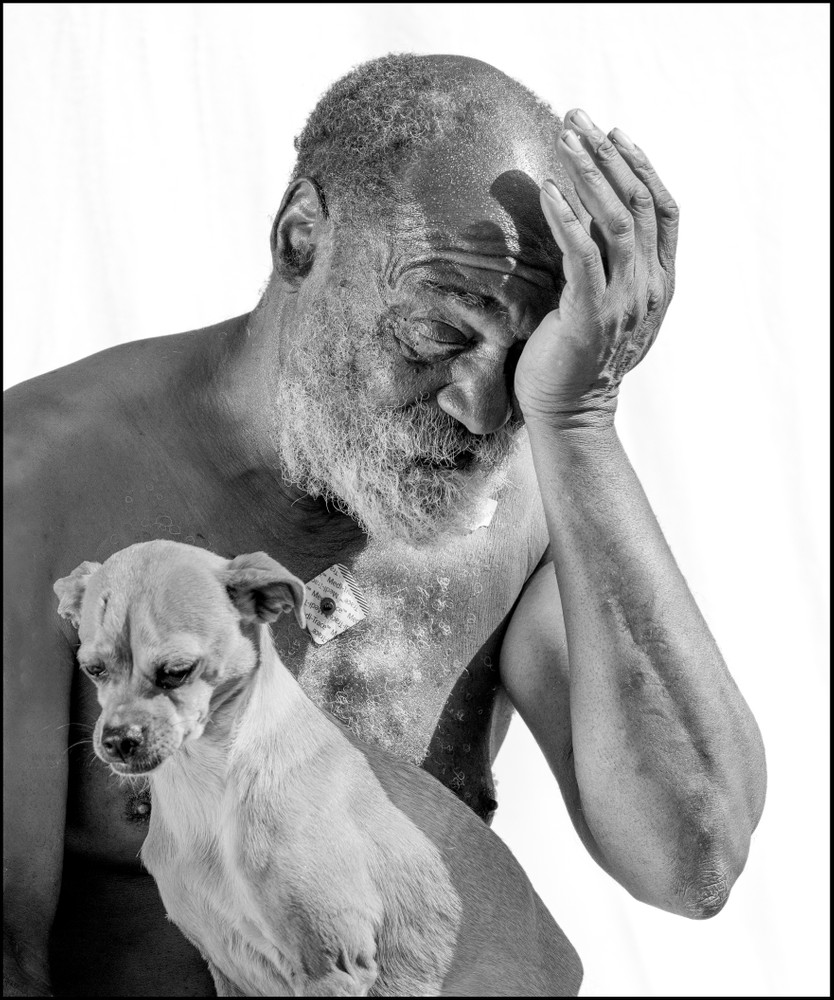
Each day thousands of people pushing the speed limit hurry across to family, home or job, oblivious to the small community under the bridge. Most prefer it that way. In a wealthy nation like the United States, those living outside, and outside societal norms, are often portrayed and seen as a blight: dirty, drug-addled, sick, mentally ill and even dangerous, glimpsed only occasionally and in passing, amid piles of garbage or on street corners begging. There are always some who dwell on society’s fringes. Some slip over the edge and land on the street and under bridges. But who are these people, really? Who are they when seen for themselves, isolated from their environment? A series of frank portraits big enough and powerful enough to be impossible to ignore might provide some answers, even for those who would turn away. Such bold, compelling images invite closer exploration of visual clues, first-person stories and one’s own soul. As Susan Sontag said, “The painter constructs, the photographer discloses.” In more than two years of working to produce more than two dozen such images, I have found myself being forced to confront a few of my own demons. Will I contract a disease? Will I be assaulted? Could I ever find myself poor, sick, addicted, abandoned or homeless? Again, in the words of Sontag, “All photographs are memento mori. To take a photograph is to participate in another person’s mortality, vulnerability, mutability.” It is clear that the experience of photographing, interviewing and getting to know these 'outsiders' is changing how I think and feel about them and about homelessness. However, even as I continue working on the project, what remains murky are answers. I can’t help but recall the words of Diane Arbus: “A photograph is a secret about a secret. The more it tells you, the less you know.” These detailed and intimate portraits of people on the street, but isolated against a portable white backdrop, starkly reveal the scars of hunger, abuse, drug addiction, sickness, injury, mental illness and bad choices that are branded on faces, bodies and souls. The ‘purity’ of the backdrop becomes ironic, while eliminating the distraction of the usual piles of garbage and assorted detritus. The black and white imagery implies serious, not snapshot; timeless and monumental, not pretty. Bigger-than-life prints are as mercilessly detailed in their unadorned frankness as the stories told by the people themselves. In a letter to his father about his father's portrait, Richard Avedon said “I want your intensity to pass into me, go through the camera, and become a recognition to a stranger.” That is what I am trying to do in these portraits and stories. In the words of George Bernard Shaw, “The worst sin towards our fellow creatures is not to hate them, but to be indifferent to them: that’s the essence of humanity.”
No categories selected
Photos (22)