
Udege
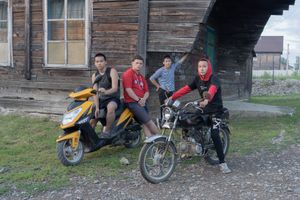
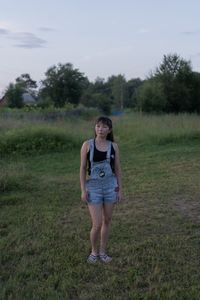
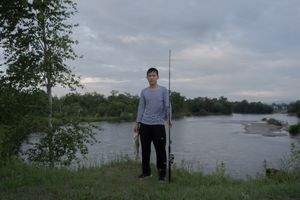
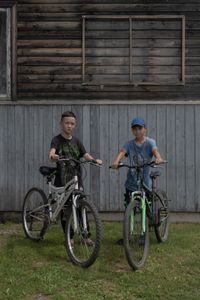
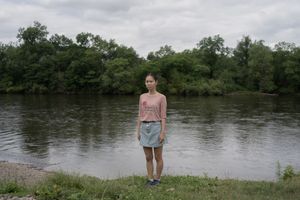
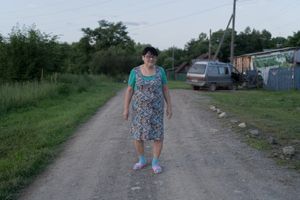
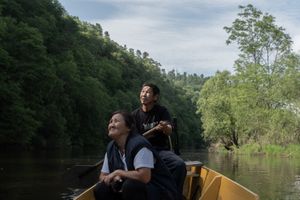
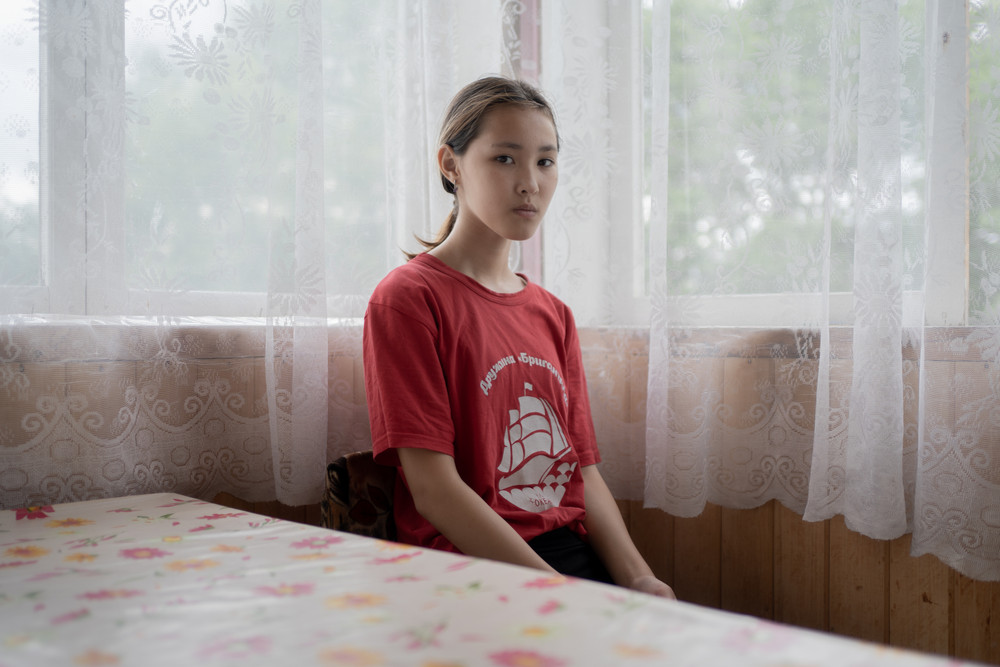
When I was a child, spending the summer in the village, I heard the word Udege for the first time. It was the name of a woman who had recently moved into a neighboring house. Later I learned that Udege was an indigenous small people of my native Primorsky region, living in the north in a remote area. Months later, the neighbor suddenly disappeared. Just as suddenly as she appeared. Since then I often remember this episode of my life. And when I grew up, I wanted to know how the Udege people live, in what state of identity, how civilization affects everyday life. The village of Krasny Yar is located on the banks of the Bikin River, iconic to the Udege people. People here live in close connection with nature and tradition, as if there were nothing else around. As before, the sources of subsistence here are the traditional trades. But it’s just that it’s getting harder to do it. In the last five years, the Udege people have faced a discrimination from the administration of the Bikin National Park. It is one of the largest national parks in Russia. The problem is that the territory of the park is located, among other places, in the traditional habitat of the Udege. Those of them who look into the future and try to assess the consequences of federal initiatives are afraid that their children, the next generation, will lose their traditional skills and turn into tourist servants for visitors to the National Park.
No categories selected
Photos (8)