
Chamomile Tea Party
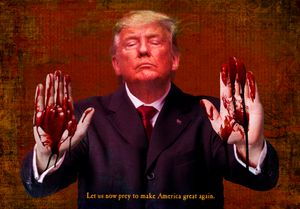
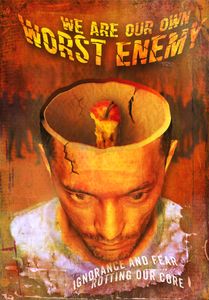
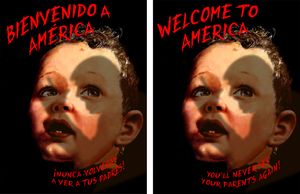
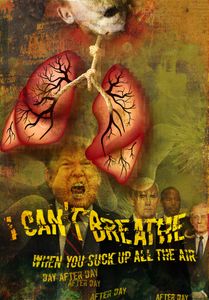
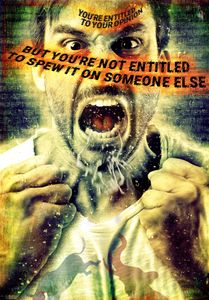
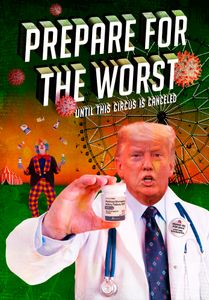
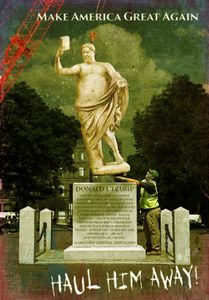
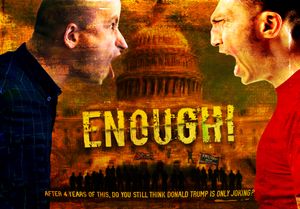
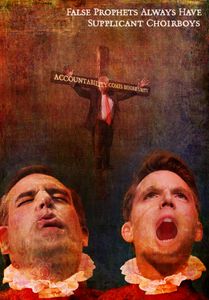
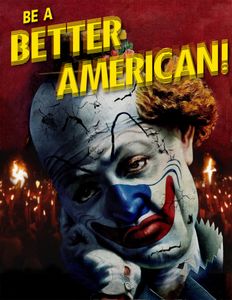
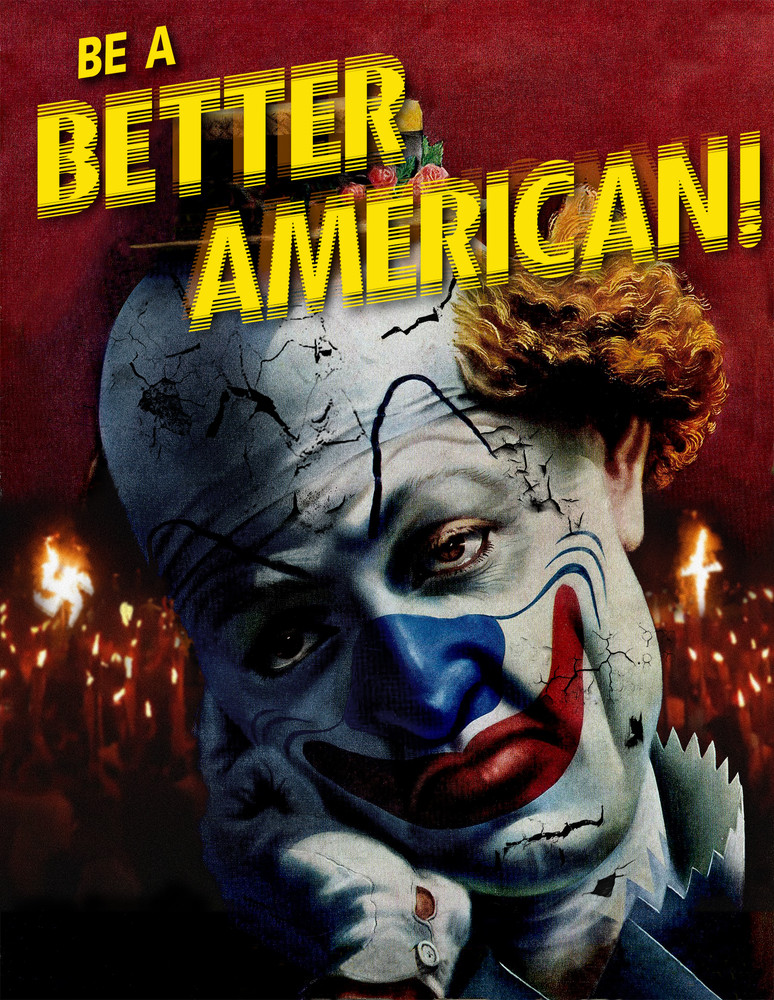
In 2010, polarization was becoming the wall dividing America. This was the beginning of the Chamomile Tea Party. The impetus for this project was political, but its form owes its existence to popular culture. Growing up in the 1960s, I was a child of advertising. How were words and images used to sell ideas? I studied propaganda posters that use these elements in economic and powerful ways. And I employed similar strategies to comment on the sorry state of American political discourse. While the series began as a response to legislative gridlock, Donald Trump’s presidency and the pandemic enlarged its scope to study the nature of our democracy in a “post-truth” era. These photo illustrations are part of that process. Using news and stock photos, I combine and reconstruct them to fit my idea. Facial expressions are altered. And I often rebuild bodies in specific poses from various sources: such as turning Donald Trump into a marble statue or Senators Cruz and Hawley into choirboys. Public discourse is integral to my work. Copies are free, and people have used these at rallies across the country. In 2012, during the presidential campaign, I bought ad space in the Washington, DC Metro, placing these images on platform signs. In 2018, Google Arts & Culture published a seven-part exhibition of this work. I want my work to be provocative—to invite reactions. Yet, I hold no illusions that I’ll convince anyone to change their minds. Having these discussions is my primary goal.
No categories selected
Photos (10)