After Breugel
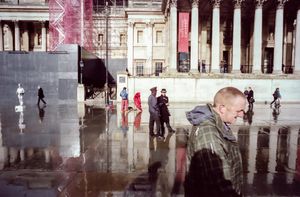
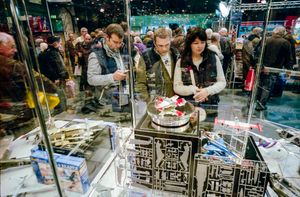
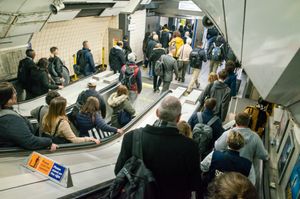
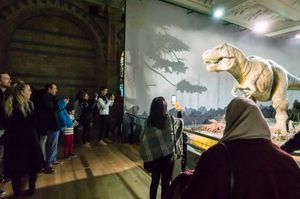
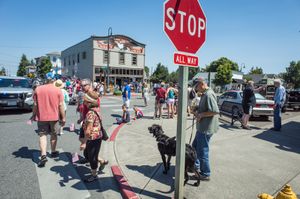
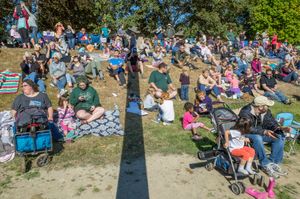
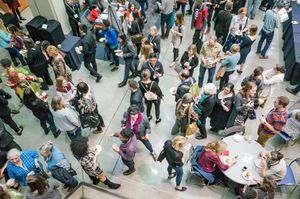
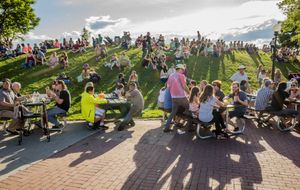
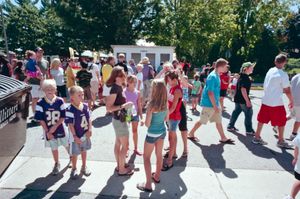
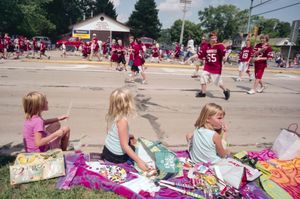
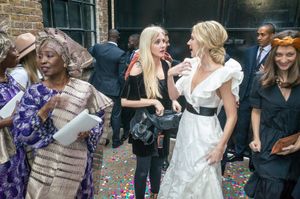
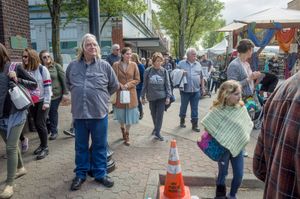
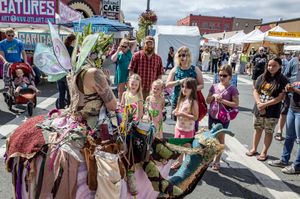
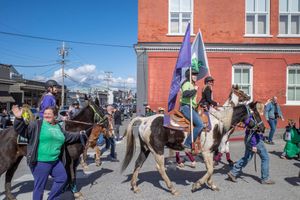
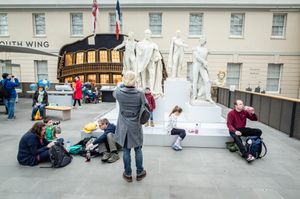
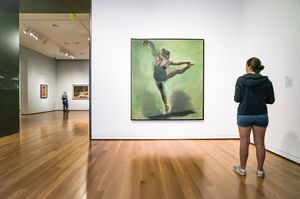
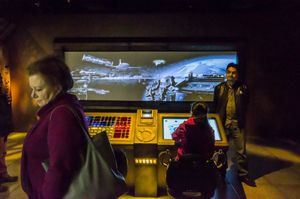
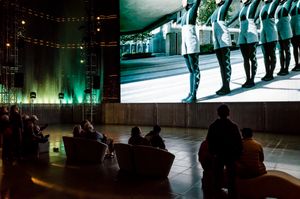
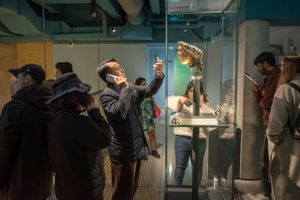
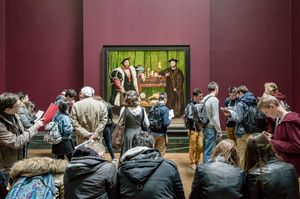
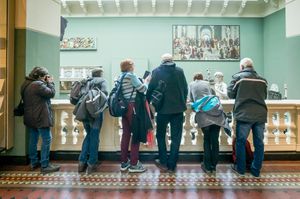
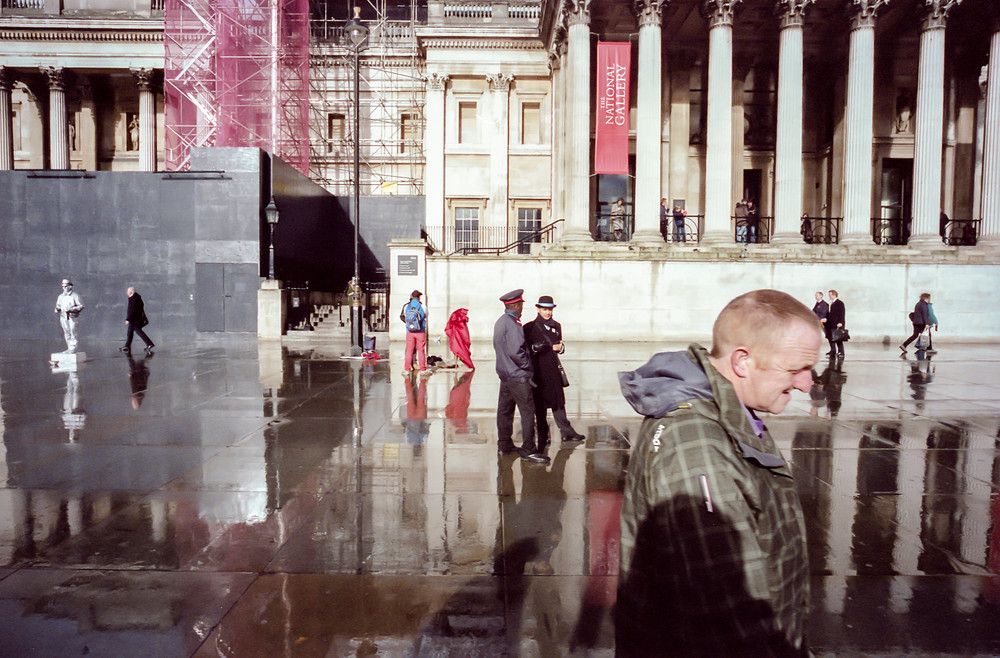
Pieter Breugel, “the Elder”, painted his fellow citizens with affection and compassion. He had a dark side – he was a native of sixteenth century Flanders – but this shows more in the allegorical engravings that seem to have been his money-makers. His paintings on the other hand are cheerful, crowded and full of incident and insight. Breugel’s people are individuals, not stereotypes. He painted the experience of being human, in 1567; us, for better or worse. I watch the ways in which people gather together and self-organize within common spaces. Technically it is mostly about position and timing, as photographer David Hurn has observed. I'm aware of the field of view of the camera, and I try to “relax” my own visual field to see what is happening without focusing on any one part of it. I'm watching for patterns and occlusions, clusters of body language, always trying to bring more within the reach of the lens, and usually unaware of the details until I view the finished picture. I am trying not to compose, not to apply order to what seems to be a chaotic flow. Crowds have their own homeostatic organization that reveals and conceals itself by turns. Hence the importance of timing. I’m mindful of Breugel because of the sheer delight of looking at the works he left for us, their humanity and their density of information. His world of everybody is a balm to our self-centered eyes. He offers no solutions to the existential uncertainty of being human, he just paints what it looks like. This is an ongoing project.
No categories selected
Photos (23)