
Out of the Ashes
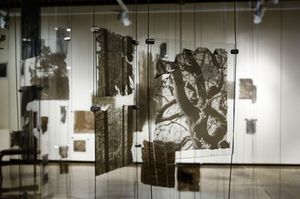
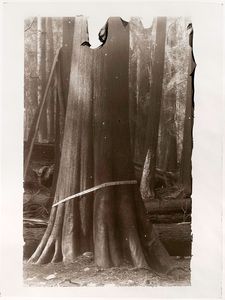
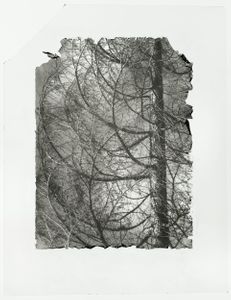
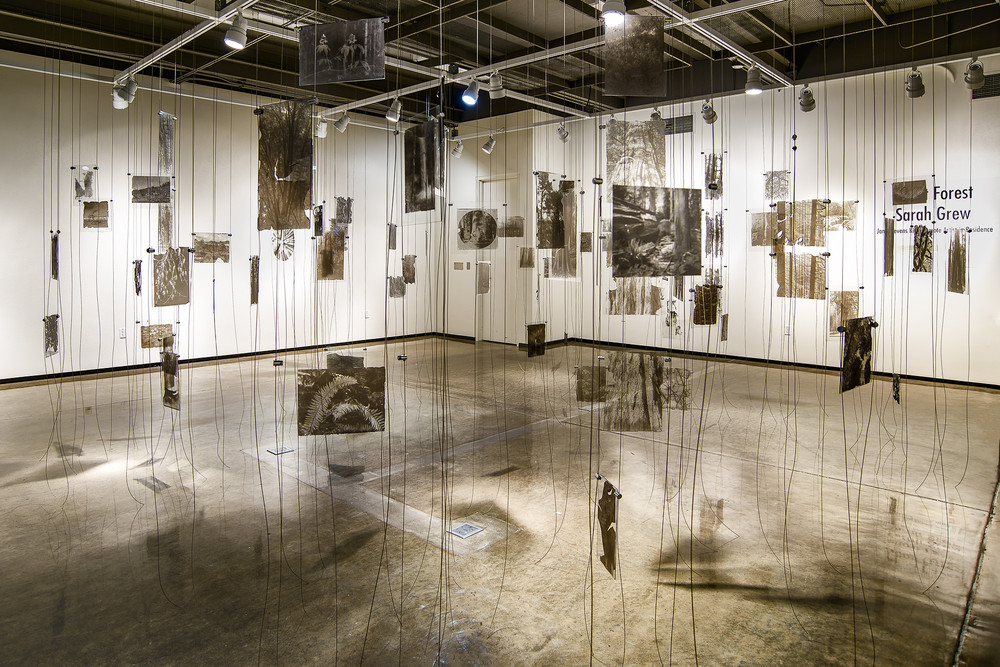
As the effects of climate change become more dramatic, wildfires rage in many parts of the world. In my area, our sky turns yellow-gray from smoke, it rains ash and leaves all living creatures gasping for breath. I mourn the loss of forest lands now blackened with carbon. My desire to create something out of the ruins led me to collect charred wood from the fires. Black carbon soot, the fundamental building block of life and the remains of a fire. I realized I could create carbon prints, transforming the soot into recorded images of the forests themselves. After extensive research and experimentation, I am now making prints from the ash of many wildfires with visits to more fire sites in my plans. Carbon print is considered the most archival of all photographic printing processes with an estimated life of 10,000 years. Carbon does not fade. Instead, in my hands, the burned remains of the trees become photographs, in hopeful anticipation of the natural regeneration after fire. My process and its resulting prints, with their frilled edges and torn emulsion echo the way natural fire cycles can surmount devastation to provide nutrients to the soil, force a pinecone to disperse its seeds, or shape the landscape, in stark contrast to the extreme intensity and size of the fires that are now common. When installed, the Ghost Forest moves photography off the wall and into the middle of the room. The photographs on glass hang from the ceiling on pairs of cables that suggest the outline of trees. Hung at various heights the viewer is invited to move through my forest, witnessing a range of natural elements; small understory flowers, waterfalls, dappled light in the trees, a burned branch that has travelled down river to the ocean, as well as the aftereffects of fire. The photographs show us the beauty being lost to human negligence and the climate crisis.
No categories selected
Photos (12)