
Preventable Humanitarian Crisis in Nepal
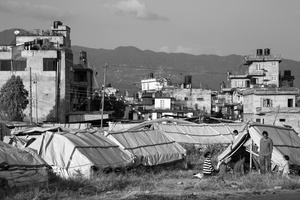
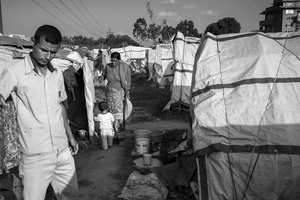
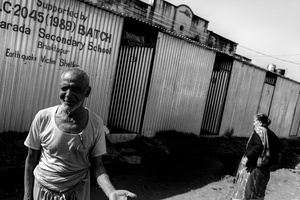
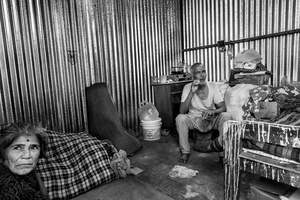
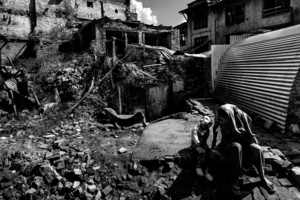
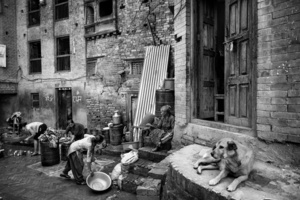
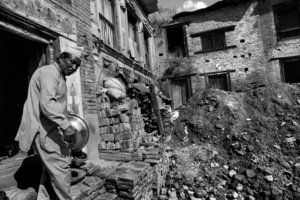
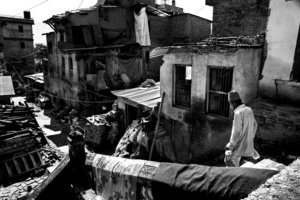
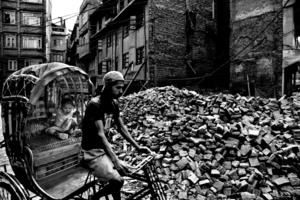
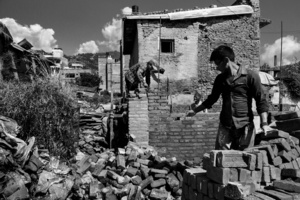
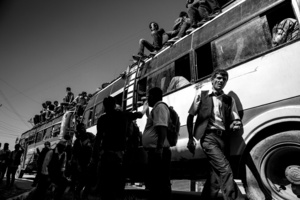
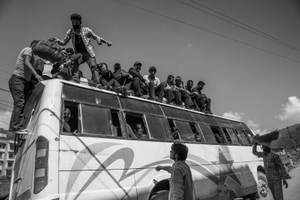
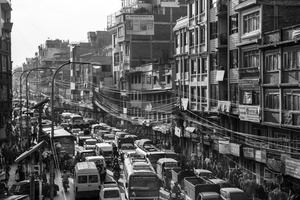
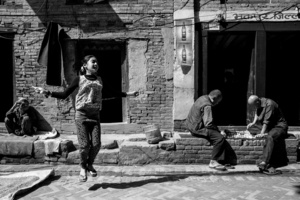
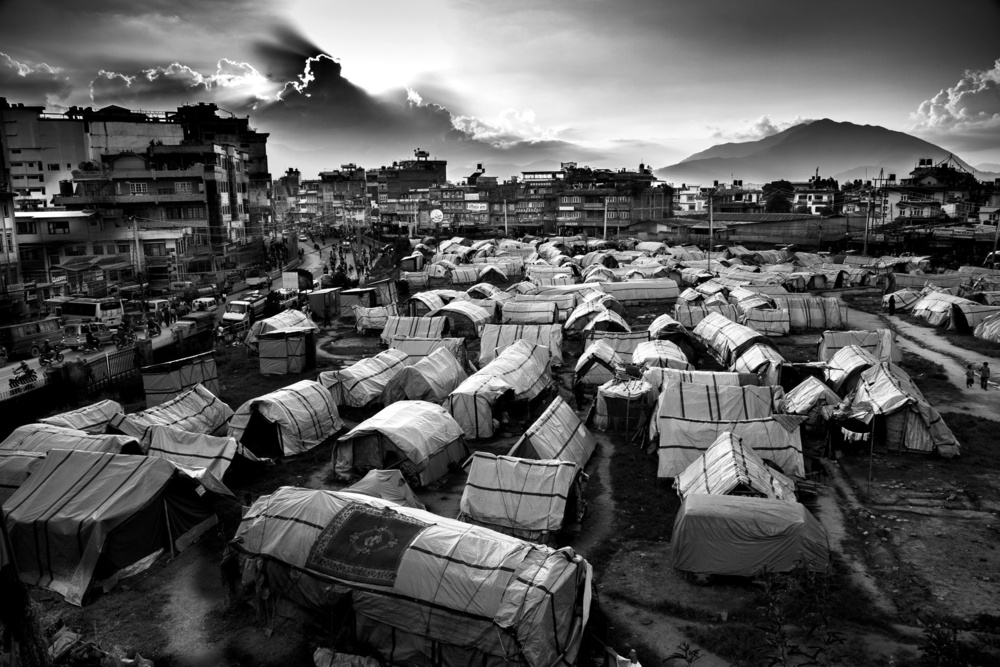
In Kathmandu, Nepal, 6 months after the devastating earthquake in April, tens of thousands of people are still living in temporary shelters and tent areas. Rebuilding efforts after the earthquake are in chaos with the new Nepalese government and are compounded by the fuel crisis. "Shortages of fuel, food, medicines and vaccines are putting more than three million infants at risk of death or disease as winter begins in Nepal, the UN children's fund (Unicef) has warned." Nepal, a landlocked country, is dependent on India for over 90% of its fuel. 3 months ago, India, unhappy with the new Nepalese constitution, imposed an unofficial blockade on its borders. Nepal, a landlocked country, is dependent on India for over 90% of its fuel supply. Three months ago, India, unhappy with the new Nepalese constitution, imposed an unofficial blockade on its borders. The political situation is complicated and hard to explain but the result is in plain sight. Gasoline, jet fuel, cooking fuel has dwindled down to nothing. Medicines are very limited. Black market fuel is rampant and uncontrolled at prices that only the rich can afford. Food are unable to be distributed because of no gasoline. Electricity, which was limited even before the fuel crisis, is even more limited now as the grids become overloaded. Common people are suffering; the poor are suffering even more. Many of the sick, the weak, the young infants and the old, especially in the remote areas of Nepal, already devastated and weaken by the earthquake earlier this year, will not survive this winter in their temporary shelters with food stores damaged by the earthquake, limited medicine, and no help on the horizon. The humanitarian and economic crisis caused by the earthquake will be nothing in comparison to what the Nepalese people are facing now with no end in sight.
No categories selected
Photos (23)