Ensure Life of The Factory
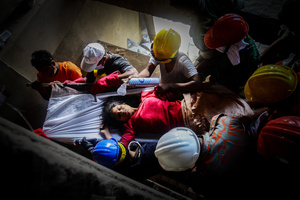
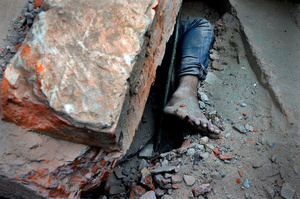
On April 24, 2013, an eight-story building collapsed in Savar, near the Bangladeshi capital of Dhaka, killing more than 1,100 people. A number of victims, 291 to be exact, were initially buried without identification—prior to even DNA test results. Rana Plaza, which housed five garment factories, had been designed to be only six stories and was intended for shops and offices only. Two further stories were later added, and the collapse was in part blamed on the weight and vibration of the garment factories' heavy machinery. Just the day before the accident, Rana Plaza had been briefly shut down when cracks appeared in its walls and pillars. Despite the situation, the factory workers were called back in, hours before the building fell. Rescue operations took nearly three weeks. Workers in Rana Plaza made clothes for popular Western brands. The disaster highlighted the hazardous conditions workers face in Bangladesh's $19-billion garment industry, where many workers are paid as little as $30 a month. In the aftermath of the Rana Plaza collapse, a meeting was convoked in Geneva of the world's largest retailers. Yet only a few of the brands who actually used the factories there made sure to attend. At the very least, four companies made contributions to a compensation fund for victims and their families. —Prashanta Hridoy
No categories selected
Photos (8)