
THE ALGONAUTS
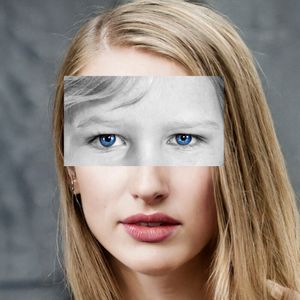
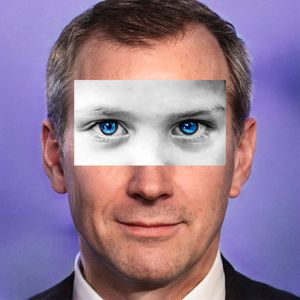
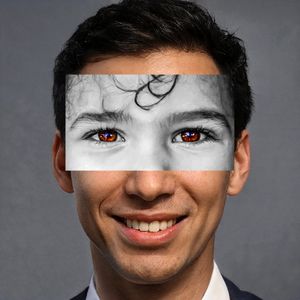
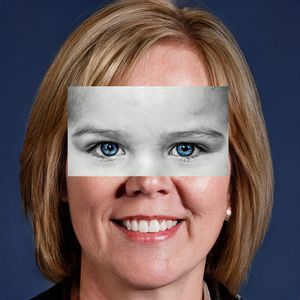
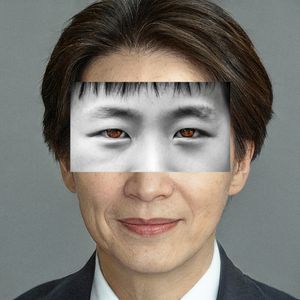
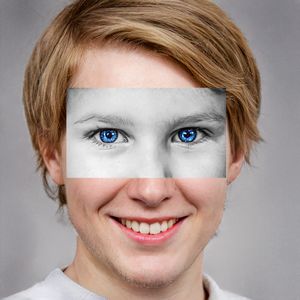
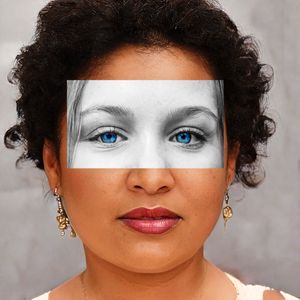
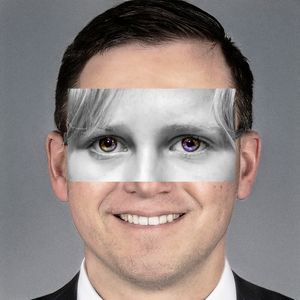
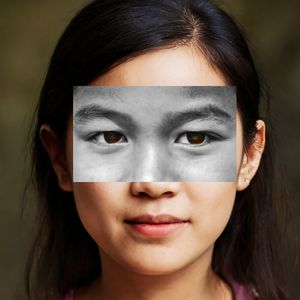
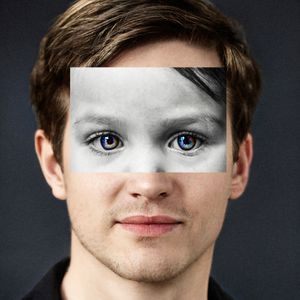
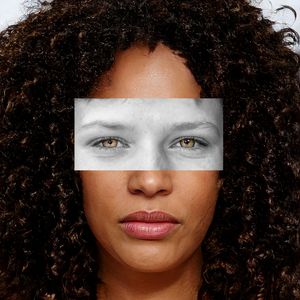
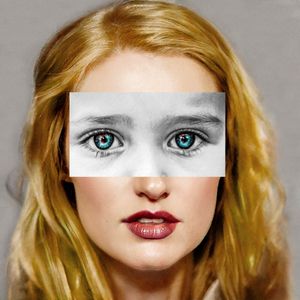
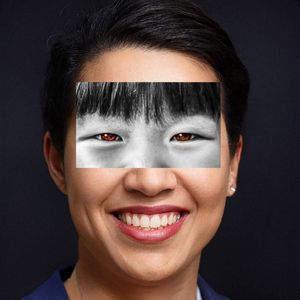
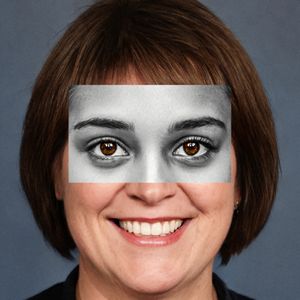
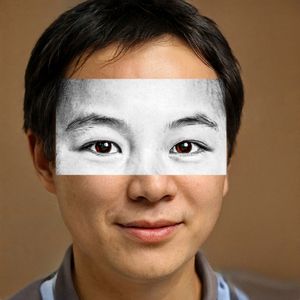
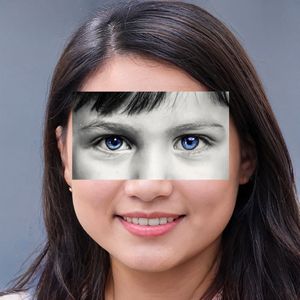
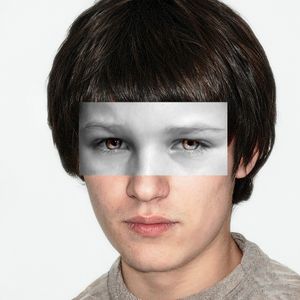
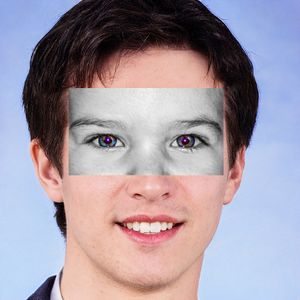
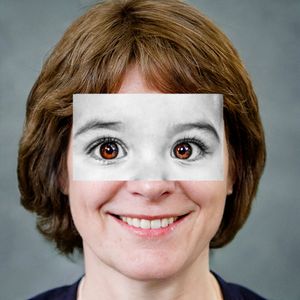
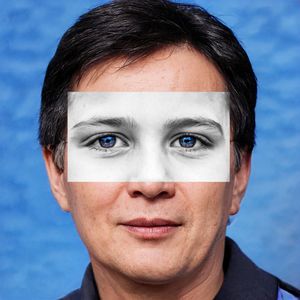
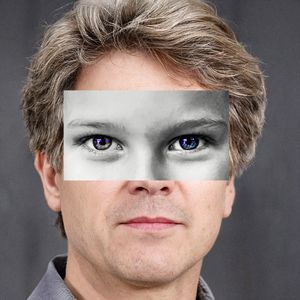
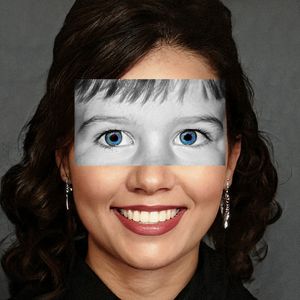
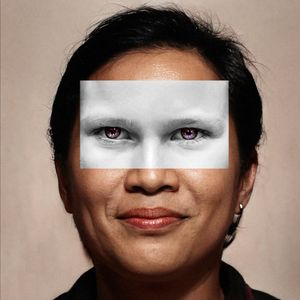
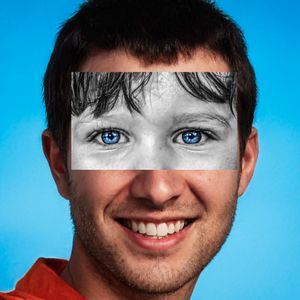
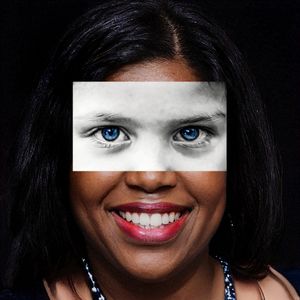
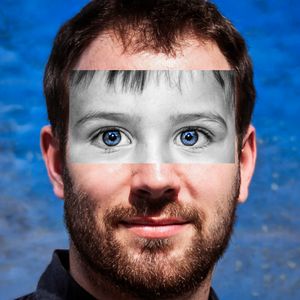
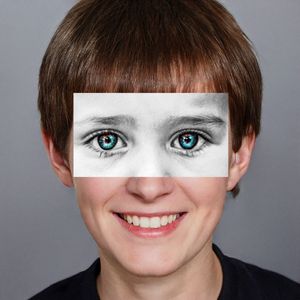
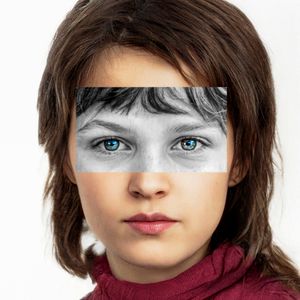
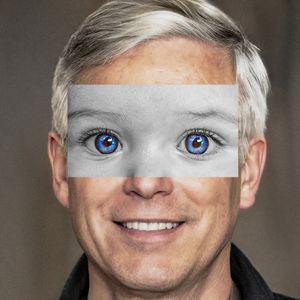
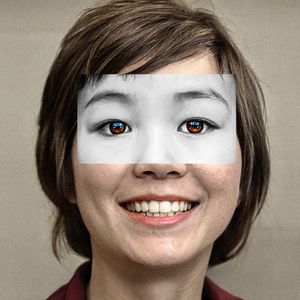
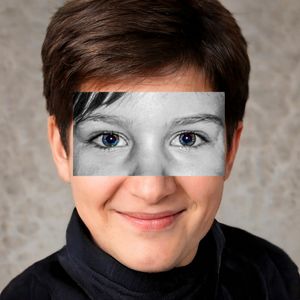
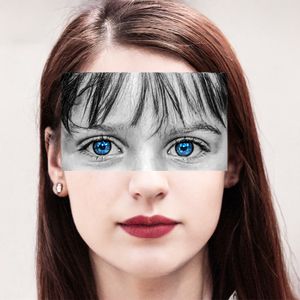
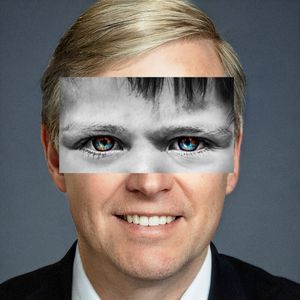
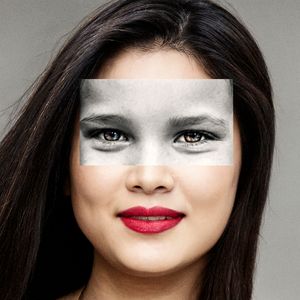
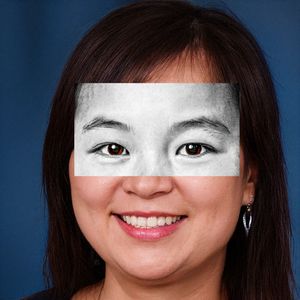
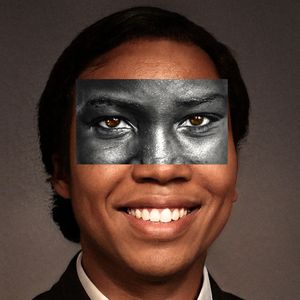
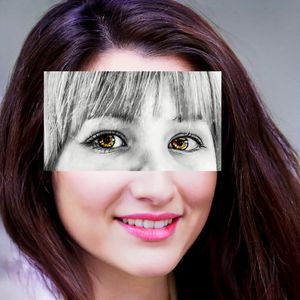
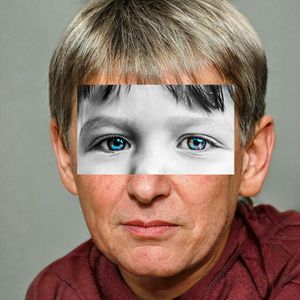
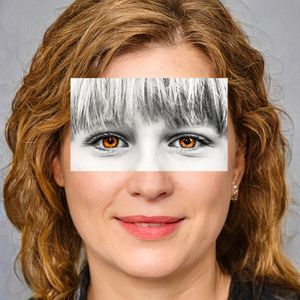
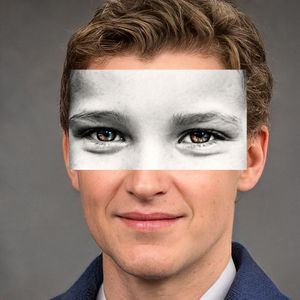
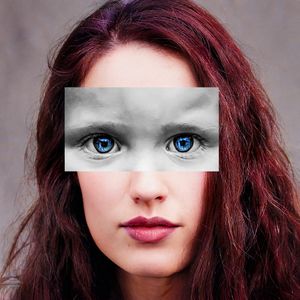
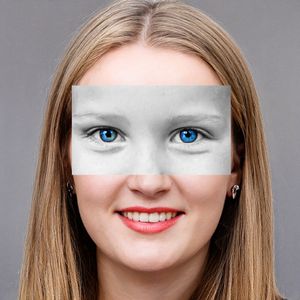
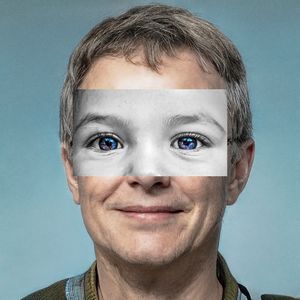
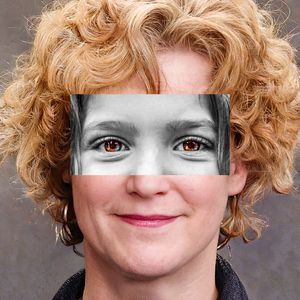
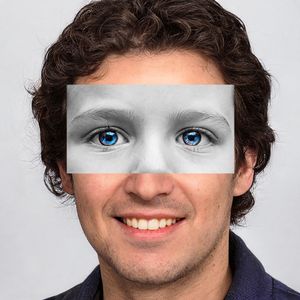
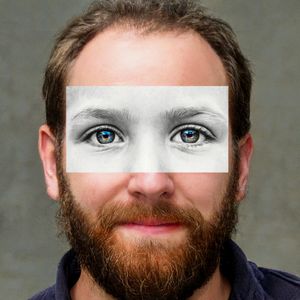
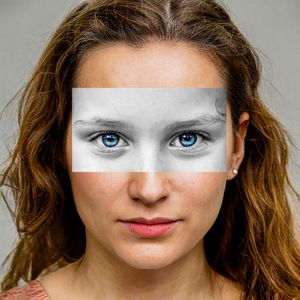
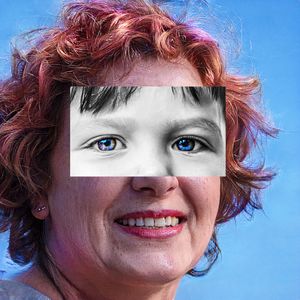
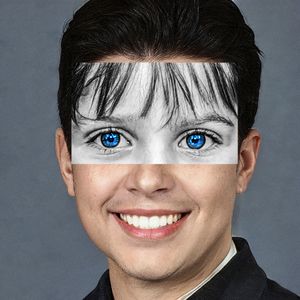
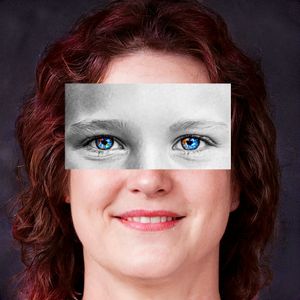
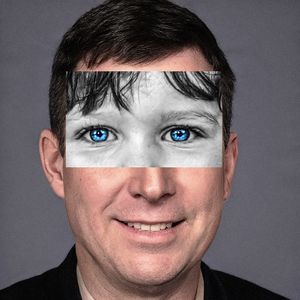
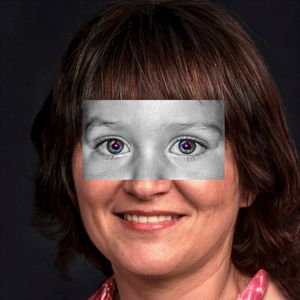
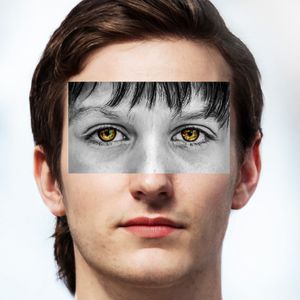
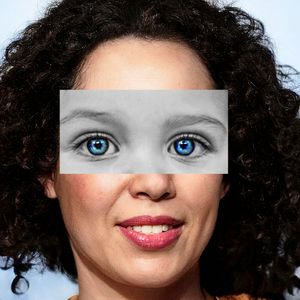
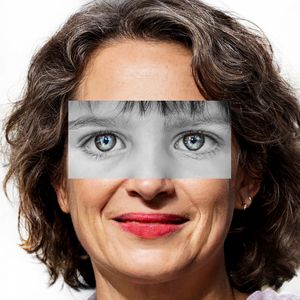
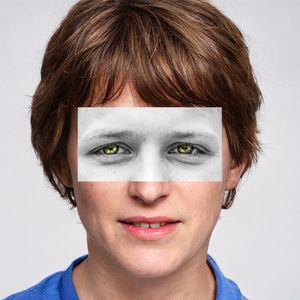
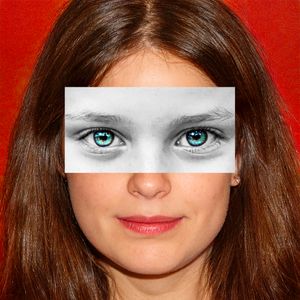
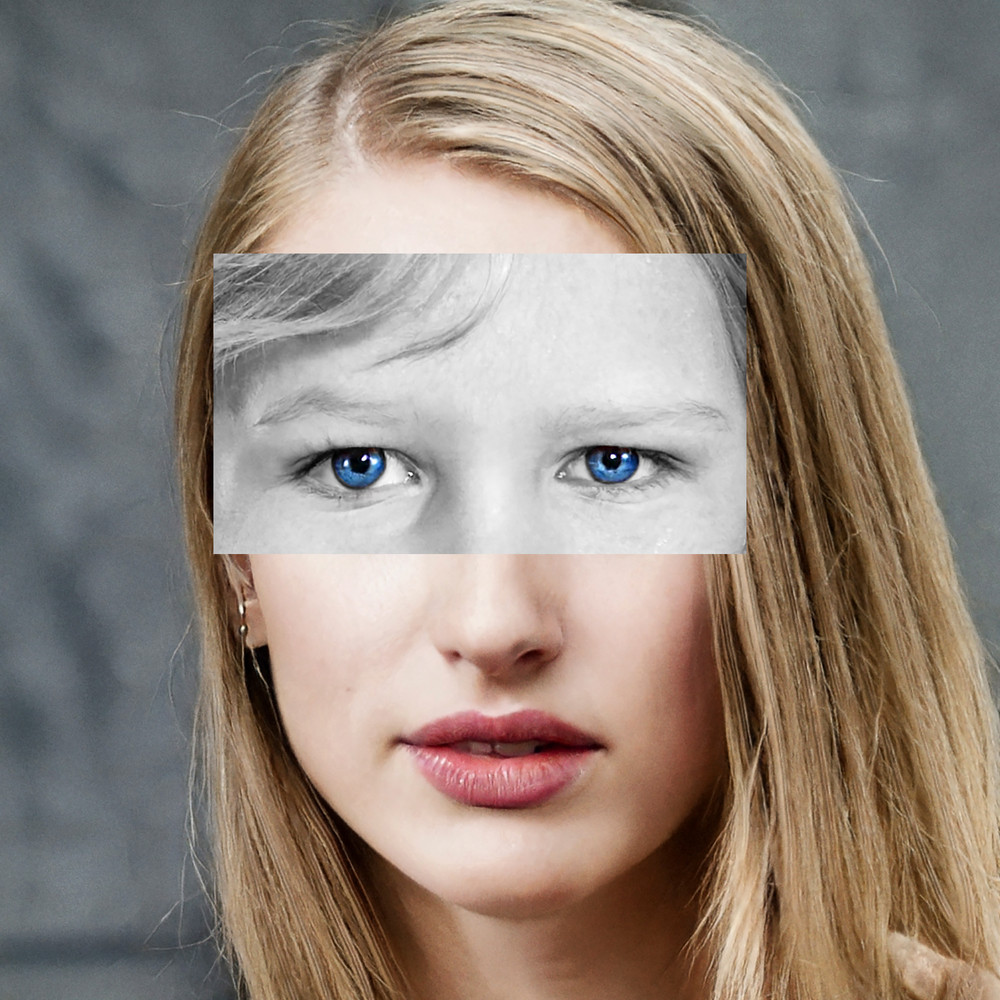
Artificial Intelligence (AI) is a leading force of our day and times. It is already altering the world and raising important questions for society, the economy, and us as human beings. With the development of new technologies (the Internet, social networks, Big Data, the new generation of algorithms, applications for smartphones, videogames, etc.), the urge to address the ethical aspect of the coexistence of human beings and AI machines to protect our democracy and its values becomes more crucial than ever. The Algonauts is a collection of digital, AI-generated portraits of non-existing people appropriated from a popular Artificial Intelligence-powered website. The platform is based on a fascinating technology that allows an algorithm known as a generative adversarial network (GAN), to generate an endless series of realistic faces of non-existing people each time the page is refreshed. In the case of The Algonauts project, a set of such portraits has been “artistically” altered – i.e., through a privacy-protection, censorship-assertive act of artistic, human-driven mania – with the addition of a series of graphic masks made out of stylized sets of children’s eyes, generated by the same algorithmic force, and specifically tailored by the author as a means of concealing the identity of all portrayed non-existing subjects. In a 2021 scientific study, researchers show that numerous faces produced by GAN bear a striking resemblance to actual people who appear in the training data, demonstrating how reversing the algorithm can effectively unmask the real faces the GAN was based upon, making it possible to expose the identity of those individuals with inevitable nefarious consequences in terms of privacy and safety. The Algonauts aims to symbolically correct and mend the privacy flaw and serves as a reminder of how crucial it is to preserve and nourish “human identity” when dealing with AI. The project intends to question the controversial idea of the complete replaceability of humans by Artificial Intelligence and suggests a reflection on the necessity to embrace raising awareness, improving the culture, and creating adequate regulation rather than passively demonizing algorithmic technology. In the era of deep fakes, maybe these portraits of AI-generated people with counterfeit, childish eyes staring at us in a mirror-like dynamic are more accurate than many social profiles of our days.
No categories selected
Photos (63)