
Emigrussian
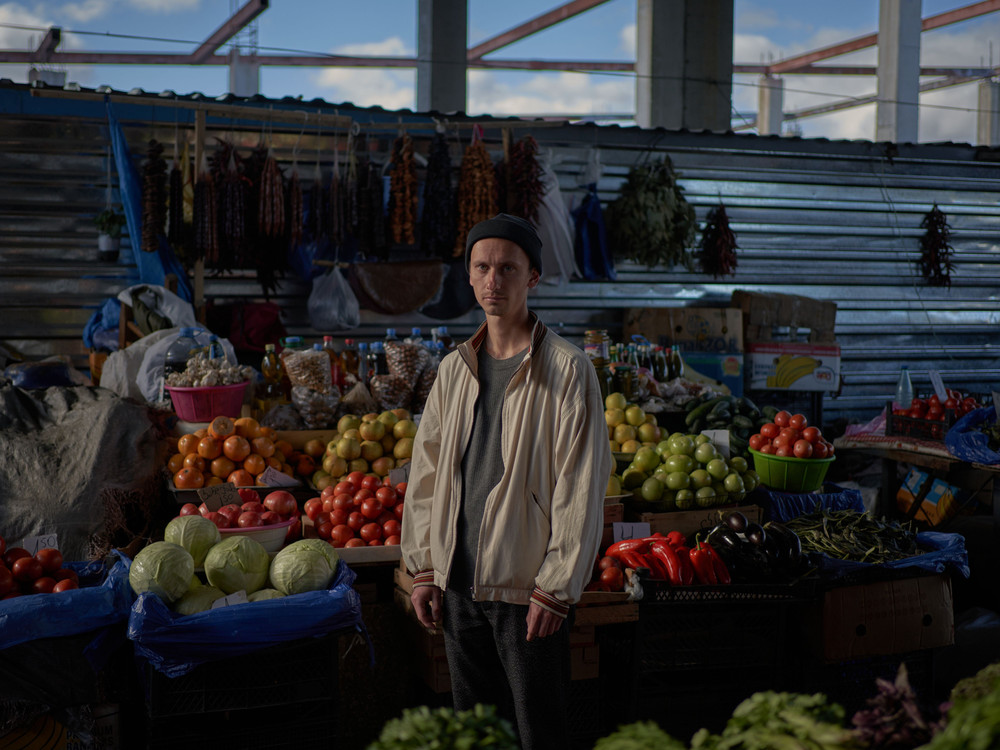
Many of those who left Russia after the outbreak of war in Ukraine find it difficult to choose a definition, to pick the word that best describes their identity. "Refugees" are now refugees from Ukraine, and even those in Russia who were threatened by direct violence from other people or the state do not call themselves that, lest they compare military threat and political repression. The word "emigrant" has a special historical - mostly Soviet - context. It is the white emigration of the 1920s and then those who left after the partial opening of the Iron Curtain. "Expat" is the most aloof notion, which implies departure of one's own volition; however, many consider their departure forced, even if they had planned to leave even before the war. Also, "expat" seems too "new-fangled" and alien in colloquial speech. Some Russians firmly associate "migrants" with labor migrants from Central Asia and other regions. Although there are people who freely refer to themselves as migrants, the word does not catch on with most people because of this stereotype. It is difficult to say whether this is a problem of language — the formation of a “blank” — or whether there is a reluctance to be categorized. One is left either to choose from what is there, or to make up one’s own options, or to leave the space empty, undefined — which, too, to some extent, can be a statement of one’s situation, fears, hopes, and circumstances.
No categories selected
Photos (10)