
Freedom and Guilt (2023)
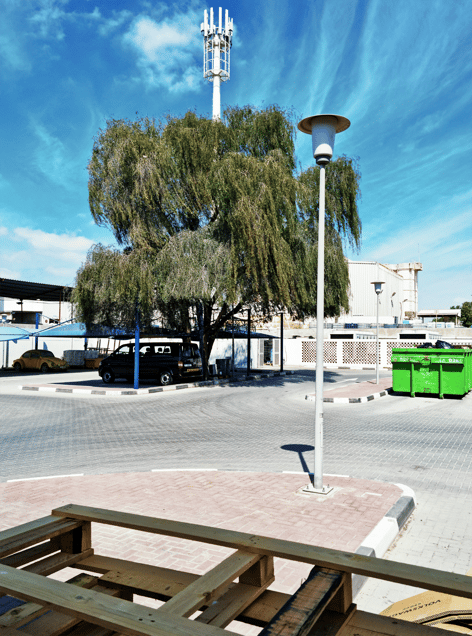
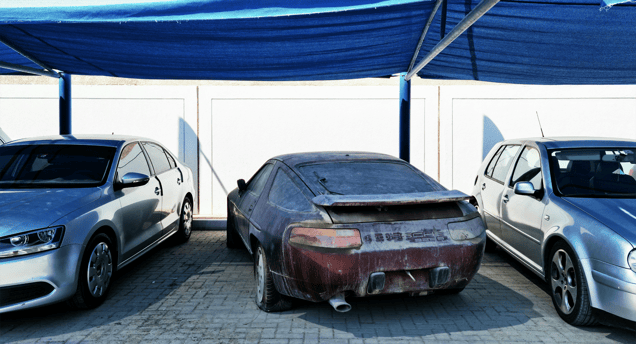
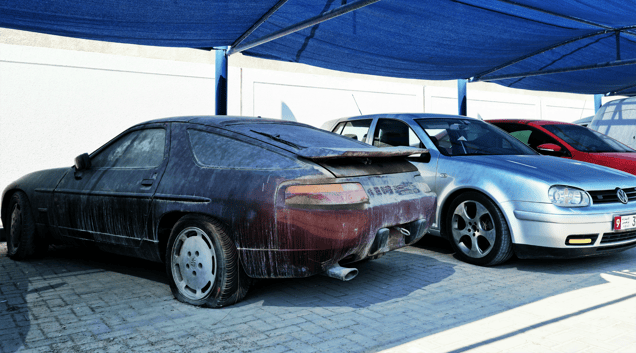
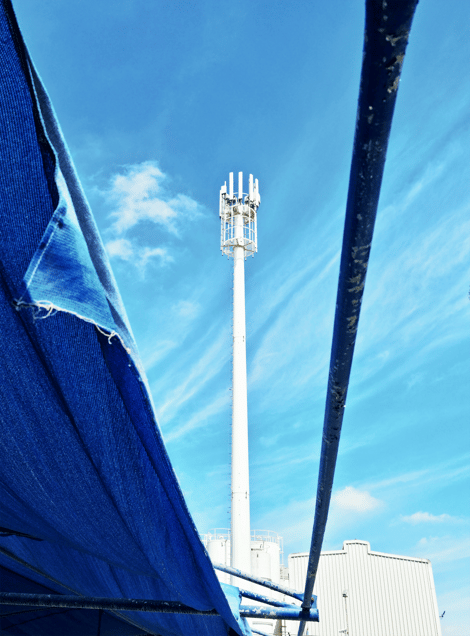
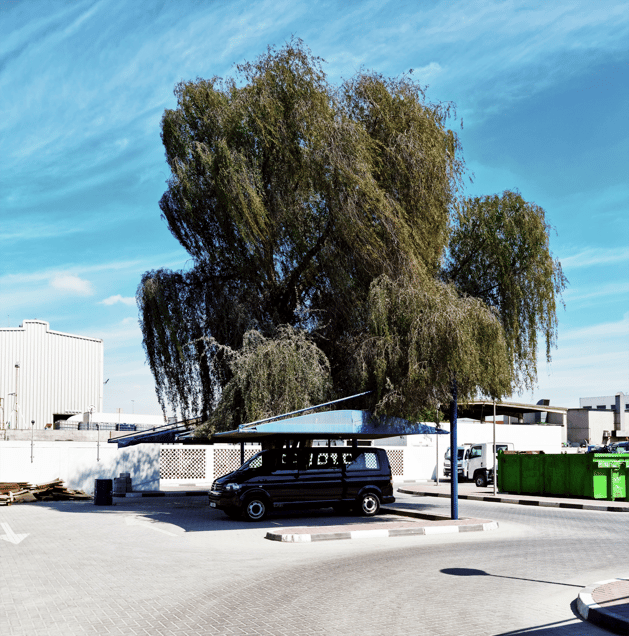
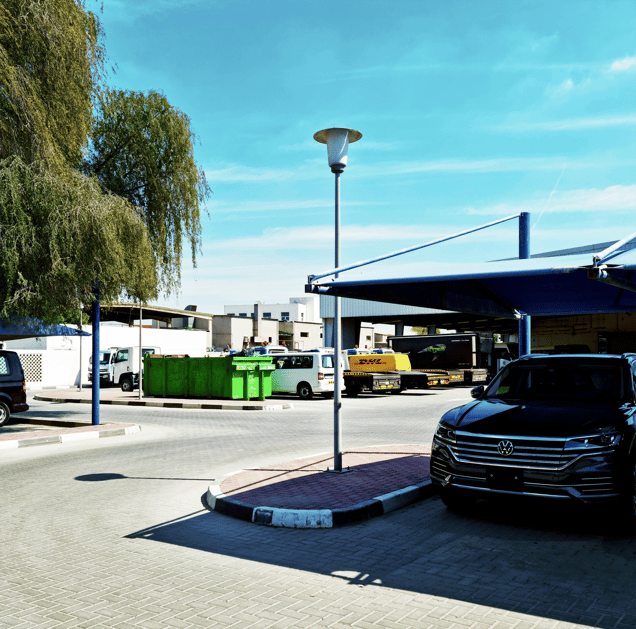
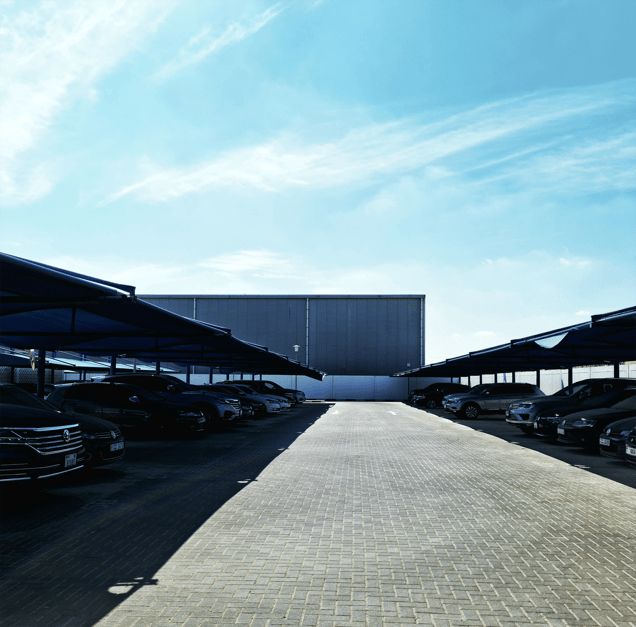
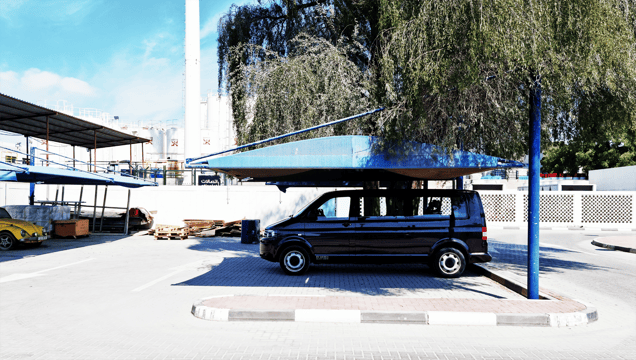
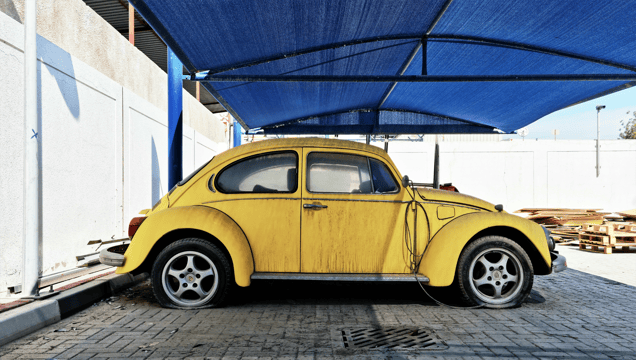
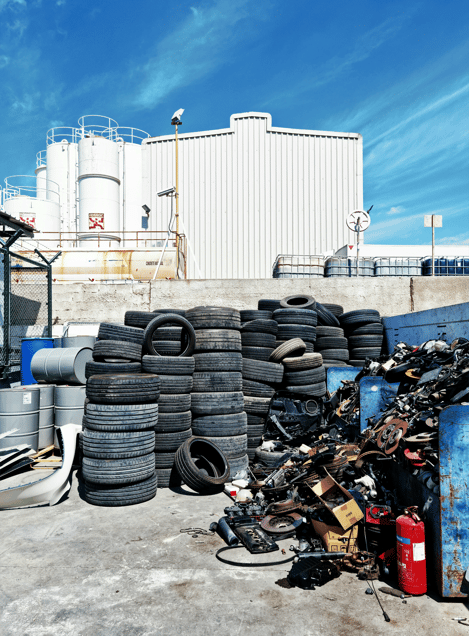
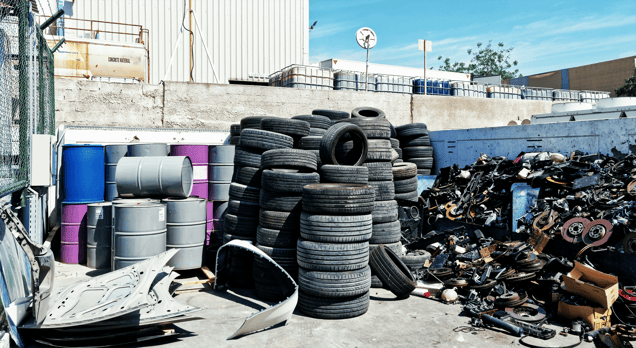
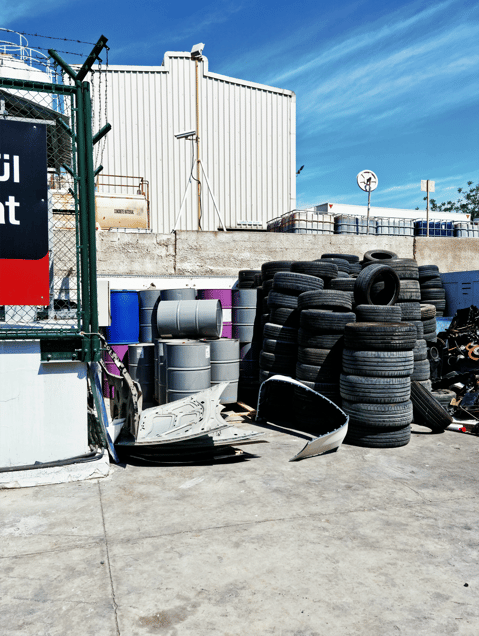
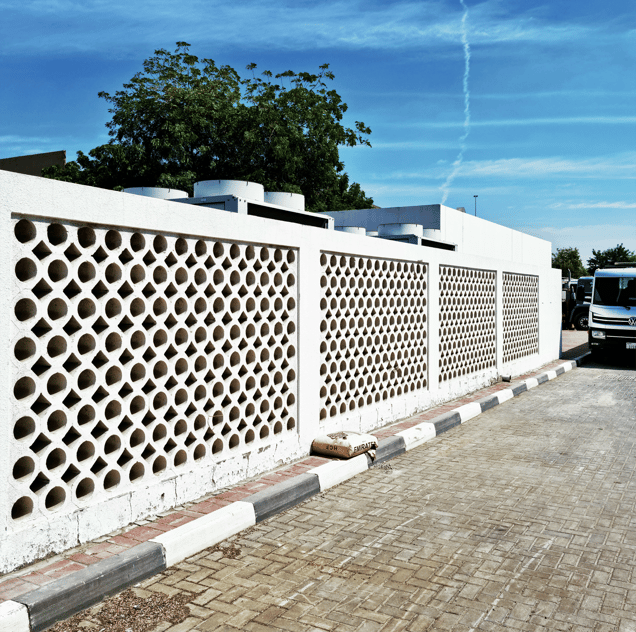
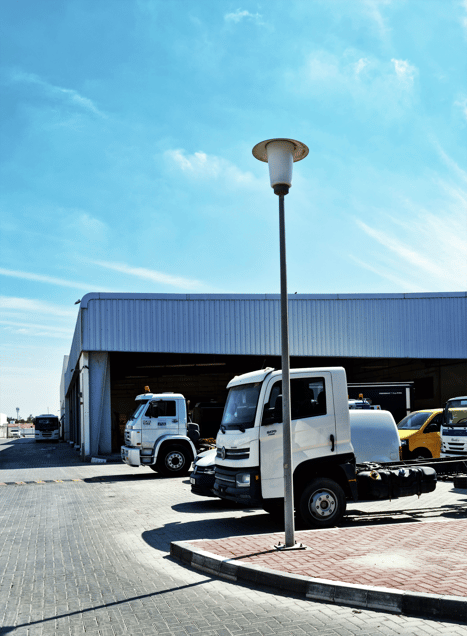
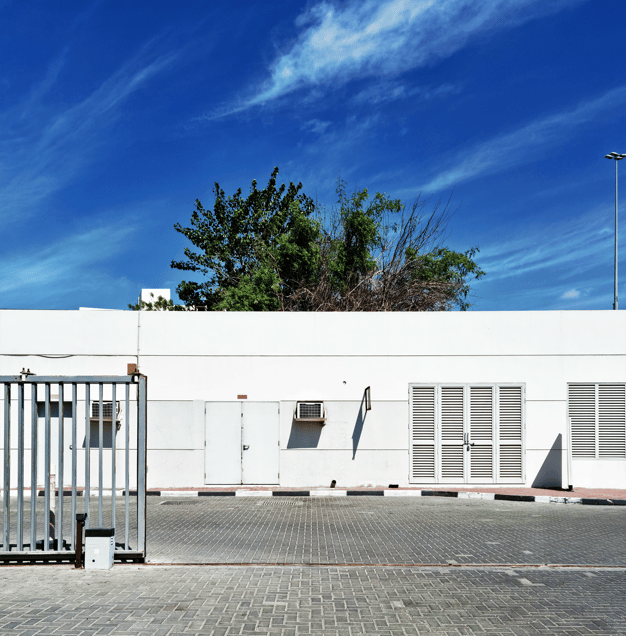
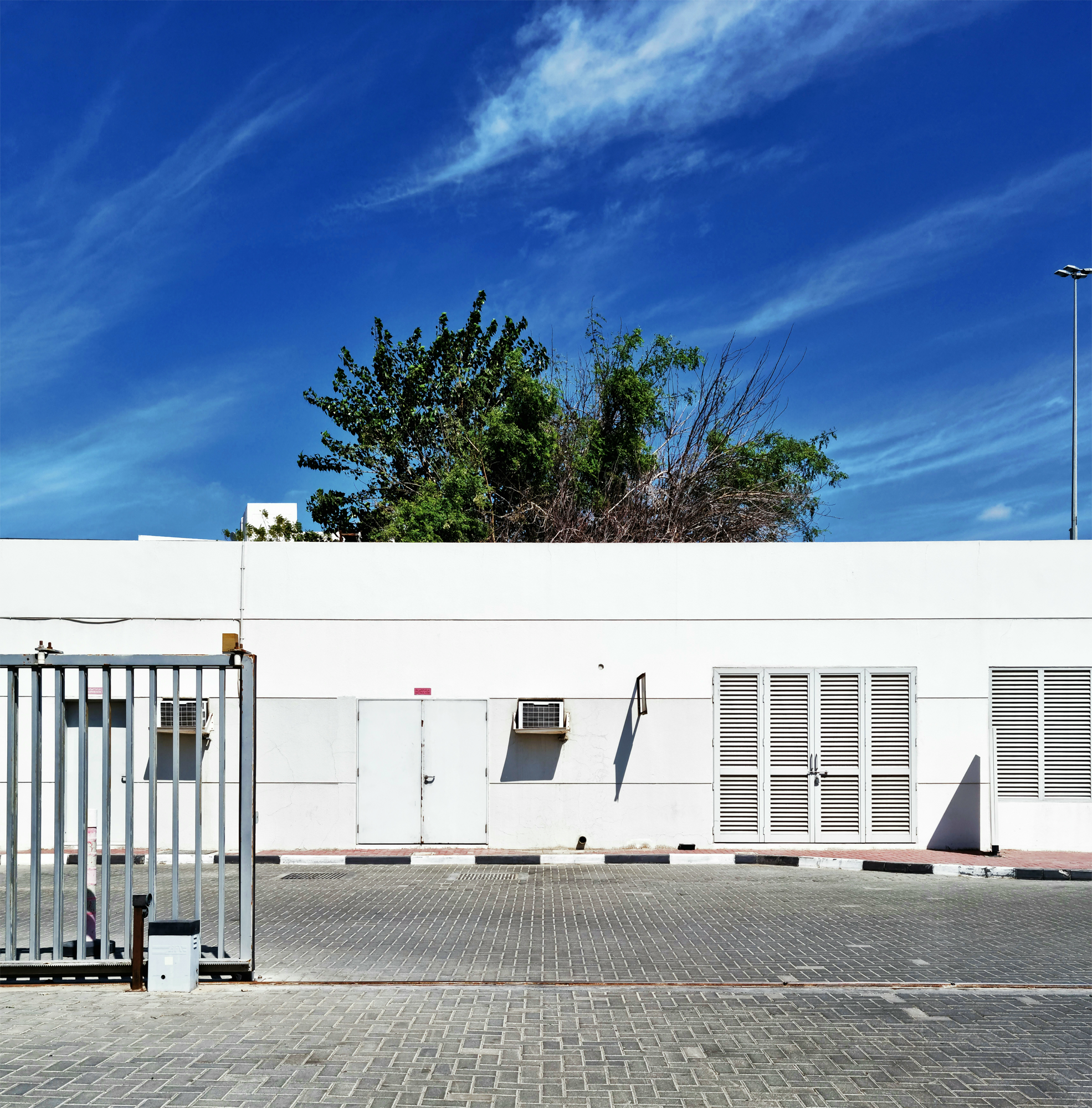
While a car may simply be a car, it remains one of humanity’s most charged symbols: of independence, progress, loneliness, sexuality, mortality, and desire. Our worldly longings, much like vehicles, drive us either toward achievement or ruin, depending on the roads we choose to follow. This tension between propulsion and paralysis lies at the heart of Tennessee Williams’s “A Streetcar Named Desire” (1947) and Elia Kazan’s film adaptation (1951). It forms the conceptual backbone of Rabáh El A’awar’s photographic series “Freedom and Guilt” (2023). Composed through a Postmodernist lens, these images transform a car service hub into a theatre of contemporary conscience. What appears at first as a banal industrial environment (vehicles under shades, tires in stacks, tools at rest) gradually reveals a spiritual disquiet. The series holds a mirror to the fragile balance between human free will and collective guilt, between the ecstasy of motion and the burden of its consequences. In El A’awar’s vision, the automobile becomes both idol and confessor: the silent witness of human pride and the vessel of our contradictions. The pleasure of ownership collides with the discomfort of awareness, revealing our complicity in pollution, consumption, and environmental decay. In this way, “Freedom and Guilt” becomes less a documentation of a space and more an autopsy of desire within the machinery of modern life. The architectural surroundings, with their steel walls, asphalt, towers, and trees, echo the precision of American Modernism and New Topographics. Yet unlike Sheeler’s optimism or Shore’s neutrality, El A’awar’s scenes bear a metaphysical charge. His framing, defined by silence and immaculate control, stages the absence of humans as its loudest presence. Each car, each beam of light, becomes a moral proposition: what does progress cost, and who pays for its continuation? Between entropy and order, nostalgia and critique, the series finds its own poetry of restraint. Even the juxtaposition of rust and shine, decay and renewal, speaks of a civilization forever suspended between repentance and acceleration. “Freedom and Guilt” thus stands as both confession and requiem—a story of engines that outlive their makers, and of a species still learning how to stop.
No categories selected
Photos (16)