#053kids
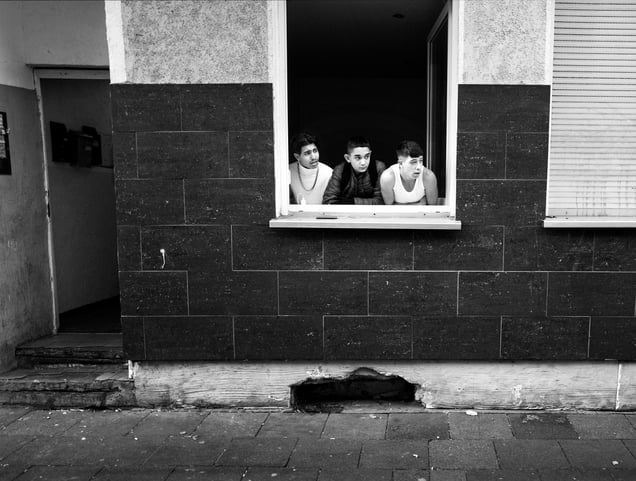
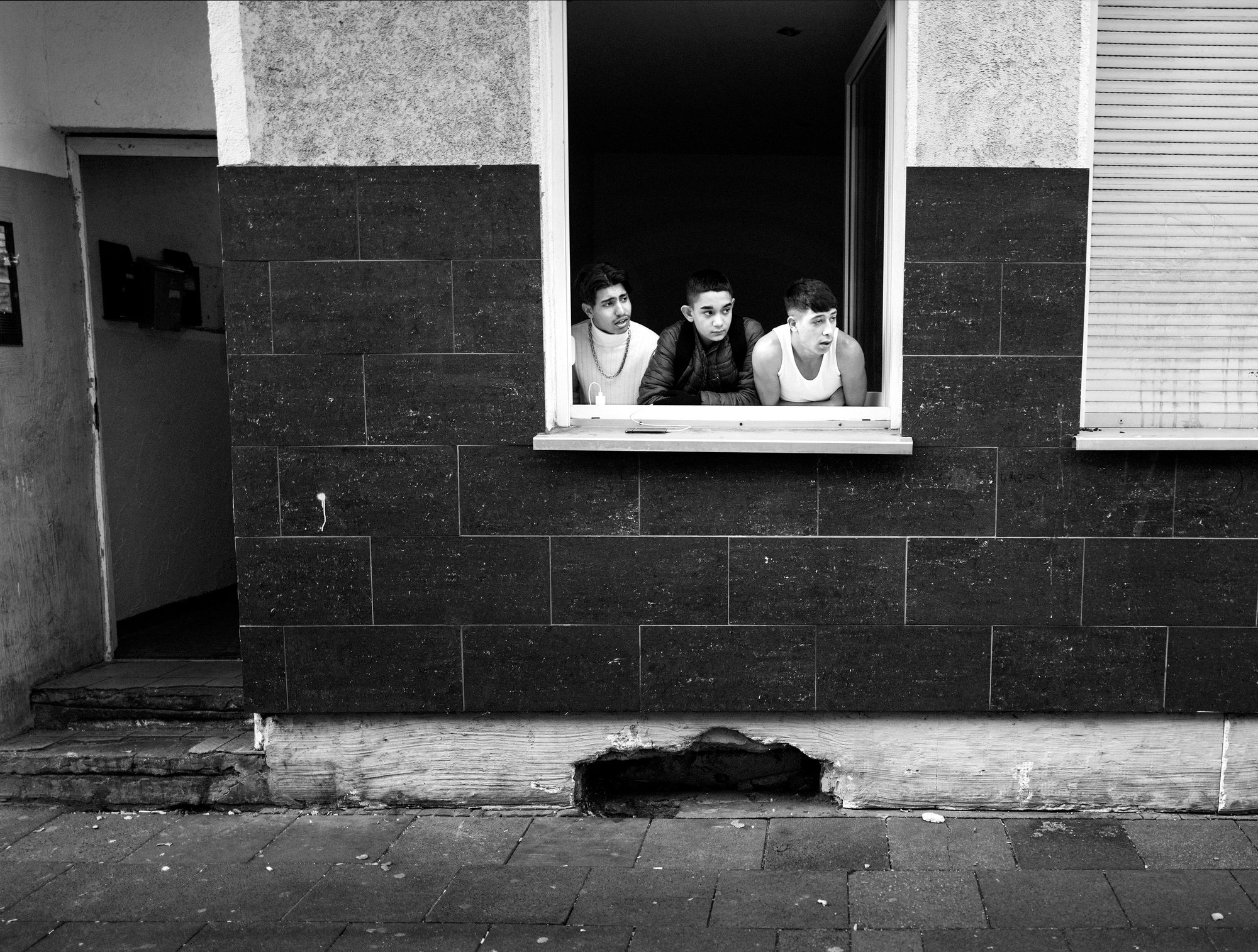
Germany is a supposedly rich industrial country, and yet one in five children lives in poverty; in areas such as Duisburg-Hochfeld this increases to more than every second child. In an environment where different communities mix and criminal gangs sometimes clash, there is a daily struggle for legal and illegal resources. Prostitution, drugs and arms trafficking show the supposedly fast money that can be made, and make growing up here difficult. My long-term documentary project is about teenage life, social injustice, identity and belonging. The kids I photograph often don’t know their parents’ home country and nor do they feel accepted in Germany, so they use the digits 053 from the postcode of Duisburg-Hochfeld for identification instead. These are the 053kids. Many worlds collide in Hochfeld. Here, the last remaining old-established residents, who are just as frustrated with the decline of the neighbourhood as the young newcomers are struggling with the lack of prospects. How is it that Germany still does not see itself as a country of immigration, when there are districts like Hochfeld where 94% of the under 18s have a migration background? How can it be that some people here buy their beer from a Lebanese and then vote for right-wing parties? Why is social advancement from such neighbourhoods still so much more difficult than in comparable countries? 17-year-old Apo describes being from Hochfeld like this: „We used to be known for steel and football all over Germany. Steel is no more and the local team plays in the third league... But Hochfeld is now one of the worst districts in all of Germany. That‘s the only thing we‘re still the best at.“
No categories selected
Photos (1)