Arsenico
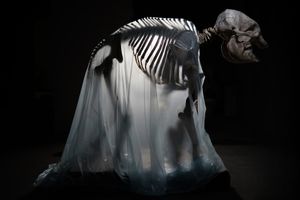
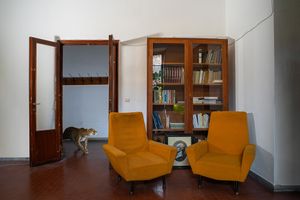
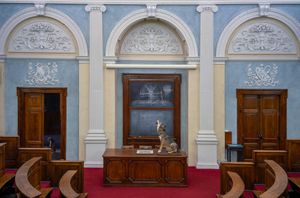
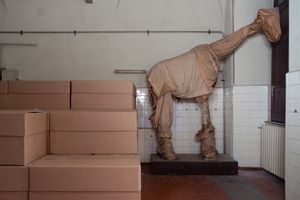
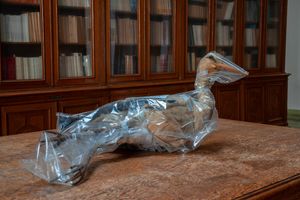
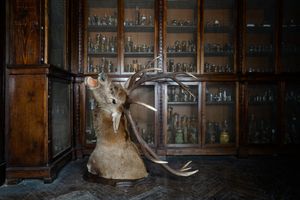
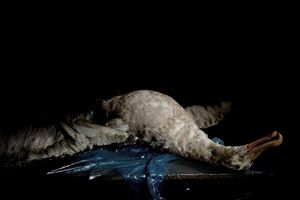
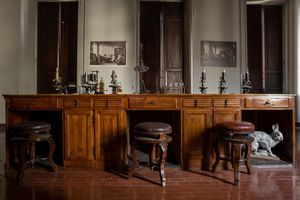
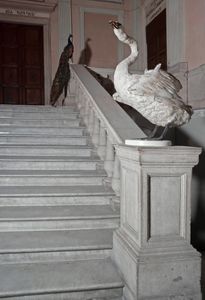
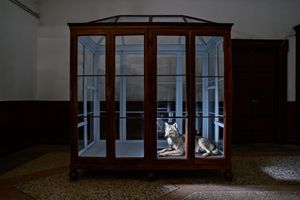
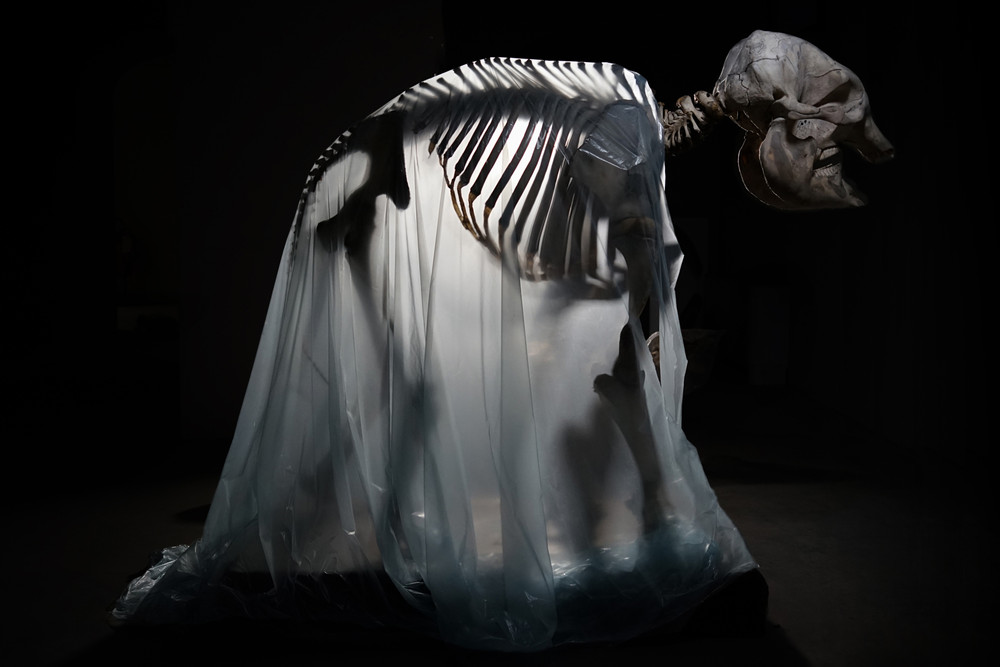
To be born, to die. To be reborn and return to die, leaving new traces of oneself. Outside, the pandemic, immobility, absence. Inside, the silent reorganization of an ancient museum. And among the precise and scientific movements of the curators there is an alien, subtle phenomenon. The stagnation of a period in which everything is still and with no way out must end. Shrugging off the pandemic lethargy, man rejects decline, contrasts it, overcomes it with a decisive and daring plan: to bring death back to life. With the stubbornness of science on the one hand and the visionary and unbeatable strength of the dream on the other, the people moving in the museum interact and win the challenge. Arsenic - a vector of death but also of life, as the keeper of fleeting genetic traces - preserves and ferries the specimens into the future. Under the veils, something resists: a mute but tangible presence that shakes off the dust and reclaims the spaces. And so, in the strong and vital heat of a symbolic summer full of energy, a summer that is extraordinarily different from all the past ones, the animals begin to move around the rooms. Glass eyes, wooden cores, skins that wrap artificial bodies; living a different life, the specimens embody a new reality. Blind gazes, motionless movements, listening without hearing. Yet, in all this, these animals harbor lymph, redemption, openness to the future. A line has been drawn. Nothing happens without influencing the flow of events. And somethi
No categories selected
Photos (10)