
There Was A Shipyard
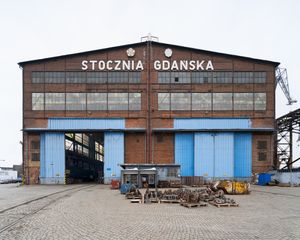
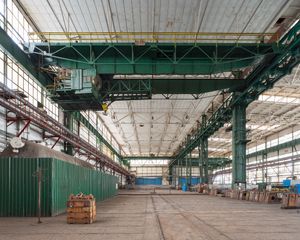
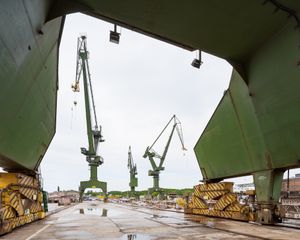
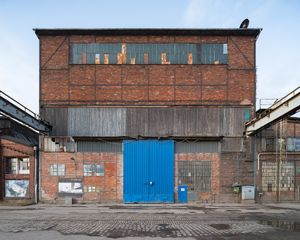
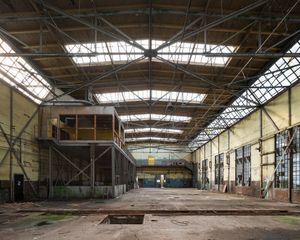
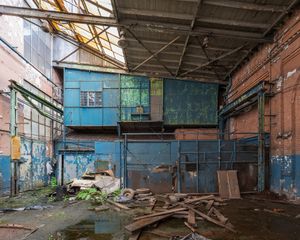
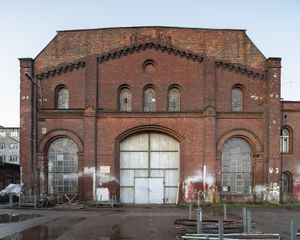
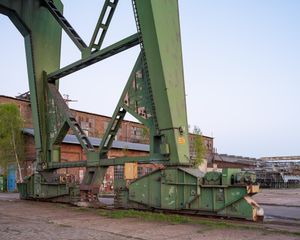
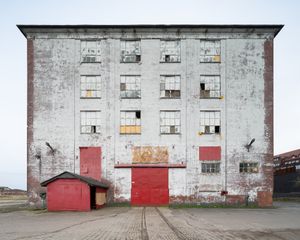
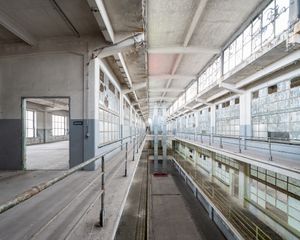
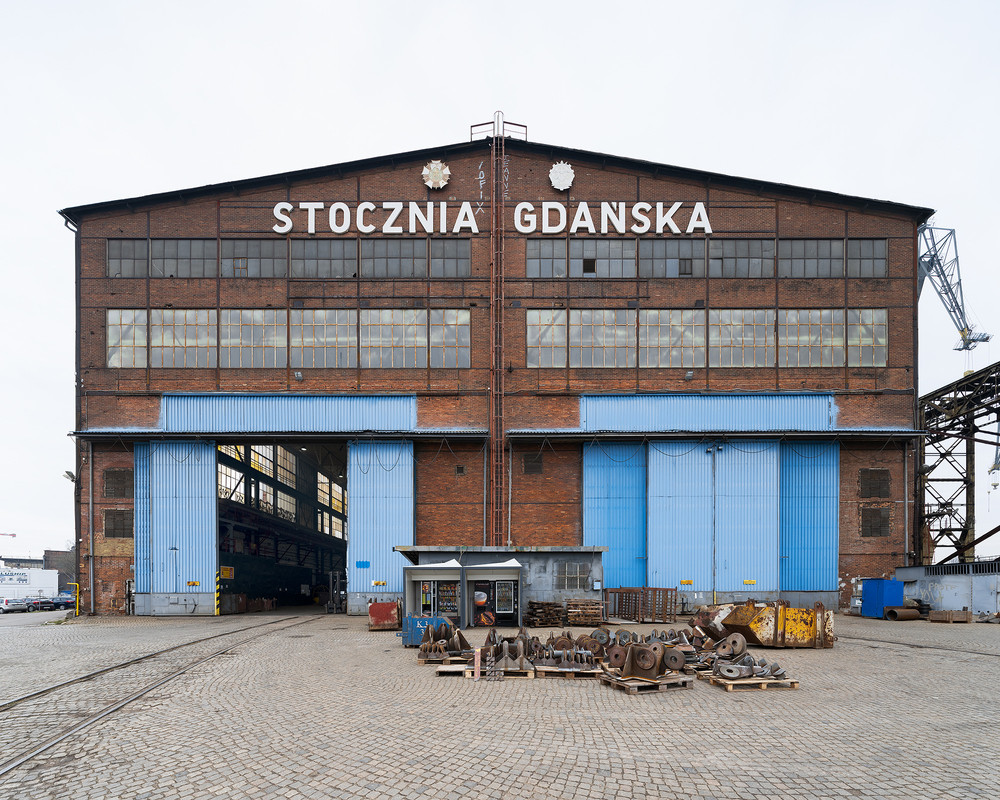
The origins of shipbuilding in Gdańsk date back to the second half of the 15th century. The shipyard known as Stocznia Gdańska was established after World War II through the merger of several shipyards operating in the area. This area, which is a testimony to centuries of industrial development, has also become a theater for important events in the history of Poland, one of the symbols of the nation's struggle for freedom and democracy, and the birthplace of Solidarity movement. Despite its historical and symbolic significance, the shipyard did not survive in its original form during the period of political transformation. Its recent history is characterized by turbulent transformations in ownership and space. The history of the Gdańsk Shipyard consists of a description of events, but also of material components, including architecture and topography. Thanks to material evidence, the result of the work of generations, we are able to experience the past, build historical awareness and a modern identity. However, history written in architecture can be quickly erased due to accidents, natural disasters, but also economic factors and deliberate human action. The photographs presented in this book were mostly taken between 2020-2021 during several dozen visits to areas formerly occupied by the Gdańsk Shipyard. They depict the architecture and topography of the places that remain after the closure of the shipyard within its historical boundaries.
No categories selected
Photos (10)