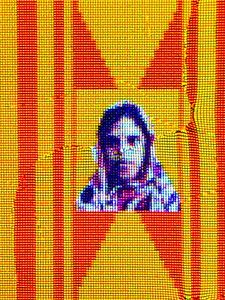

Amid the pandemic, on July 9th, 2021, a fire in Hashem Foods Factory killed 52 workers in Bangladesh. I saw the news footage of the blazing food and beverage factory in the news while having lunch with my mother. The visuals were not something new, and the following news of relatives showing passport-size photos to the media to know the whereabouts of the dead workers was not foreign to the citizens of this country as well. The faces of those passport-size photos look familiar- many of them were as young as 14- like we have seen them many times before. As a matter of fact, we have seen the same scene many times in the recent past. These faces seen in the LED screens became synonymous with institutional murders due to negligence and the denial of justice history in Bangladesh.
According to the dictionary, an accident is an unforeseen, unimaginable, and sudden event. But when certain events occur repeatedly for similar reasons, which are linked to systems or structures or regulatory practices, they are no longer accidental or unforeseen, are no longer unforeseen accidents, and those become the result of managerial or structural negligence. The incidents in which many people- often minor-are injured and killed in their workplaces in Bangladesh regularly, are caused by the whims of different individuals or due to the structure of the safety and precautionary system and its various inherent problems. It is questionable whether these incidents can be called mere accidents or not.