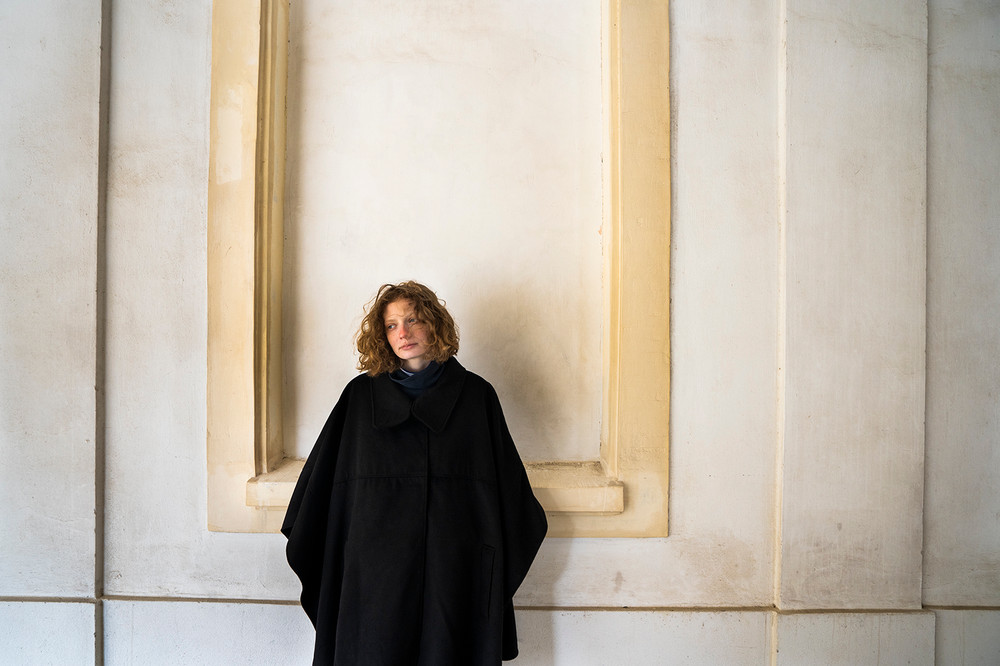
![Ursa Majeure [photography duo]](https://images.lensculture.com/image/a2ce0729-8e8d-4878-c06d-8f0b1b088000/thumb)
What art thou, Spleen, which ev’ry thing dost ape?
"In Europe, there was a fashion for melancholy. People delighted in appearing melancholic and such words as Schwermut or Schwärmerei (religious or mystical melancholy), spleen, ennui and Heimweh (nostalgia) were in constant circulation. Many philosophers assumed that melancholy was all-pervasive. The French Encyclopedia talked about "the habitual feeling of our imperfection." "Profound sadness became the badge of a way of life." Sentimentalism was part of the Age of Enlightenment: tear-provoking novels such as Richardson's "Pamela" and "Shamela," Rousseau's "La Nouvelle Héloïse," and Goethe's "The Sufferings of Young Werther," made the first bestsellers. Epistolary art, painting and the theater aimed to provoke sadness far more often than laughter. People sought to partake in sadness and valued its expression. It was considered good to cry so tears were frequently shed in public by both men and women. For example, book reading, done aloud and in groups, often ended in collective weeping. In France, melancholy was part of the code of the salons where the apostles of reason, Diderot and Voltaire, were repeatedly seen tearful. In eighteenth-century European aesthetic, tears implied a noble soul and a sad face was a sign of sensibility and compassion. Royal events provoked mass weeping and, at the time of the French Revolution, it was customary for the entire National Assembly to break into tears after a moving speech." From Kotchemidova, C. (2005). From Good Cheer to “Drive-By Smiling”: A Social History of Cheerfulness. Journal of Social History, 39(1), 5-37.
No categories selected
Photos (4)