ALL THE SOUNDS I REMEMBER
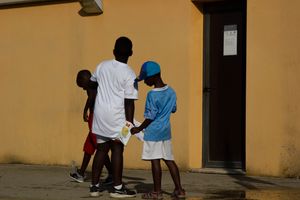
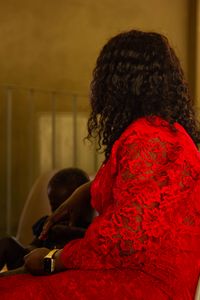
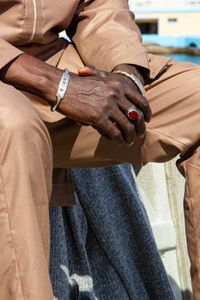
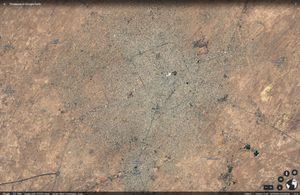
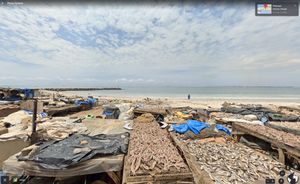
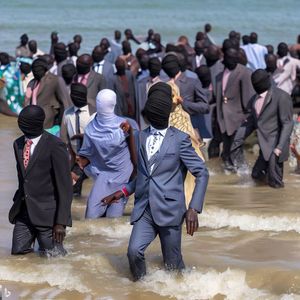
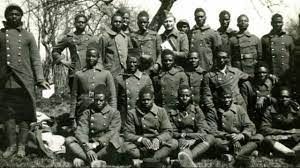
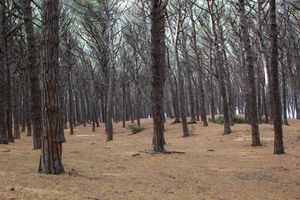
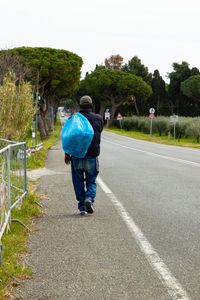
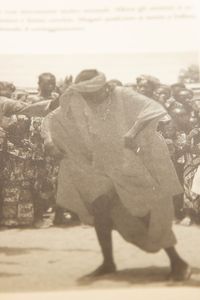
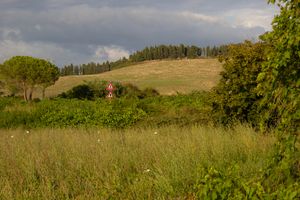
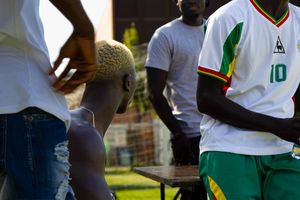
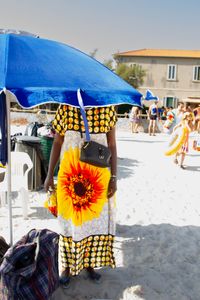
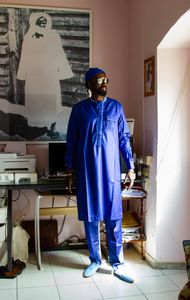
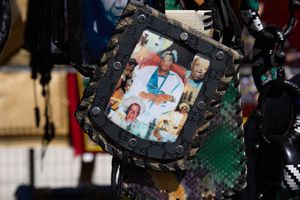
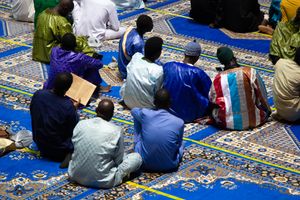
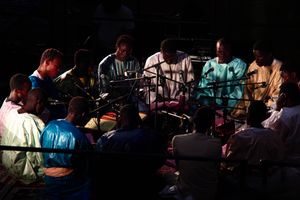
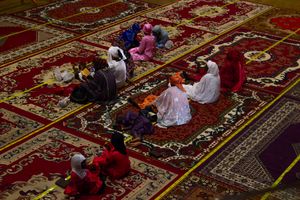
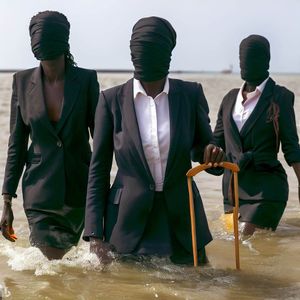
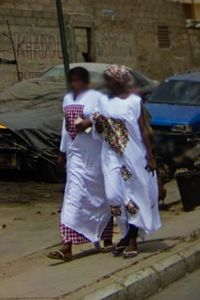
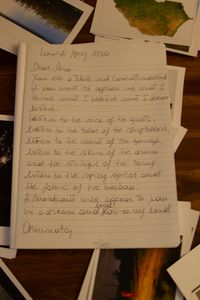
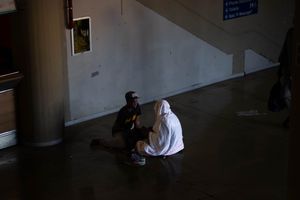
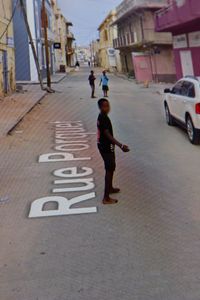
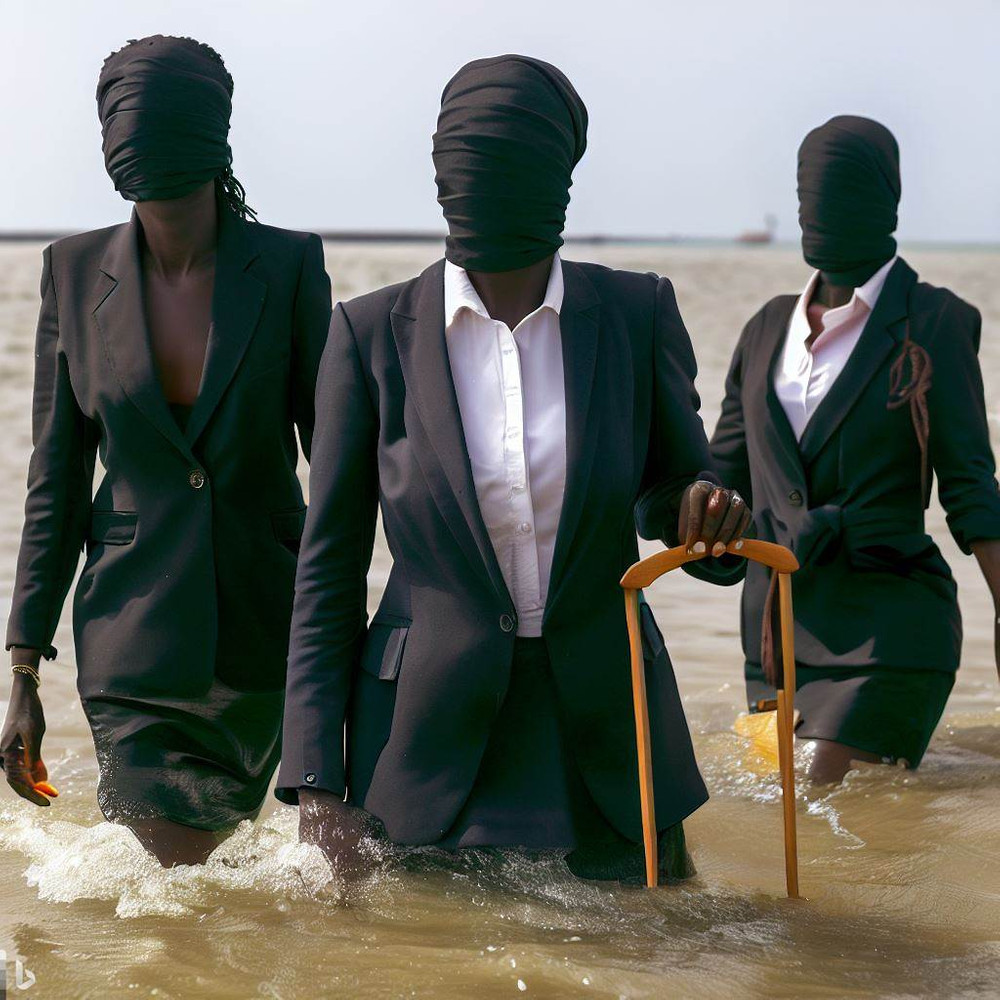
ALL THE SOUNDS I REMEMBER My work investigates the themes of: identity, temporality, rituals, witchcraft, money, love, and describes, starting with individuals, their own individuality. Sound will be used to bring to light memories, dreams, visions, truth, lies. In March 2023 I started, the project, ALL THE SOUNDS I REMEMBER. Starting with the key words, analyzed with Alexey Yurenev: archive and community, I opened the door of my house and realized that I shared my daily life with the Senegalese community and knew absolutely nothing about them. I wondered how is it possible to reconstruct the history of a country through its sounds and go and break down what was and still is the French domination over this country. I wondered what temporality Senegalese families live in. What is true and what is not. What they tell you is not true and then it is. Through the use of all visual strategies: photographs, google maps, AI, letters, drawings, videos, maps, I continue to put together pieces of an unknown reality. Every morning when I take my son to school, I meet Assane. Assane has the youngest daughter who attends primary school with Louis. All I know of Assane is the green color of his jacket, the blue of his jeans, and the black of his hat. I go to the supermarket and meet Diop, tall, walking slowly, if I look at him, he greets me, otherwise he does not. Louis' kindergarten friend is named Adoulaye but they go to two different schools now. Senegal. Every day I share my daily life with the people from Senegal who live in Cecina. About them I know nothing. About Senegal I don't know anything. All I know is wrong, the source of a colonial montage of exotic fantasies. In the library I find two books, I expected more, two they threw away because they were not needed. Cooperation, solidarity, humanitarian aid in one. Slavery, musical roots, America in another. I call the publisher of the second one. I get a reply from Faye Ndaye, called Sara. My name is also Sara. I tell her that I know nothing from Senegal and that thanks to my prof Alexey Yurenev, I discover the archive as a source of power, so everything is false. Sara, I tell her, I want to reconstruct the history from Senegal through music, through sound. What is the sound of Senegall? The griots, the storytellers, every Senegalese what would they tell about Senegal, the families in Italy how do they feel, what do they live, what time do they live in? Sara laughs. I go to Pontedera to her and Giuseppe a week later, and I come home with 23 books to read. Senegal. Polygamy, religion, rituals, money, appearance, obligations, savannah, slowness, sweat, respect, drum, drought, rains, hot wind, smallpox, middle age, dreams, sea, waiting, fear, hope, return, death, family, mother. In 1930 Aminata, lives in Louga, a small village in northern Senegal. Yaye Daro sells fruits and vegetables at the market. At sunset, in the hut, women eat semolina and water. I hear the savannah sand blowing and stinging, its rustling is slow, fast, slow, fast, it stops. Hair is polished and brushed, ironed and shaved. The skin is cleansed to the bone. Sh, sh, sh, sh - Zzzzzz - VvvVVVV. I rub my hands on my wooden table to reconstruct in letters what I would produce with my mouth, what I hear from so far away. Tubab, that's how they call me. Tubab. This is a story of fantasy, this is a story of memory, this is a story that no one knows how it began.From the real to the imaginative, I use every visual strategy as a medium for research and analysis. Ongoing project
No categories selected
Photos (30)