Home
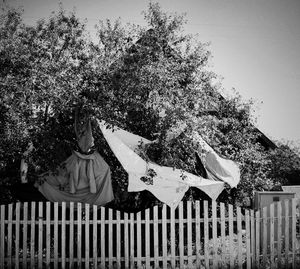
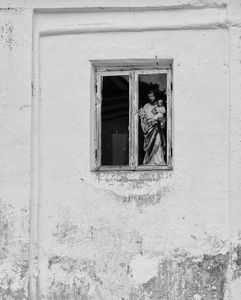
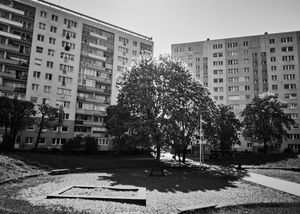
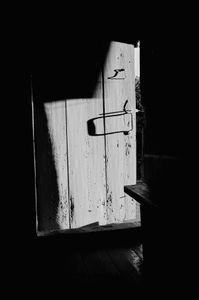
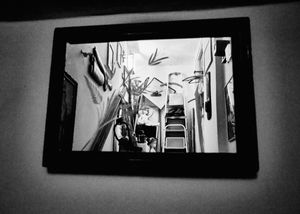
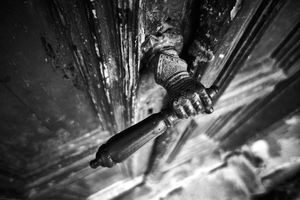
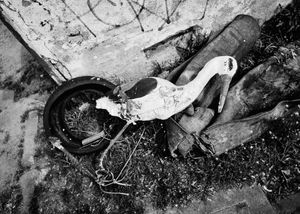
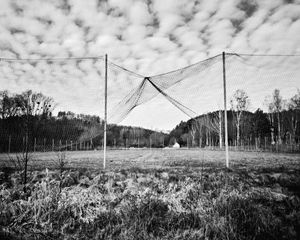
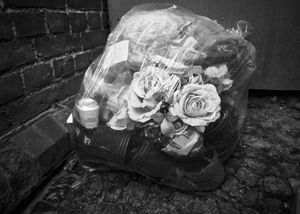
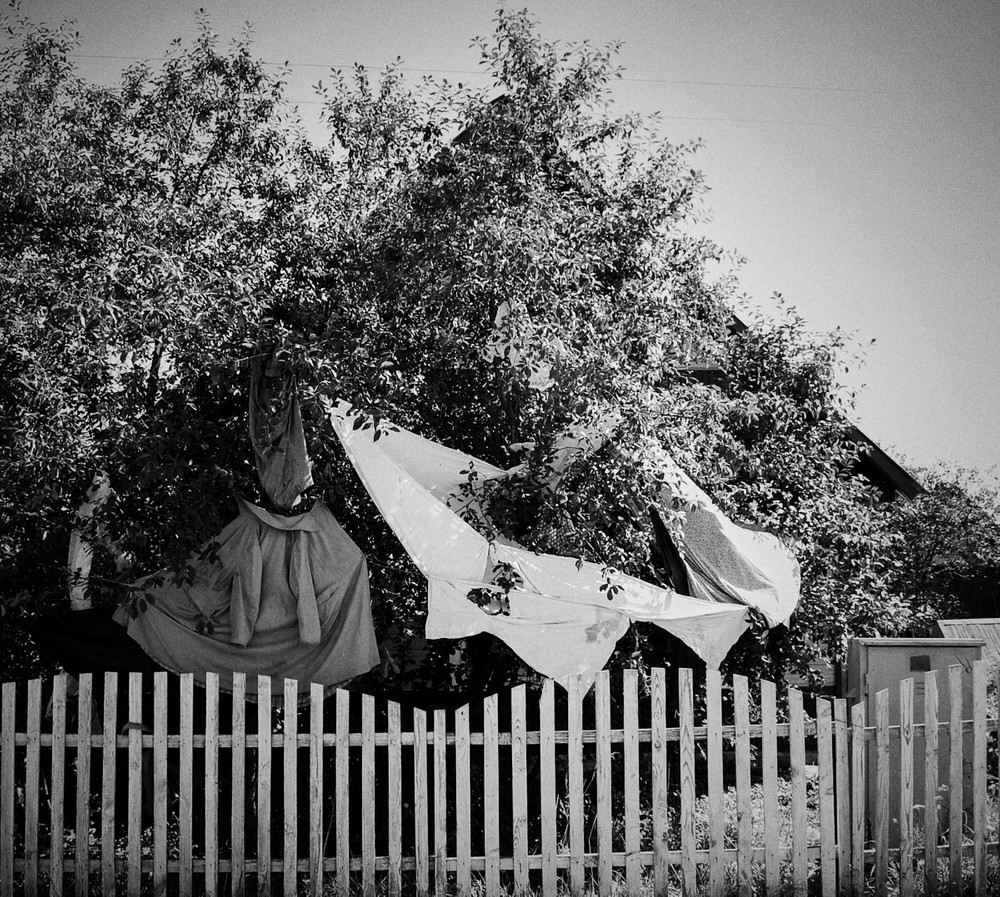
This ongoing project was sparked by the photograph which I took 15 years ago in the small town of Miadziel in Belarus where my wife was born. We used to visit this nice place frequently, but a year ago with our children we had to leave Belarus because of the political situation and the war in Ukraine. Although the place that we feel our home in Minsk is not destroyed, we can't return there and I have no idea if this possibility will ever appear. Now that I and my family are living in Poland, the topic of Home is particularly sensitive for me. When I think about home as a notion, I associate it with incessancy -- continuity and uninterruptedness -- which is connected to the ideas of place, people, family, and time. That 15-years old photograph (which opens the series) portrays home as a representation of this incessancy. Unfortunately, the reality now is different in my part of Eastern Europe with thousands of people being made to leave their places. History repeats itself once again in this region. I and my children left home for a long time; there are only our ancestors who are still there. There are a bunch of questions that I ask myself in this situation: Will that place stay home for us? Will we be able to at least visit that place? Will our children stay connected with that place and people there? Will incessancy retain?.. Surprisingly, thanks to Czeslaw Milosz I realized that loosing home is tethered to exploration of my internal freedom. Although I don’t tend to consider my situation as an exile, outstanding authors of the XX century used this very word. From Czeslaw Milosz’s “On exile”: "Exile is a test of internal freedom and that freedom is terrifying. Everything depends upon our own resources, of which we are mostly unaware and yet we make decisions assuming our strength will be sufficient. <...> Once Friedrich Nietzsche exalted the freedom of height, of loneliness, of the desert. Freedom of exile is of that lofty sort, though it is imposed by circumstances and, therefore, deprived of bathos. A brief formula may encapsule the outcome of that struggle with our own weakness: exile destroys, but if it fails to destroy you, it makes you stronger." The thing is that internal freedom is not something inherent for me who was born in Soviet Empire and lived the whole life in the post-Soviet Belarusian society. "Who knows whether it is not in man's lack of an internal core that the mysterious success of the New Faith and its charm for the intellectual lie? By subjecting man to pressure, the New Faith creates his core, or in any case the feeling that it exists. Fear of freedom is nothing more than fear of the void." (Czeslaw Milosz, "The captive mind") The trickiest thing was pointed out by Joseph Brodsky in "The Condition We Call 'Exile'": "But perhaps our greater value and greater function are to be unwitting embodiments of the disheartening idea that a freed man is not a free man, that liberation is just the means of attaining freedom and is not synonymous with it. This highlights the extent of the damage that can be done to the species, and we can feel proud of playing this role." Now I feel that my perception and understanding of the notion of home are changing. Up to now, I was living with the idea that motherland is the home. In the current situation, the very word "motherland" — being referred to Belarus — sounds as an abstract and tend to be empty. I understood that home differs from motherland -- motherland is taken for granted, but home is the place that I can choose. As Nanjala Nyabola put it in "Traveling while black”: Kenya was pushing me to think critically about what it meant to be home. We love to tell ourselves these beautiful stories about how we all have homelands because we all come from somewhere; but, the older I get, the more I question these fairy tales. Some of us are away from home because it mangles up our sense of self and continuously spits us out. Some people find home in journeys and travel, in disconnection and transience. For some people, home is not a geography but a state of mind -- it's wherever they can do work that feels meaningful or useful. <...> ...home isn't a place, but is in the ever-changing community or fellowship of people who see the world the way you do, and find the words to describe it." In other words, one acquires home as a result of personal choice. And it is internal freedom that is required to be able to choose.
No categories selected
Photos (12)