
The light on things
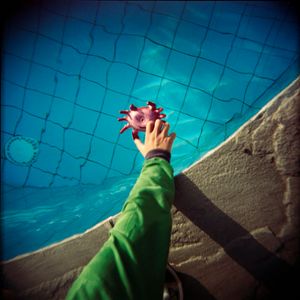
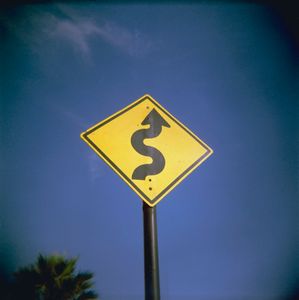
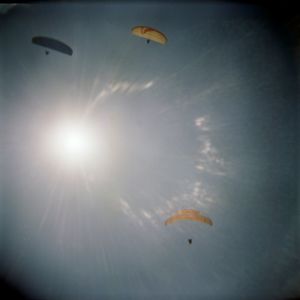
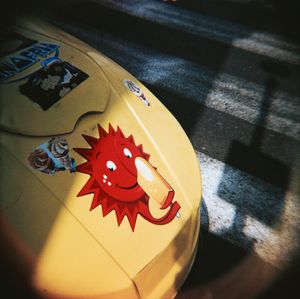
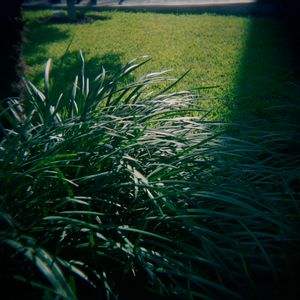
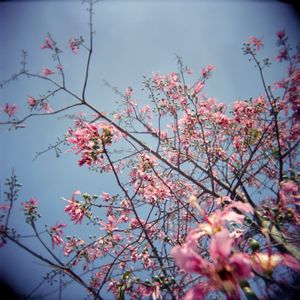
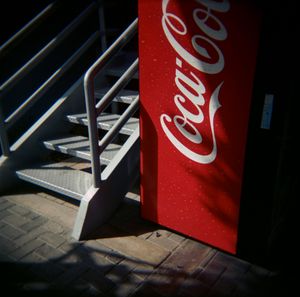
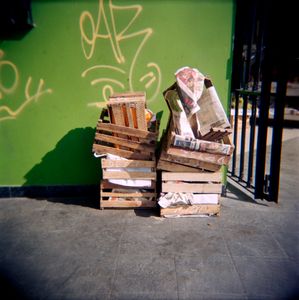
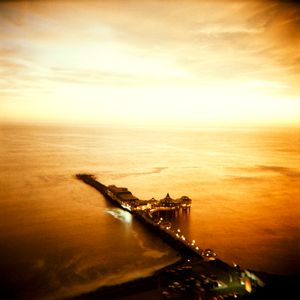
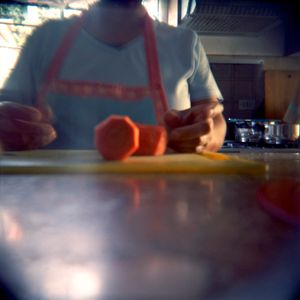
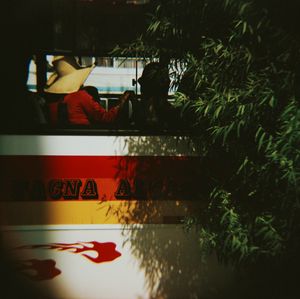
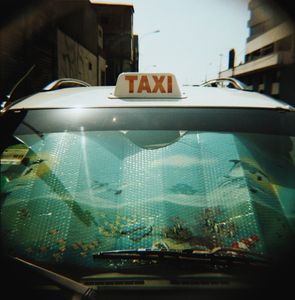
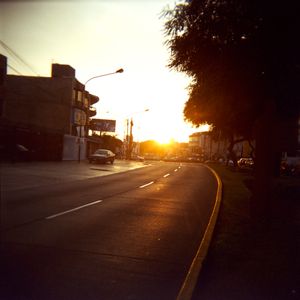
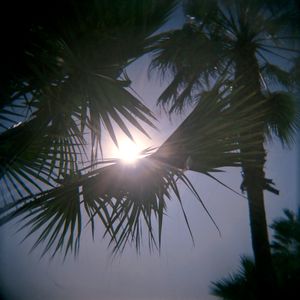
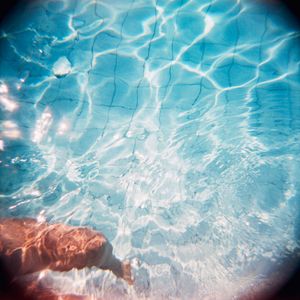
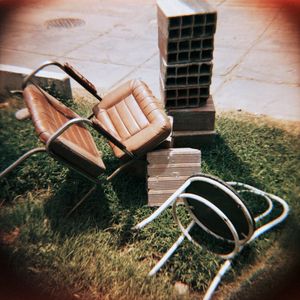
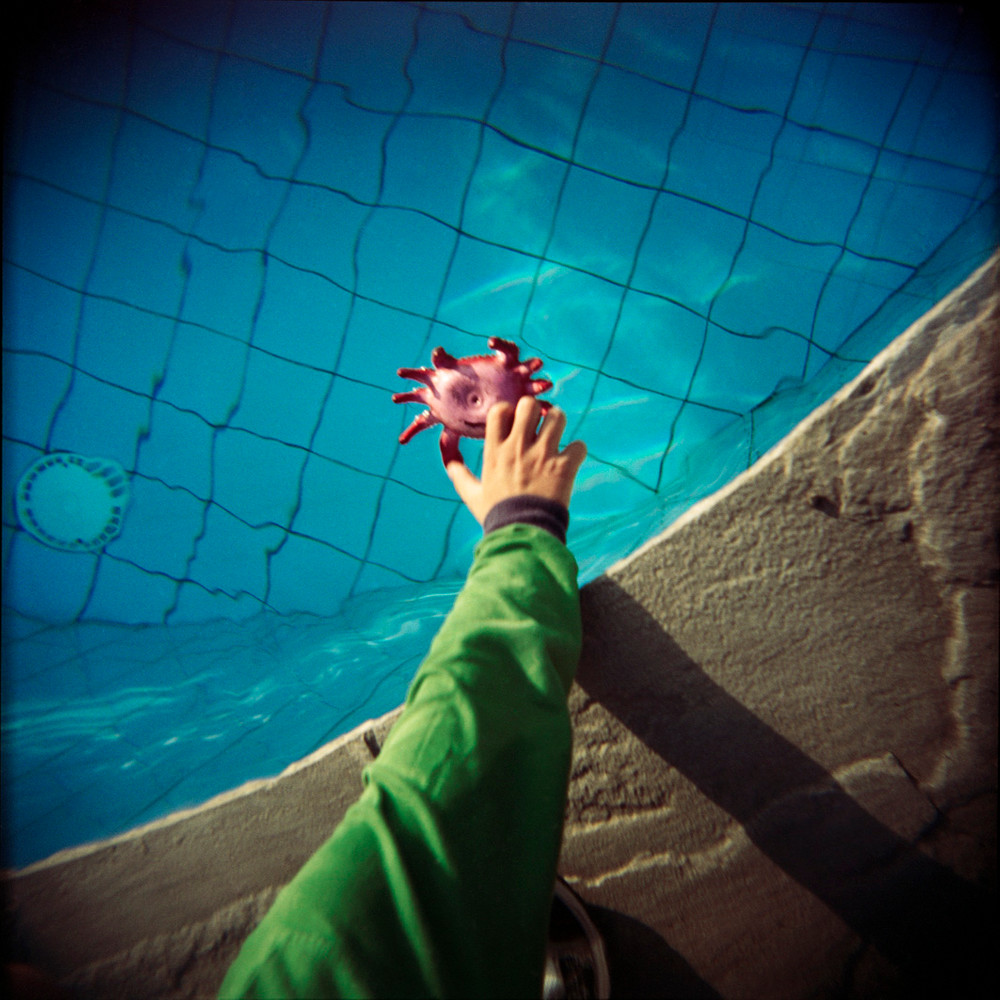
Since the invention of the first Kodak camera at the end of the 19th century, photography has established a privileged relationship with everyday life. Thanks to their versatility and ease of use, the small cameras have become indispensable companions for trips and excursions, as well as for parties and family celebrations. Over time, the facility they offered to record moments gave way to a new genre of photography: the snapshot, with which moments and circumstances of all kinds began to be recorded, from the most important to the most banal. With this, everyday life changed its face and began to look more and more like a photo album. Long before the digital revolution, the cultivation of this genre found in cameras such as the Polaroid, the Diana and the Holga the ideal tool for recording all aspects of daily life. Far from the refinement of SLR cameras, the plastic optics of these cameras or their instant development systems became a standard in the recording of everyday life, one that today tastes like nostalgia and that, despite its limitations –or precisely thanks to them– he generated an aesthetic that we now consider vintage: an air of childhood memories and moments in which the peculiarity of light becomes the aura of the memorable. This is precisely what Dante Pineda explores in The Light on Things: a record of everyday moments in which light becomes the protagonist because it generates the atmosphere of memory. And it is certainly not by chance that Pineda resorts to cameras with plastic optics or instant development systems for his work. Far from the extreme sharpness of the ever-increasing megapixels of today's digital cameras, the images in Light on Things make low-tech a virtue and manage to rescue the particularity of Lima's light, which becomes so propitious to revive childhood memories and give images emotion. Carlo Trivelli
No categories selected
Photos (16)