![Ursa Majeure [photography duo]](https://images.lensculture.com/image/a2ce0729-8e8d-4878-c06d-8f0b1b088000/thumb)
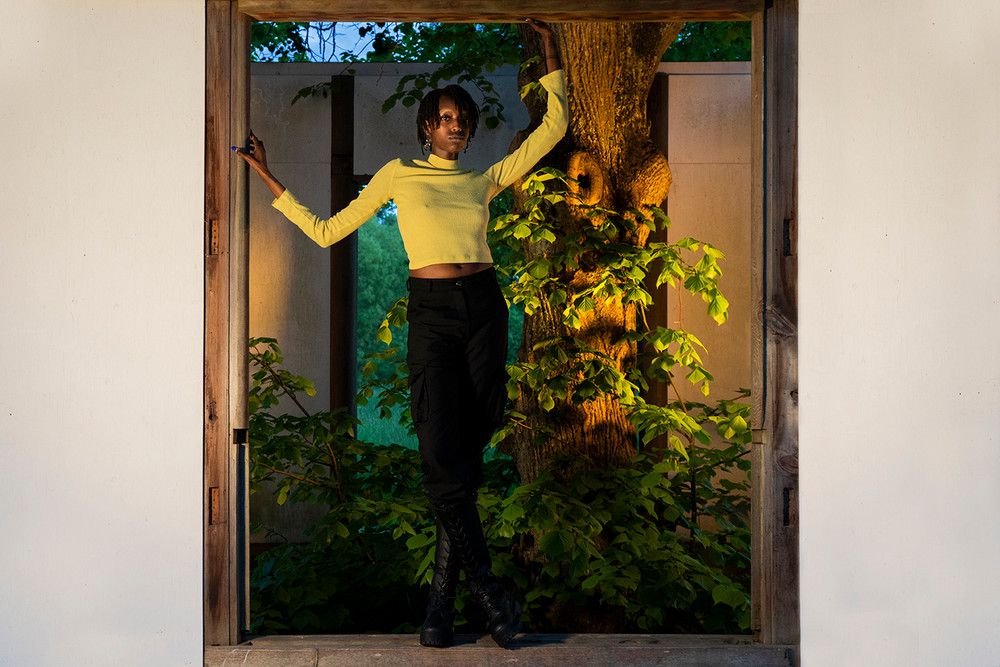
Binghi in Solitude
"[F]ilms made shortly before and after 1900 often make explicit the contrast between the new medium of film and the traditional arts by means of the motif of the statue or the painting coming to life. In so doing, early film continued a form of popular entertainment that combined the art of the theatre with those of painting and sculpture, namely the tableau vivant, or living picture: a theatrically lit composition, often based on a famous artwork or literary passage, of living human bodies that do not move throughout the duration of the display. Tellingly, the tableau vivant tradition started out as a statue vivant practice and, in many cases, persisted in this manner." From Adriaensens, V., Jacobs, S. (2015). The sculptor’s dream: Tableaux vivants and living statues in the films of Méliès and Saturn. Early Popular Visual Culture, 13(1), 41–65.
No categories selected
Photos (1)