For Mexico, sharing a border with the United States is both a blessing and a curse – a massive consumer class at its doorstep and a sometimes petulant imperial power as its northerly neighbor. The Mexican capital has been and continues to be the center of power for a nation navigating, regulating and promoting widespread corruption, persistent unfathomable everyday violence and now as a host to a new array of global migrants and refugees at the border; a new found leverage on the US.
Mexico city decides; the rest of Mexico fights, competes, exploits and allocates how those decisions get implemented. In the process a skewed power structure goes unchanged under a noisy spectacle of a saccharine pop culture and a nightly graphic report of the day's violence. The order of things is not so obvious in a country that has witnessed the growth of the narcos’ influence to monstrous proportions. In addition to the curse of being an oil state (that has given Mexico a myopic vision of itself) Mexico is locked into a political macabre dance with the US; something they have been practicing for a long time.
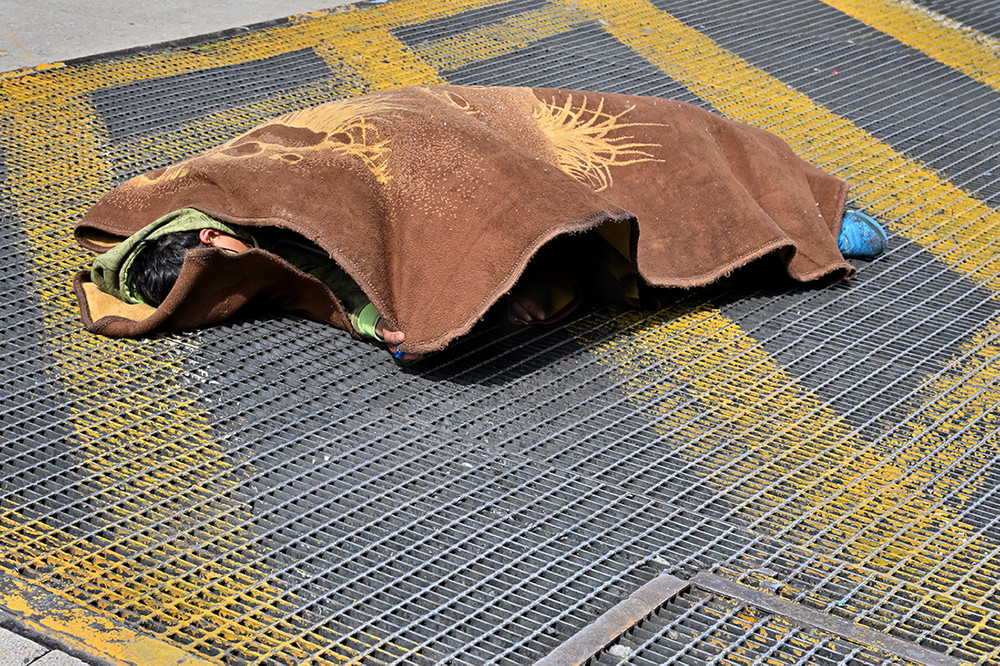
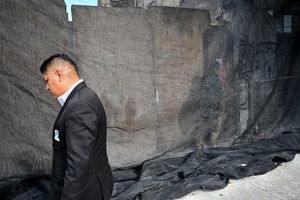
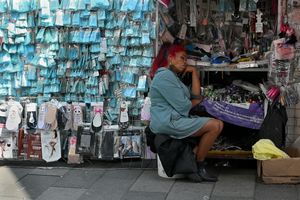
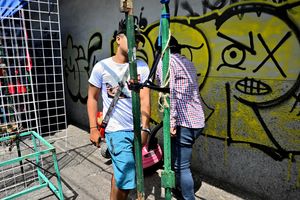
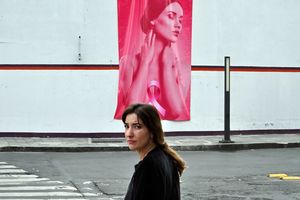
I have been photographing the vernacular activity and urban character of these streets with an approach that seeks to represent a specific place while simultaneously speaking to larger issues. Perhaps expressing obliquely the pressure that these three forces, oil economy, imperial coercion from the north and narco infiltration to the whole of society, exercises on its citizens.