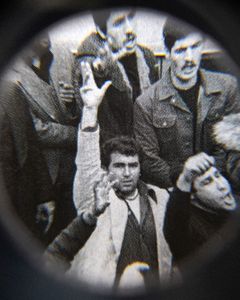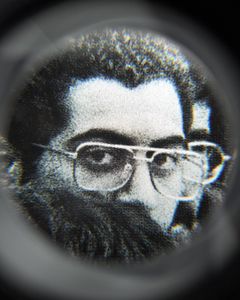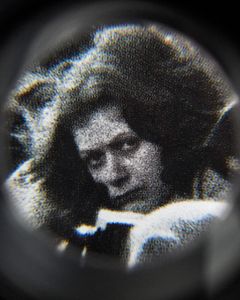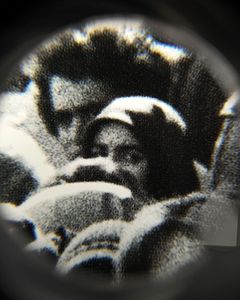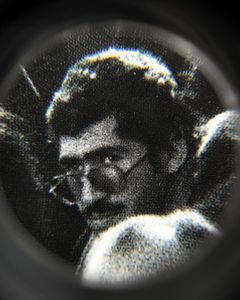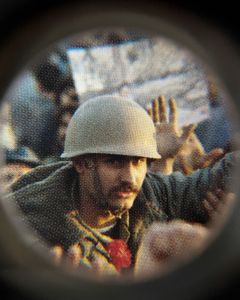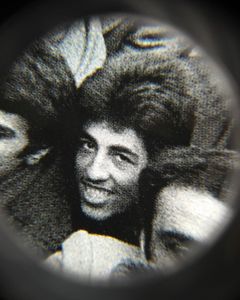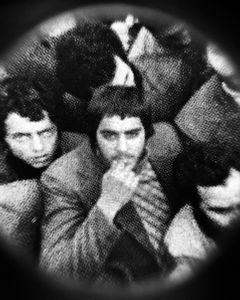

Eyes Dazzle as They Search for The Truth
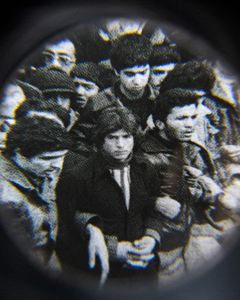
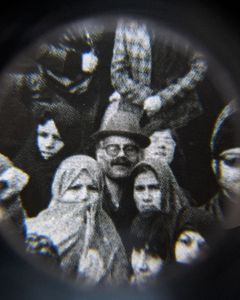
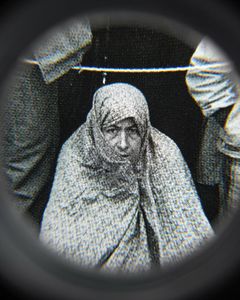
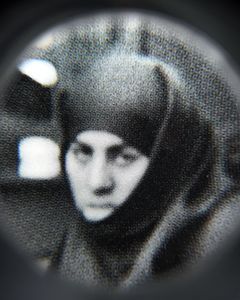
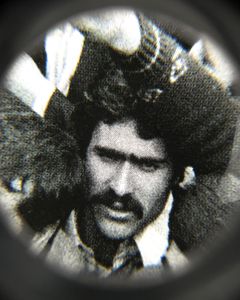
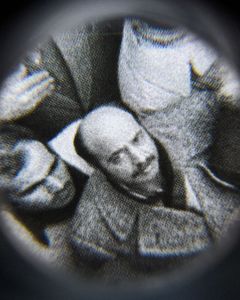
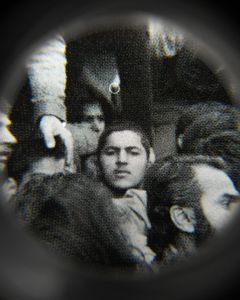
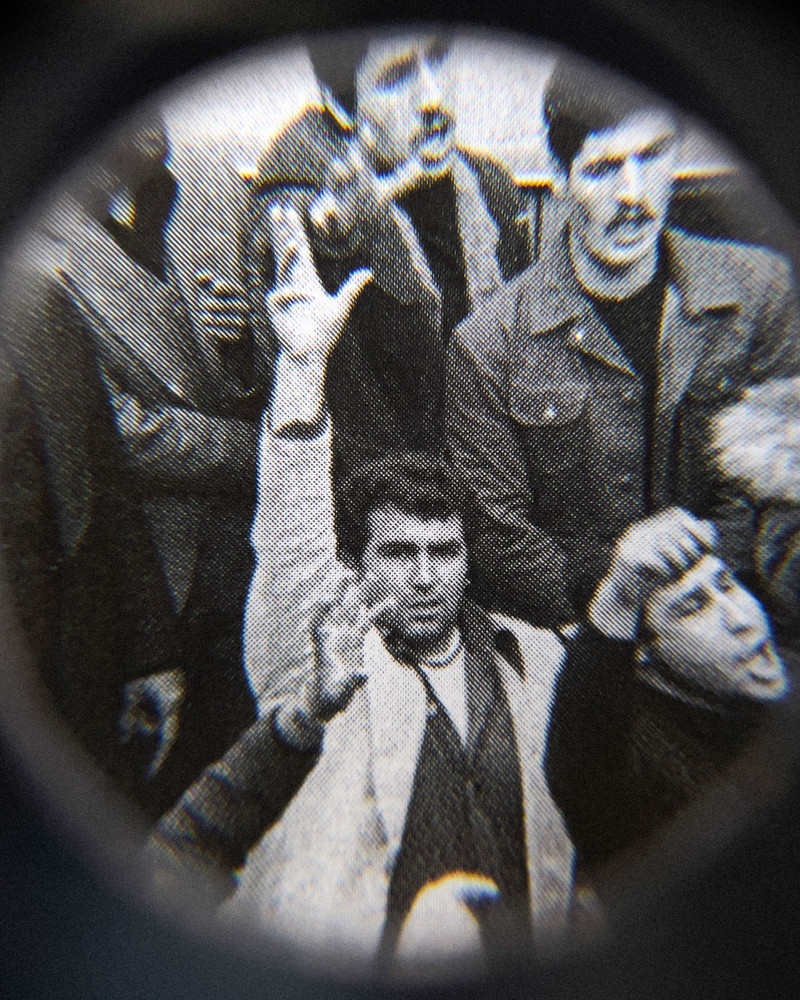
How could it be that the sound of a 35mm camera shutter attracts the attention of a protestor in a crowd? As if the photographer used a megaphone to say “One, Two, Three, Cheese...“ and some participants gazed out of the atmosphere to stare at the camera. I want to find my suspects like a detective among the revolutionaries of Iran in 1978-1979. The Iranian revolution stands as a paramount milestone in the Middle East over the past five decades, exerting multifaceted ramifications that have reverberated throughout the region. This project highlights individuals who looked out from among the masses at a crucial moment in history and stared into the lens of a camera. The photographer is usually the one that is in control of the image being captured. The photographer chooses the mise-en-scène by choosing their position. In these photographs, the anticipated relationship has been reversed, as the photographer was influenced by the crowds and the eyes that turned towards the camera. As if the subject and object had exchanged places. This reversal of roles had a significant impact, as it was the people themselves who took on the task of capturing the image with their gaze, rather th
No categories selected
Photos (15)