
Waiting for Better Days
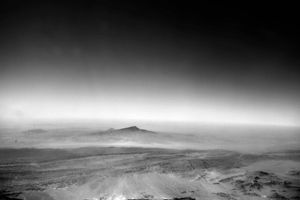
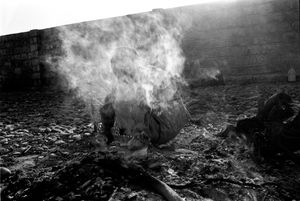
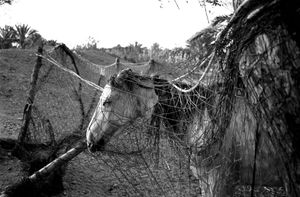
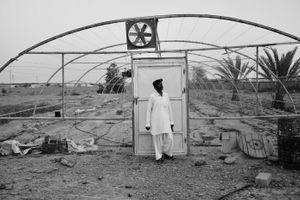
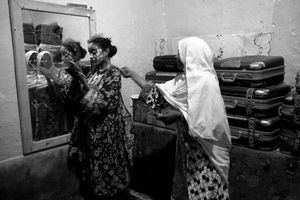
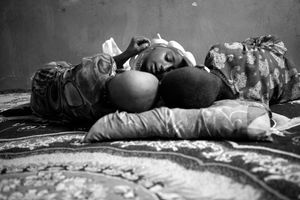
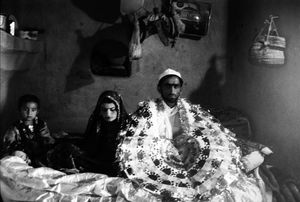
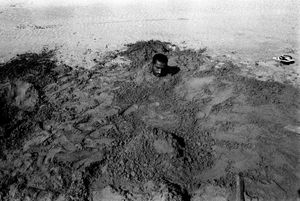
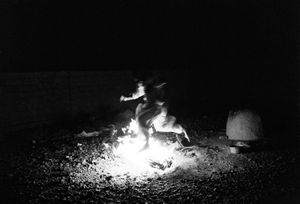
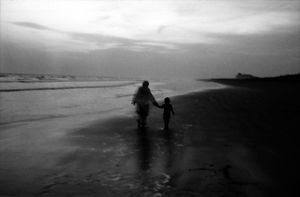
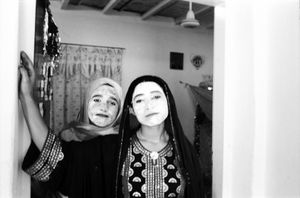
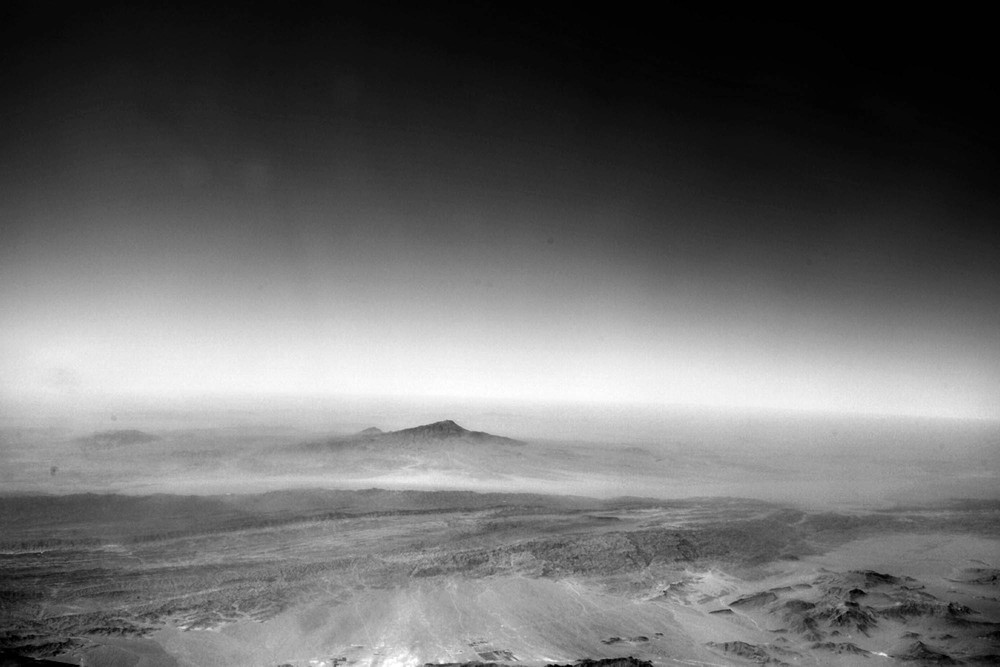
As someone who grew up in Tehran, the vast desolation of Iran’s rugged countryside always attracted me. In 2009, I travelled to Negur with my analogue camera, the Nikon F100, and started my first documentary photography project at age 20. Since then, I have travelled to this remote corner of Iran for over a decade. Sistan and Balochistan Province is the only province in Iran that shares its border with Afghanistan and Pakistan. Thus, this area is of great geo-political importance, not just in modern times but also historically. Unfortunately, the impact of Wahhabi ideology on the Balochi people has endangered the open practice of old Iranian customs. The Location of Sistan and Balochistan on the Gulf of Oman (Makran coast) has resulted in ethnic mixing with non-Balochi people in the last 500 years. During the Safavid period, the Makran coast came under attack from the Portuguese, who made their way to the Persian Gulf from bases in India. Portugal, which had established a vast maritime empire in the Indian Ocean, brought over Africans and Indians as part of the slave trade. These slaves, later on, were released and absorbed into the local population, mostly among Balochis.
No categories selected
Photos (15)