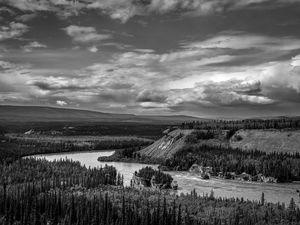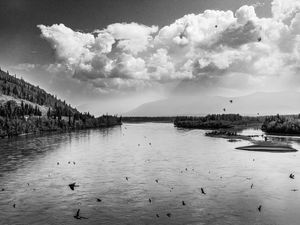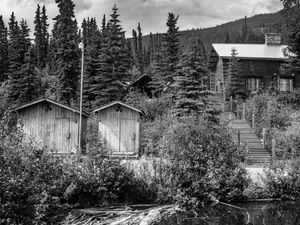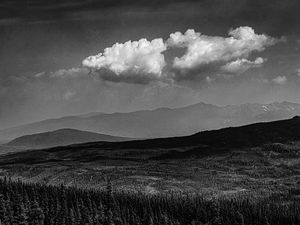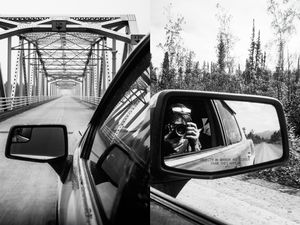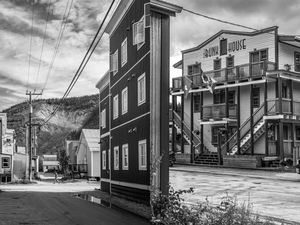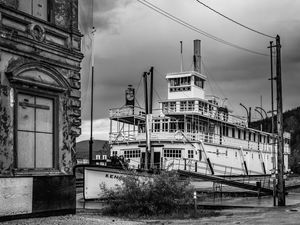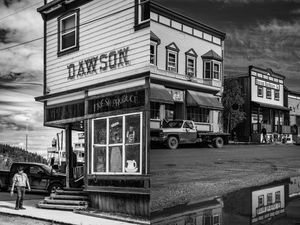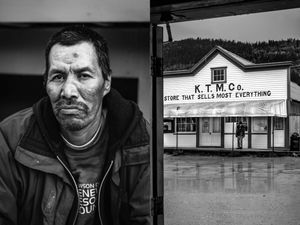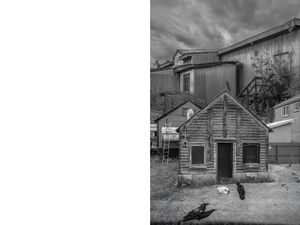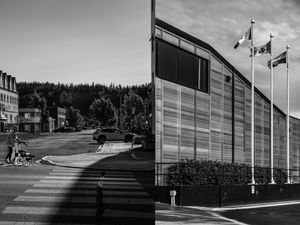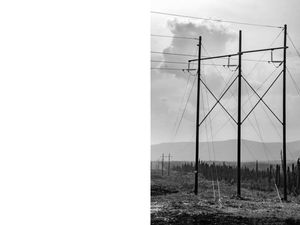

Goldnuggets under the midnight sun
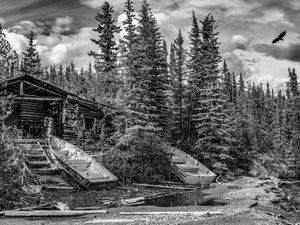
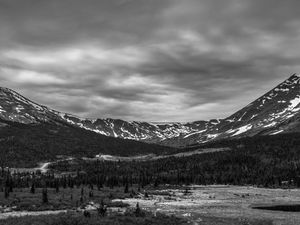
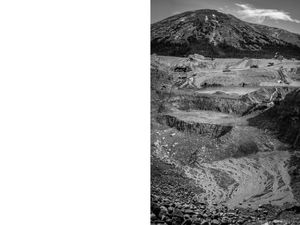
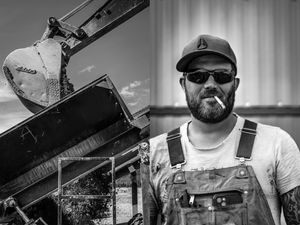
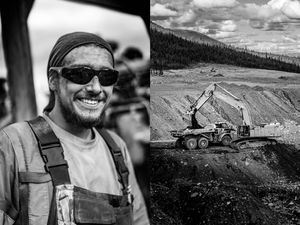
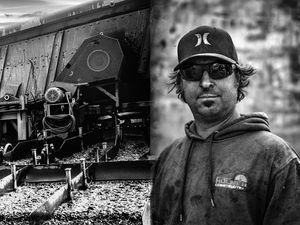
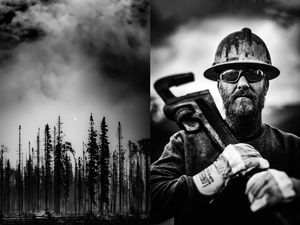
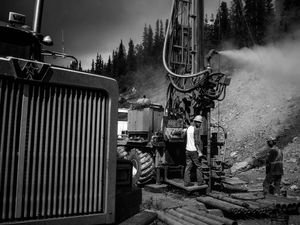
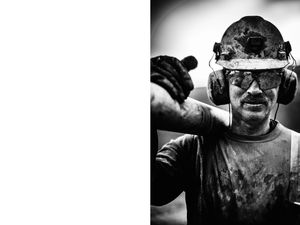
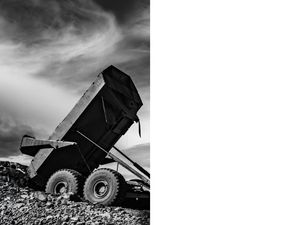
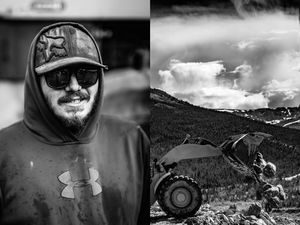
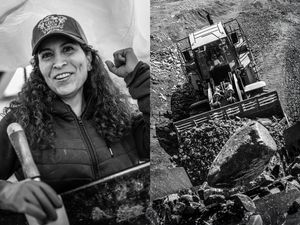
The Klondike Gold Rush was a pivotal event in the late 19th and early 20th centuries that saw a massive influx of prospectors and fortune seekers into the Yukon Territory of Canada. This gold rush, which began in the late 1890s, was one of the last great gold rushes of the 19th century and had a profound impact on the region and the people who participated in it. The prospectors came from various parts of the world, including the United States, Canada, and other countries, all with the hope of striking it rich by finding gold. Placer mining was the primary method of gold extraction during the Klondike Gold Rush. Placer mining involves sifting through riverbed gravel and sand to separate gold flakes and nuggets from the surrounding material. This method was well-suited to the Yukon's terrain because it didn't require extensive equipment or deep mining operations. Placer mining in the Yukon continues to be a significant part of the territory's mining industry, albeit on a smaller scale than during the historic Klondike Gold Rush. While large-scale industrial mining operations are also prevalent in the region, modern-day placer mining still plays a role in Yukon's economy.
No categories selected
Photos (49)