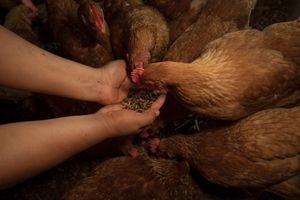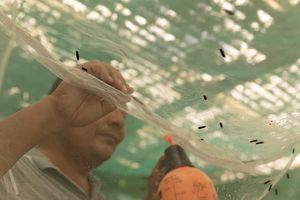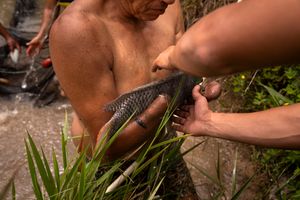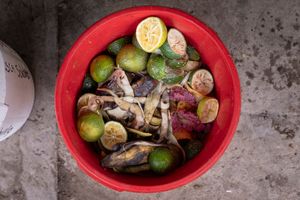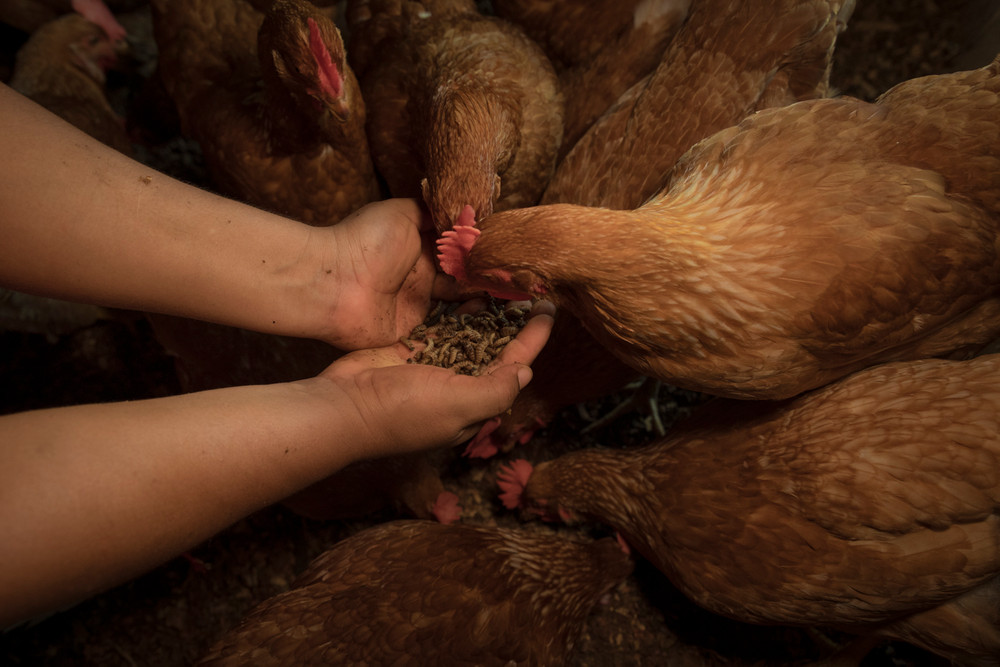

Some insects can be fed organic waste, bioconverting it into feed for animals - like chickens, or many freshwater fish - that eat insects in their natural diet. Moreover, the biofertilizer produced through the insect farming process, has the potential to rebuild soil infrastructure.
It’s in the tropics that ideal conditions occur, therefore in many rural areas of Africa, Asia and Latin America insects provide an affordable way to alleviate poverty and a pathway to community sovereignty.
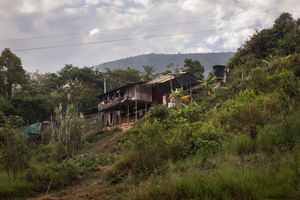
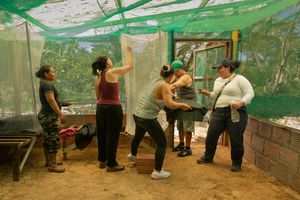
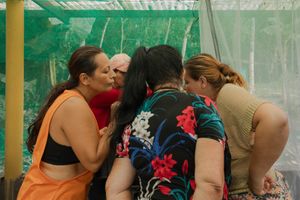
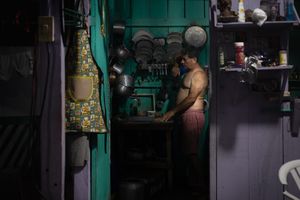
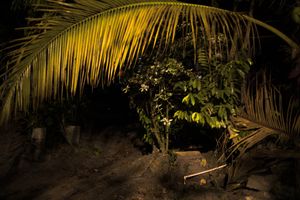
“Insects For Peace” portrays a social project that promotes the reintegration of former members of the “Revolutionary Armed Forces of Colombia - People’s Army” (FARC-EP) and supports the livelihoods of indigenous people, training them to become smallholder insect producers.
Training projects like “Insectos Por La Paz” also exist throughout rural areas of Africa and Asia, and most participants are women.
“Insectos Por La Paz” is an inspirational example of what insect agriculture can do in the Global South.
This series is part of my ongoing project, I N S C T S, that documents the responses insect farming offers to current pressing environmental and social challenges.