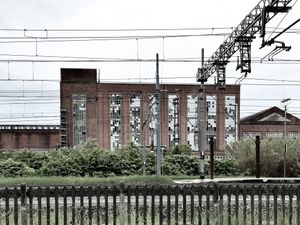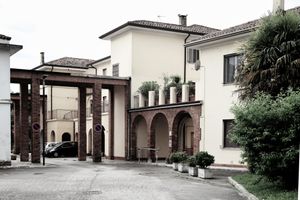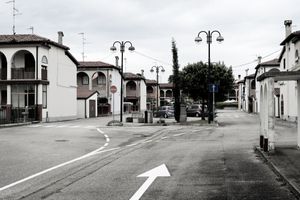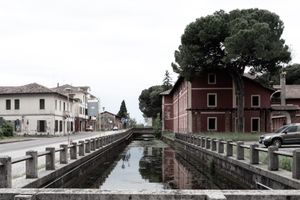

Torviscosa - a city fallen out of history
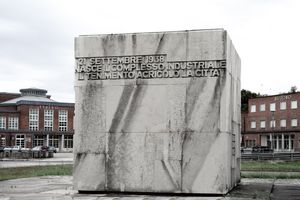
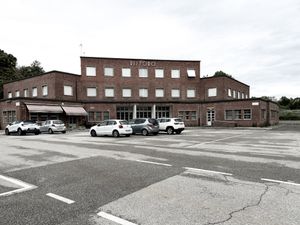
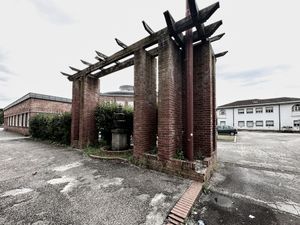
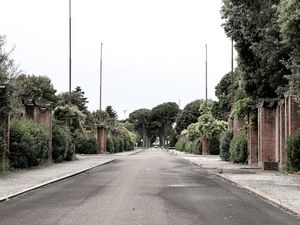
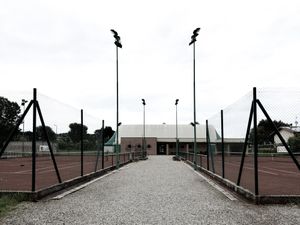
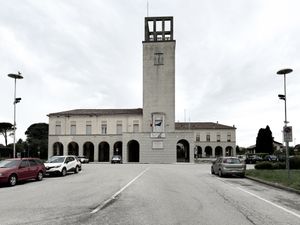
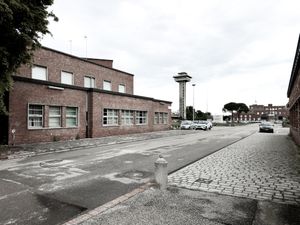
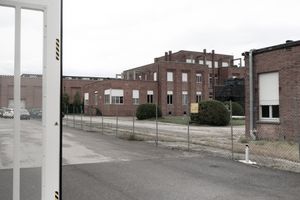
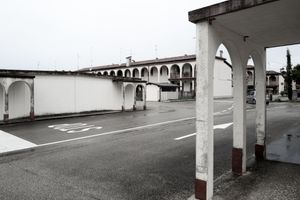
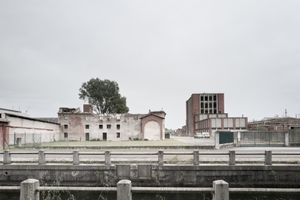
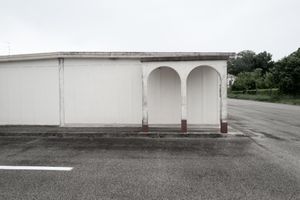
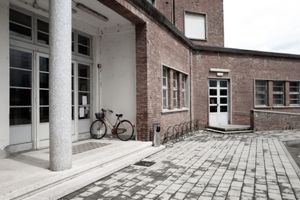
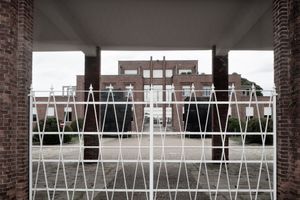
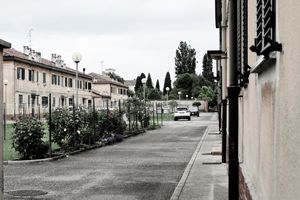
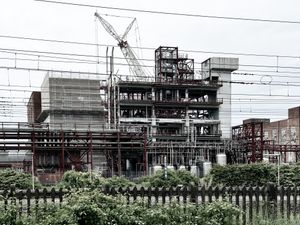
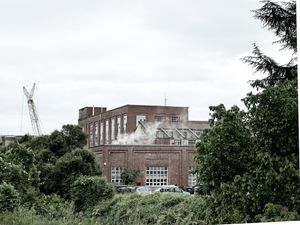
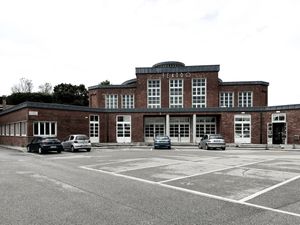
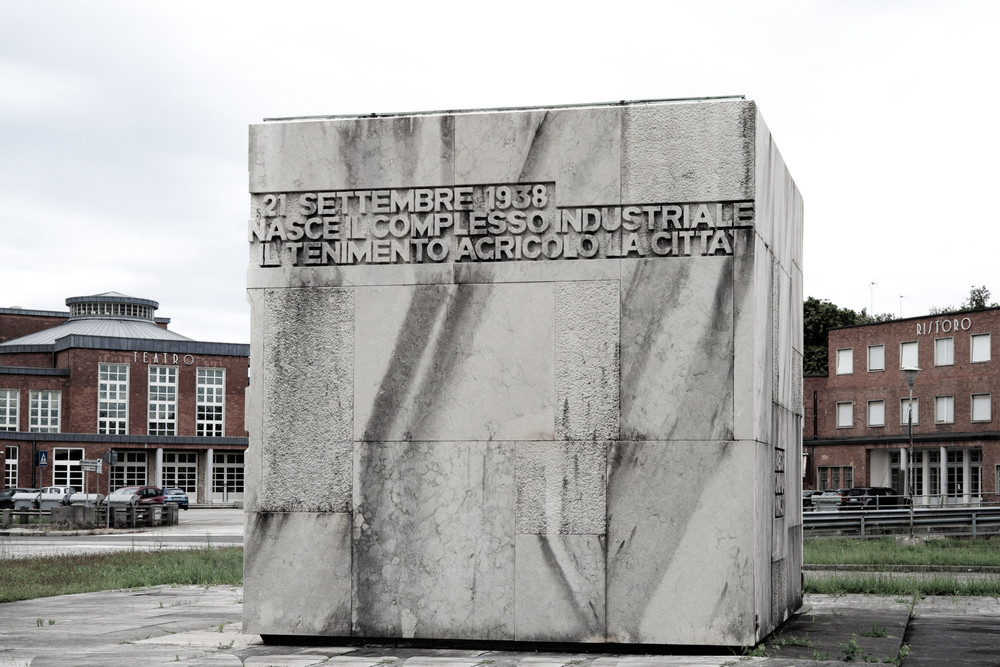
Torviscosa (Stabilimento di Torviscosa) is a factory built in 1937 during the heyday of Italian fascism with the neighboring planned city of Torviscosa in the Italian region of Friuli-Venezia Giulia.Mussolini had recognized urban development as an instrument of propaganda and power from the very beginning and used it for his political, social and economic goals. This was closely linked to the agrarian reclamation implemented by the fascist government. A typical example is the creation of the industrial city of Torviscosa. Due to the consequences of the world economic crisis of 1929, Italy decided to become less dependent on foreign raw materials. An important role in this was played by coniferous wood, which previously came from the north for the production of cellulose, necessary for the manufacture of paper and textile fibres, as well as explosives (nitrocellulose). A process was developed to replace wood with sugar cane. The Friulian Po Valley was at the time still underdeveloped and therefore ideal for the construction of a large-scale factory for its cultivation and processing. Under the fascist regime, sites for the establishment of industry had to meet three guiding principles: a high unemployment rate, an area that was not already designated for agricultural purposes, and an infrastructure that, in this case through the construction of canals, guaranteed uncomplicated transport. For these reasons, it was decided to reclaim the then still marshy area south of Udine. In 1937, the SNIA Viscosa (Society Nazionale Industria e Applicazioni viscosa), one of the most important sites for the production of Reyon textile fibre, purchased 6,000 hectares of land in the Torre di Zuino area to set up its operations there. It was a private, non-state company, whose founder and general manager was Franco Marinotti. The latter commissioned the architect Giuseppe De Min, whom he knew, for the general design of the site and the engineer Steno Mainoni d'Intignano for the calculation of the reinforced concrete load-bearing structures. Model of the Torviscosa cellulose factory with the two phases of construction: black 1938 and red 1940 Entrance area of the Torviscosa cellulose factory with the statues of Agriculture and Industry by Leone Lodi Work began so quickly that only 320 days passed between 1937 and 1938 for reclamation and construction, making the new industrial city a model for the rest of the country. It was inaugurated on 21 September 1938.
No categories selected
Photos (22)