798 Beijing's Avante Garde Arts District - 七九八北京的艺术区
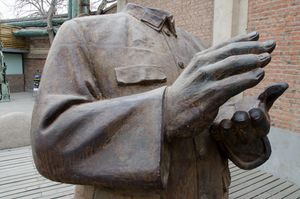
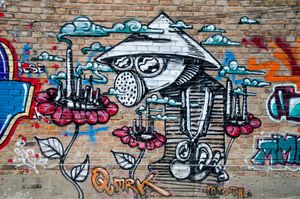
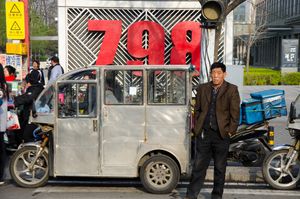
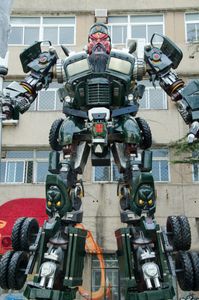
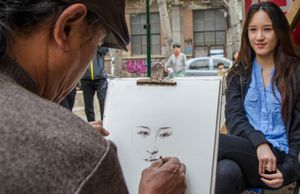
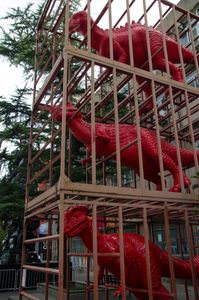
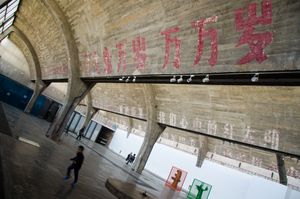
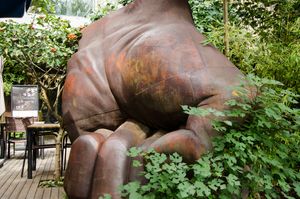
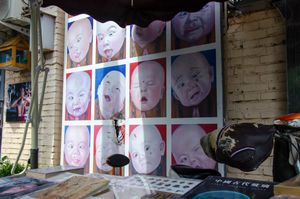
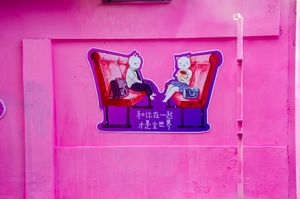
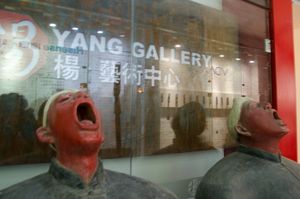
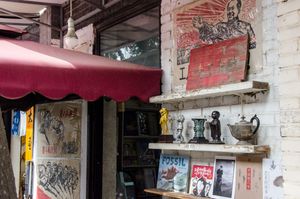
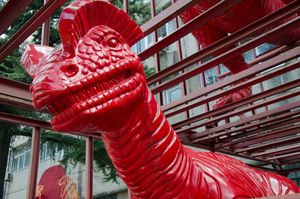
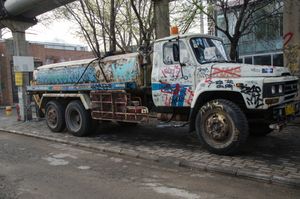
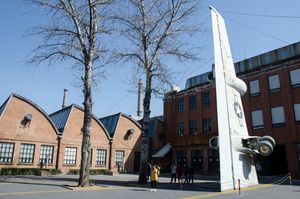
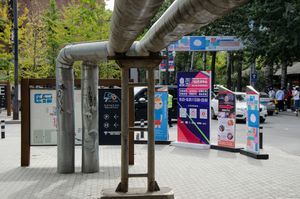
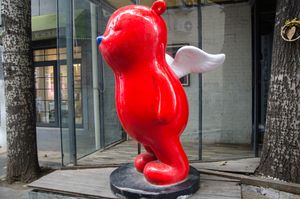
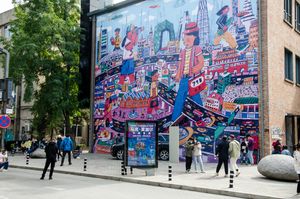
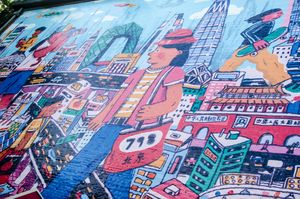
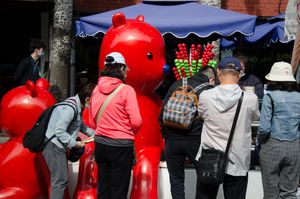
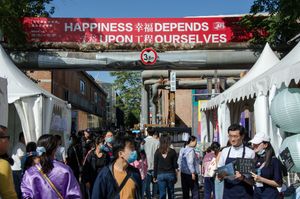
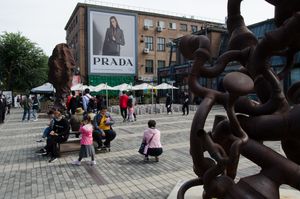
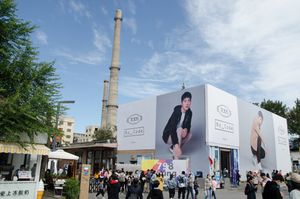
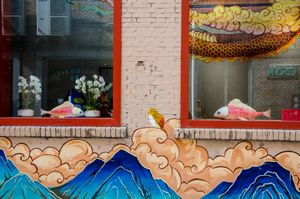
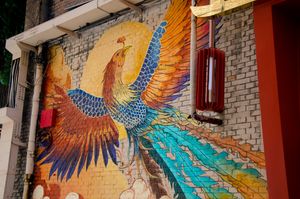
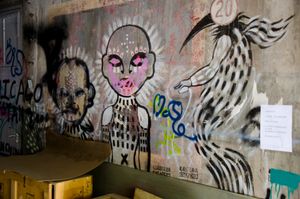
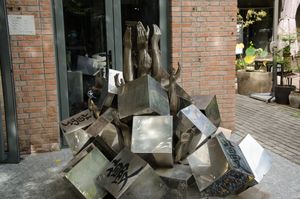
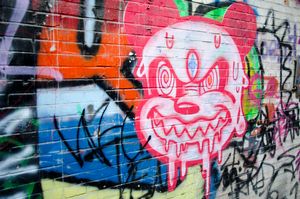
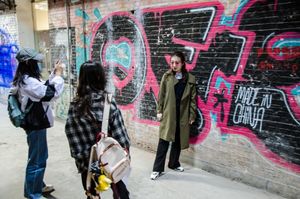
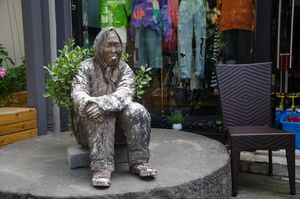
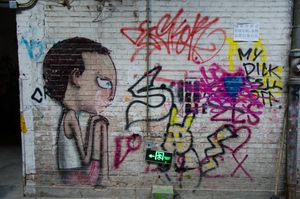
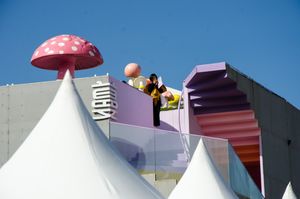
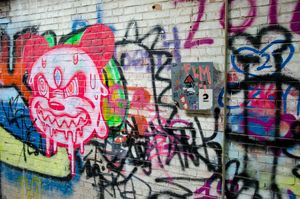
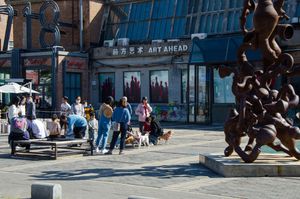
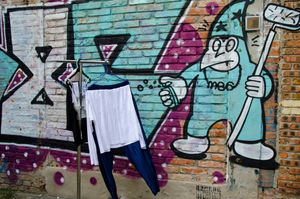
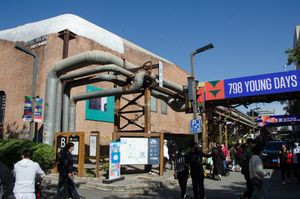
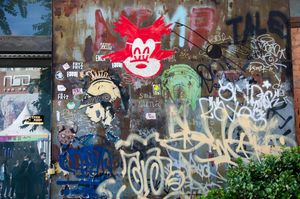
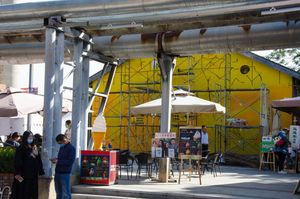
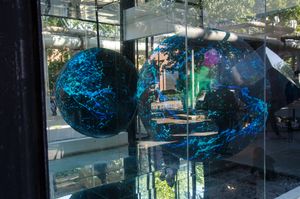
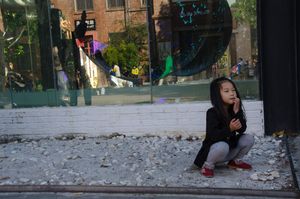
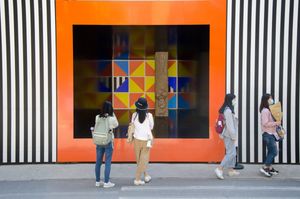
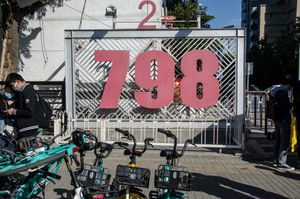
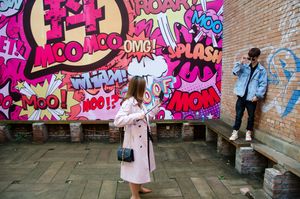
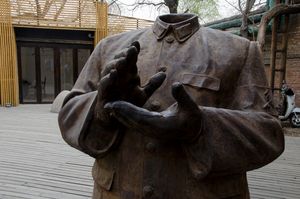
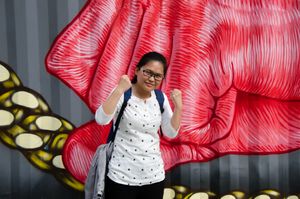
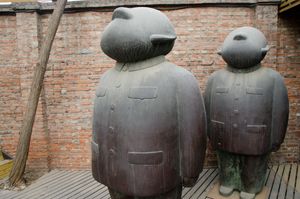
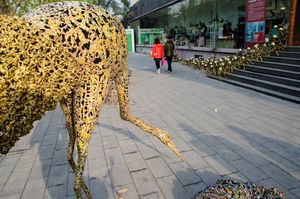
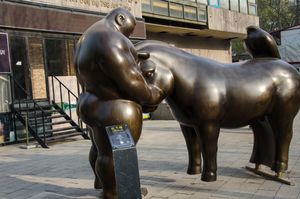
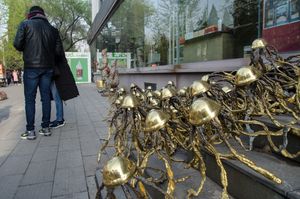
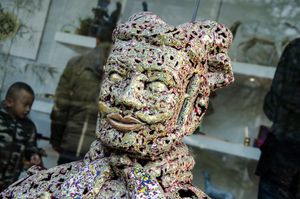
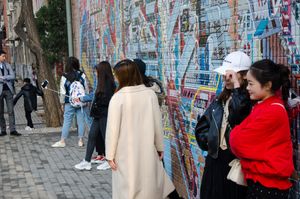
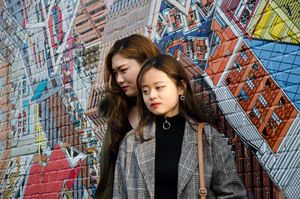
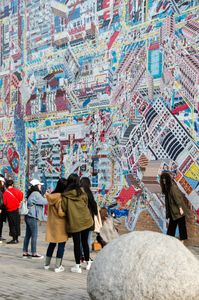
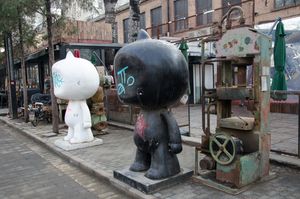
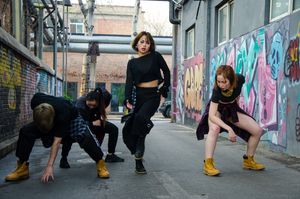
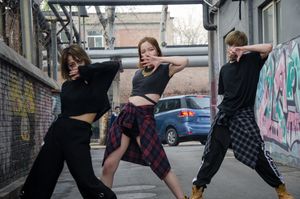
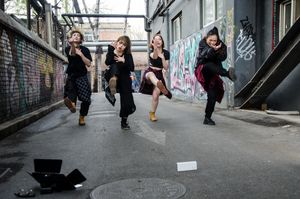
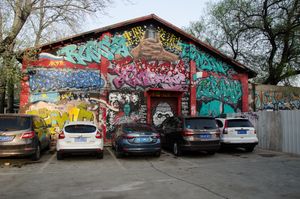
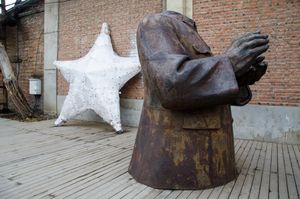
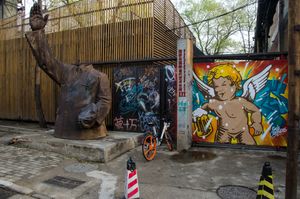
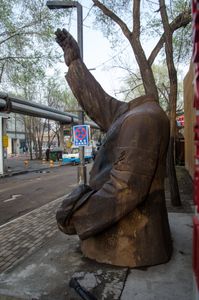
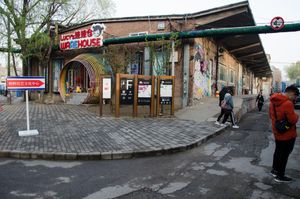
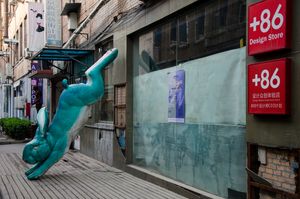
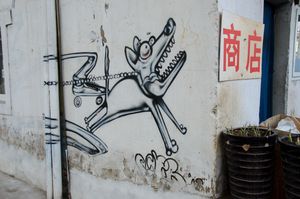
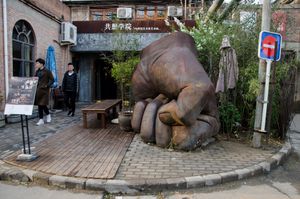
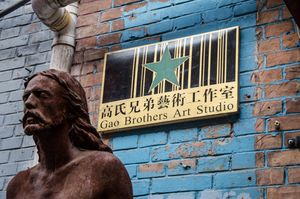
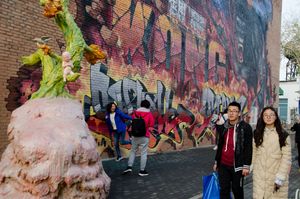
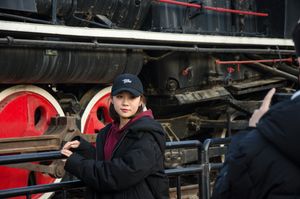
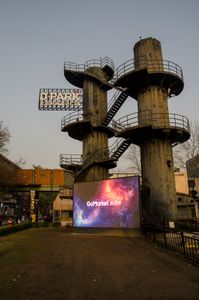
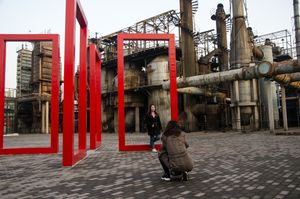
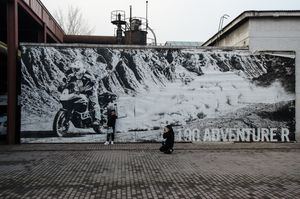
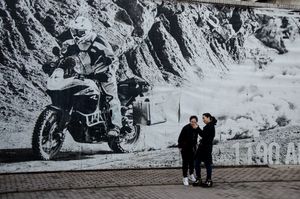
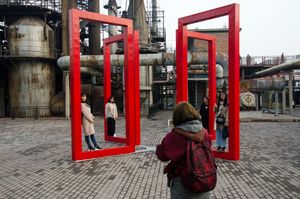
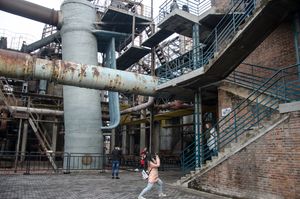
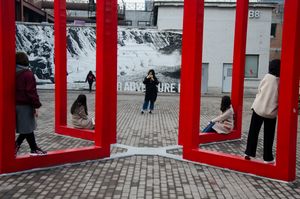
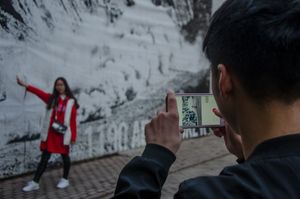
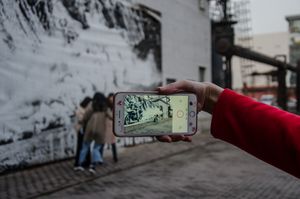
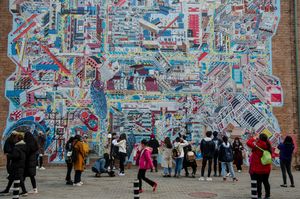
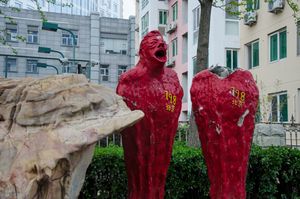
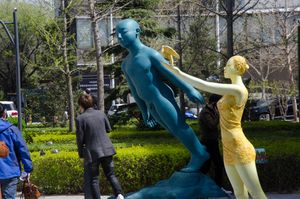
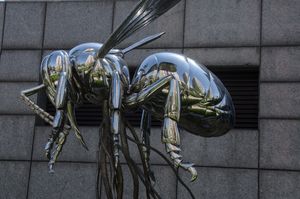
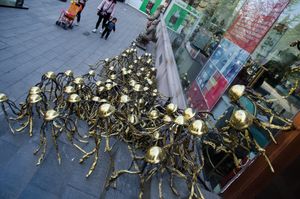
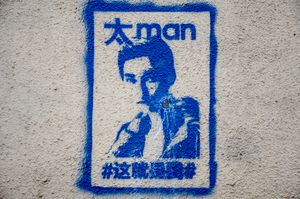
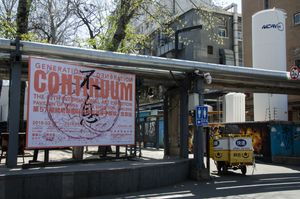
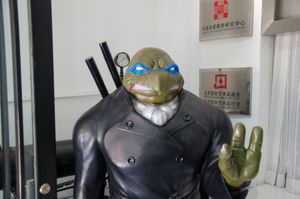
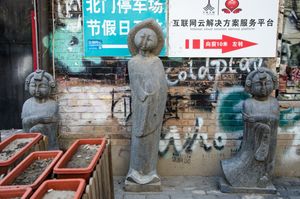
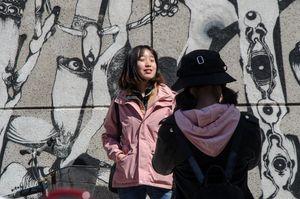
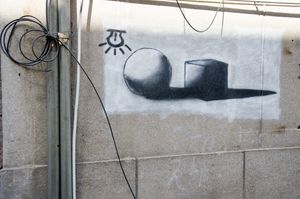
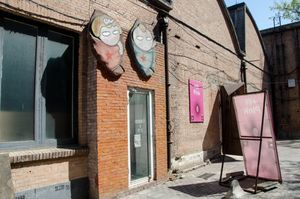
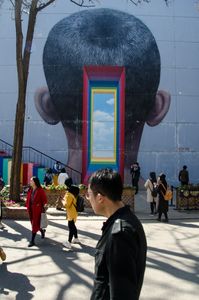
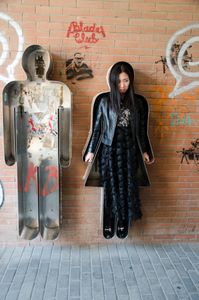
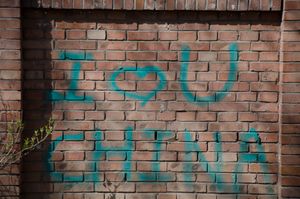
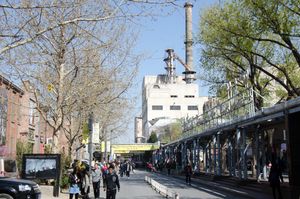
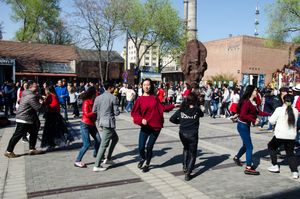
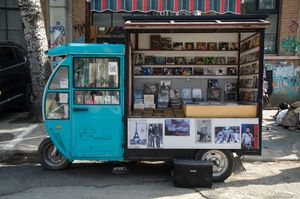
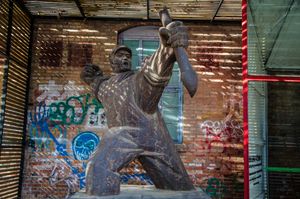
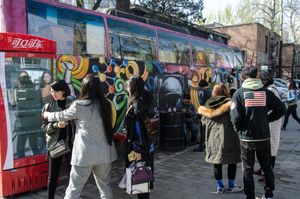
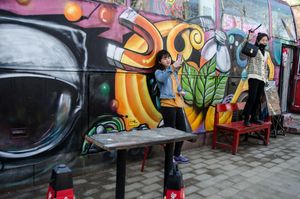
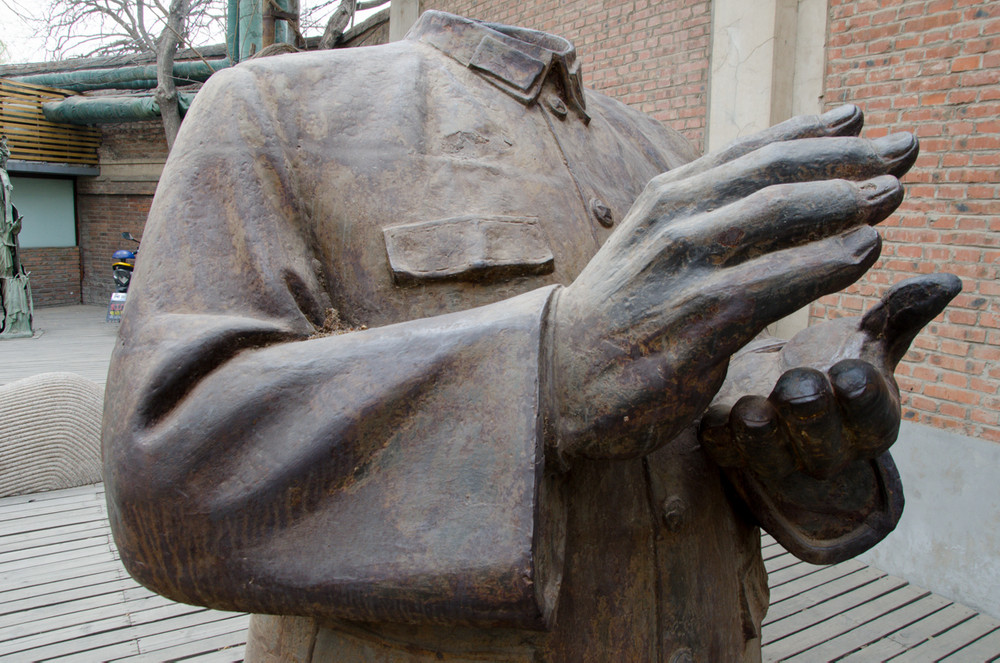
798 Art Zone(798艺术区), or Dashanzi Art District, Chaoyang District Beijing is one of the world's hottest contemporary art precincts of the 21st millennium. A sprawling, former military factory complex , in Beijing's Nth East built in the early 1950's at the time of Chairman Mao's first Five Year Plan and the initial Sino-Soviet alliance. It was one of China’s flagship projects of co operation – a glittering jewel in Mao's Communist crown and a piece of his vision of Socialist Prosperity through a push to increase Industrialisation and Urbanisation. The Soviet Union funded 156 ‘joint factory projects' however, the architectural plans for Joint Factory 718 ( which included Factory 798 ) were left to the East Germans, experts in the then much needed electronics production fromthe the Soviet-Bloc, who chose a functional , geometrically Bauhaus-influenced design over the more austere and grandiose Soviet style. Despite ruffling the Soviet's feathers as over-engineered the "new" and futuristic architectural style as a first in Asia . The site was built with huge warehouses bathed in natural light , arch-supported sections of the ceiling curving upwards then falling diagonally along the high slanted windows; a repeating pattern of distinctively curved sawtooth roofs, uniform straight lines and curves of heating ducts and steam pipes elevated over roadways , big foundaries, comfortable dormitory accommodations, sports comple, swimming pools, shops, libraries, theatres, a new railroad connection to Beijing's central train station to transport materials and machinery from the Eastern Bloc China and even a brigade of German-made BMW motorcycles . Asia had never seen structures like this before and the 20 000 workers enjoyed a comforting lift from the conditions of rural poverty. In the 1980's after Deng Xiaoping introduced the concept of the socialist market economy in 1978 and opened China's doors the 718 (798) complex faltered under the groaning weight of running State Run Military enterprises . The production lines slowed as they failed to compete with burgeoning private companies and by the early 1990's the enormous 600 hectares ( 1500 acres ) factory site was largely abandoned only to be populated in 1995 by a displaced and governmental unpopular avant garde community of artists evicted from another site on the other side of Beijing near the Old Summer Palace. The Military Industrial Complex had ceded control. The artists moved in , setup studios, working and living spaces; a new army of artists, designers and creatives mobilised, creating what's known today as the 798 Art District. That was followed in 2002 by the Beijing Tokyo Art Projects (BTAP, 北京东京艺术工程) and 798 Art Factory / Space (798艺术工厂/时态空间) setup by Huang Rui and Xu Yong were the first of many large scale transformative exhibition spaces that would catapult the China's new wave of art onto the world stage and spawn the emergence of private Contemporary Chinese Art Galleries such as The Red Gate in central Beijing. The district's popularity exploded after the opening of BTAP and 798 Space with scores of galleries, lofts, publishing firms, design companies, high-end tailor shops, and cafés . International galleries followed the 798 trajectory . Ullens Center for Contemporary Art (UCCA 尤伦斯当代艺术中心) , Pace Beijing (佩斯北京) a branch of the famous New York gallery began to bring in International shows. Gentrification followed pushing many of the working artist studios further out as rents for spaces sky rocketed . Large Arts Institutions , boutique design houses, custom bicycle shops, countries cultural ambassadors and fancy restaurants moved in and by the mid 2010's the corporations such as VW, Sony, Samsung, had begun to see the value in locating some of their innovation galleries and advertising billboards amongst the ample public art murals, graffiti, and large street sculptures. 798 Art District was founded as a paradise for artists not only because of the diverse galleries but its openness to public art and graffiti which is not tolerated elsewhere in Beijing where public art if restricted mainly to large red propaganda and political banners. Transforming this chunk of what was a usually drab post industrial area into an island of artistic freedom. Today it still remains a magnet for young inquisitive and design conscious Chinese and international tourists alike who flock to it in droves on weekends and an ever increasing roster of high profile arts and cultural events such as Beijing Design Week , that built upon the original Dashanzhi International Art Festivals and the Beijing Biennale.
No categories selected
Photos (118)